


Charles Evans Hughes and Ernest Lapointe signed in Washington, on 2 March 1923, the Convention for the Preservation of the Halibut Fishery of the Northern Pacific Ocean. The FRUS text is between the United States and His Britannic Majesty; Lapointe, Canadian Minister of Marine and Fisheries, signed without a British co-plenipotentiary. The copies are in duplicate. Wikipedia's Halibut Treaty page gives a different day in March; the published instrument is the register date.
Article I prohibits, after the exchange of ratifications, fishing for Hippoglossus in the territorial waters and on the high seas off the western coasts of the United States, including the Bering Sea, and of the Dominion of Canada, during a closed winter season. This is not an operational campaign calendar or an incidental-catch handbook.
Article III establishes the International Fisheries Commission, with four members, two from each party, to be appointed within two months of the exchange of ratifications. The Commission investigates the life history of the Pacific halibut and recommends regulations. Joint expenses are shared equally. Article II leaves prosecution to the flag state, not to the seizing party. Article IV requires domestic legislation with penalties.
Article V: five years, then until two years after notice. Ratifications are exchanged in Washington; the Convention enters into force on the day of the exchange. UKTS 1925 No. 18: the exchange took place on 21 October 1924.
Mackenzie King insisted on a Canadian signature without a British countersignature. The 1923 Imperial Conference treated the episode as a Dominion precedent, ahead of the Balfour Declaration (1926) and the Statute of Westminster (1931). FRUS keeps the Anglo-American form; the British edition titles the instrument Canada–United States.
The Ottawa conventions (9 May 1930, 29 January 1937) and that of 1953 continued the commission, renamed the International Pacific Halibut Commission, with six members. The 1979 protocol and the Northern Pacific Halibut Act (1982) clarified the regulatory role. This is not a quota or industrial-fishing handbook.
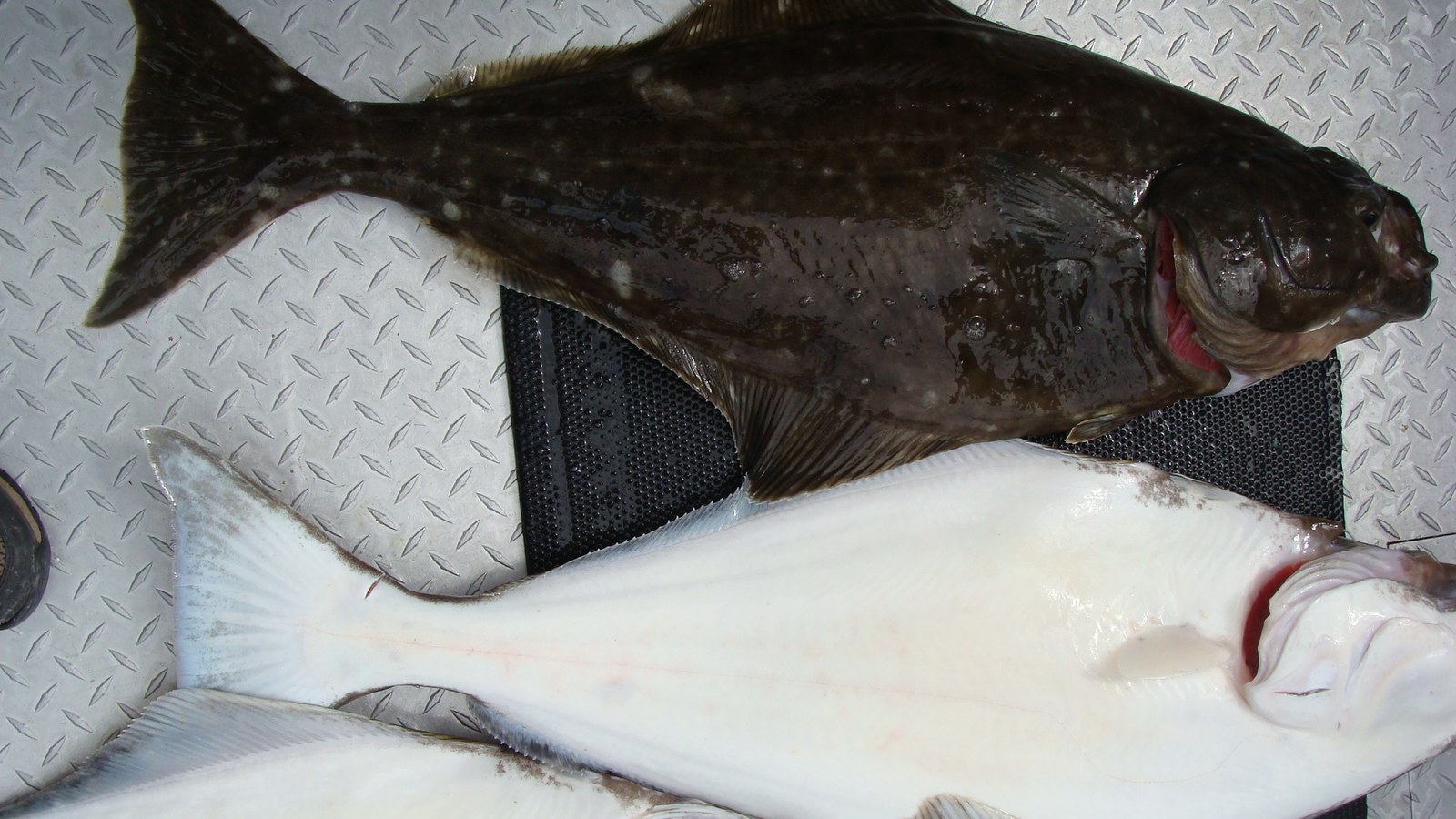
Cover: Hippoglossus stenolepis, the species the Convention addresses, not the Washington table. Wikimedia Commons, free licence.
Sources consulted: International Pacific Halibut Commission; Convention between the United States of America and Great Britain (FRUS 1923, vol. I, doc. 313).











0 Comments
No comments on this article yet. Be the first!