


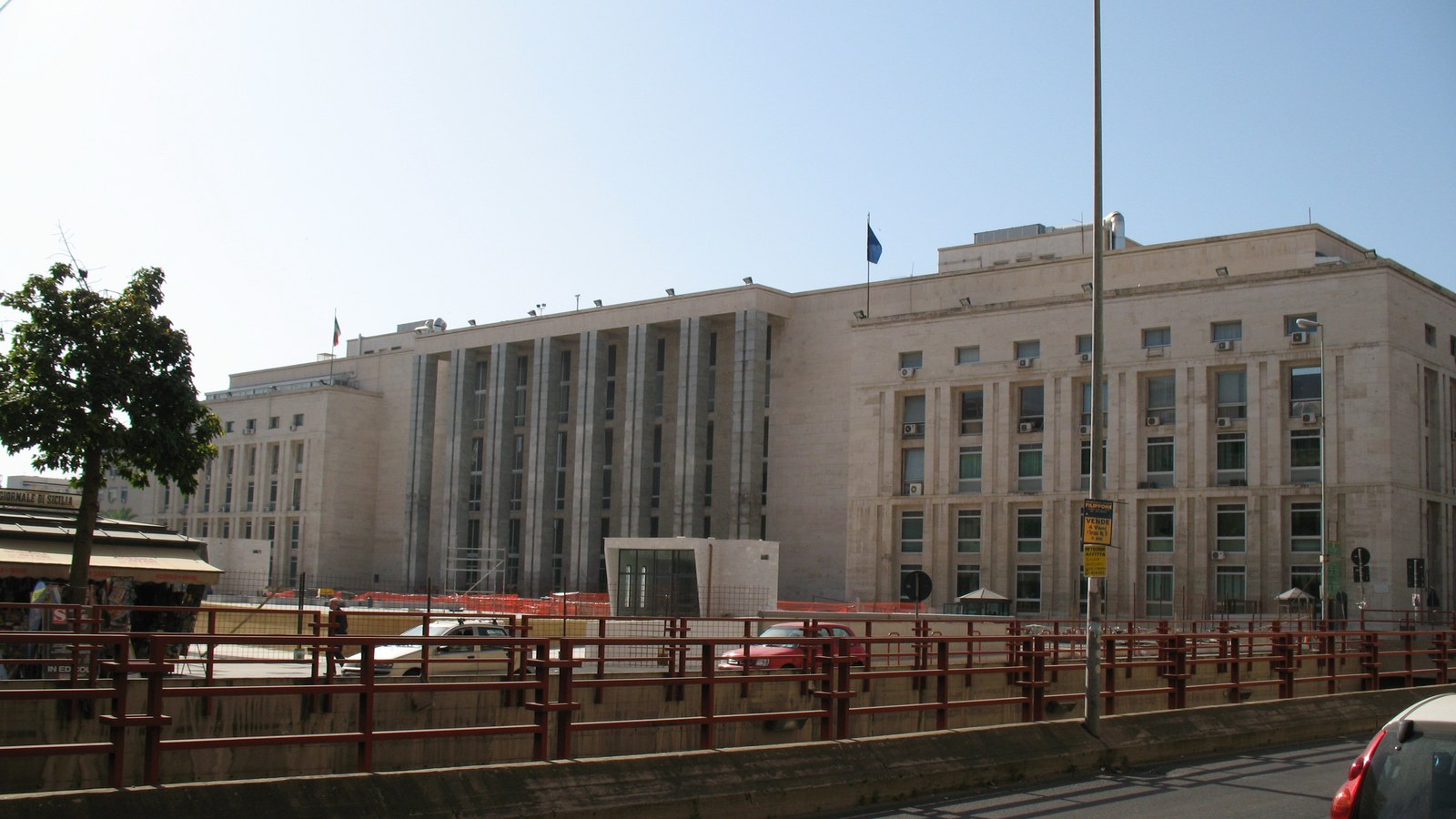
On 12 December 2000, at Palermo, the Protocol to Prevent, Suppress and Punish Trafficking in Persons, Especially Women and Children, supplementing the United Nations Convention against Transnational Organized Crime, was opened for signature. It had been adopted by the General Assembly in resolution 55/25, at New York, on 15 November 2000. Article 16(1): open to all States for signature from 12 to 15 December 2000 at the Palazzi di Giustizia in Palermo, and thereafter at United Nations Headquarters in New York until 12 December 2002. Six authentic texts: Arabic, Chinese, English, French, Russian and Spanish (Article 20). Depositary: the Secretary-General. Registration: UNTS I-39574, volume 2237.
Article 1: this Protocol supplements the Convention; it shall be interpreted together with it; the provisions of the Convention apply mutatis mutandis unless otherwise provided; the offences established in accordance with Article 5 shall be regarded as offences established in accordance with the Convention. Article 2: the purposes are to prevent and combat trafficking in persons, paying particular attention to women and children; to protect and assist the victims, with full respect for their human rights; and to promote cooperation among States Parties. This is not an operational manual; it is an instrument of international criminal law.
Article 3 defines, as a matter of law, “trafficking in persons”: an act (recruitment, transportation, transfer, harbouring or receipt of persons), means (threat or use of force or other forms of coercion, abduction, fraud, deception, abuse of power or of a position of vulnerability, or the giving or receiving of payments or benefits) and the purpose of exploitation. Exploitation shall include, at a minimum, the exploitation of the prostitution of others or other forms of sexual exploitation, forced labour or services, slavery or practices similar to slavery, servitude or the removal of organs. Article 3(b): the consent of a victim to the intended exploitation is irrelevant where any of those means have been used. Article 3(c)–(d): the recruitment, transportation, transfer, harbouring or receipt of a child for the purpose of exploitation shall be considered trafficking even if it does not involve those means; “child” means any person under eighteen years of age — a legal category, not a catalogue of acts.
Article 4: this Protocol applies to the prevention, investigation and prosecution of the offences established in accordance with Article 5, where those offences are transnational in nature and involve an organized criminal group, as well as to the protection of victims of such offences. Article 5: each State Party shall adopt such legislative and other measures as may be necessary to establish as criminal offences the conduct set forth in Article 3, when committed intentionally, and also, subject to the basic concepts of its legal system, attempting, participating as an accomplice, and organizing or directing other persons to commit such an offence. Article 6: protection of the privacy and identity of victims, to the extent possible under domestic law; physical, psychological and social recovery; physical safety while they are within its territory; the possibility of obtaining compensation. In applying this article, each State Party shall take into account age, gender and special needs, including those of children, as a protection obligation.
Article 17(1): this Protocol shall enter into force on the ninetieth day after the date of deposit of the fortieth instrument of ratification, acceptance, approval or accession, except that it shall not enter into force before the Convention. Entry into force: 25 December 2003. Article 17(2): for each Party thereafter, on the thirtieth day after deposit of its own instrument, or on the date in point 1, whichever is the later. The other two Palermo protocols are separate instruments.
The Palazzo di Giustizia, Palermo, the place of the opening for signature, not the signing room. Wikimedia Commons, free licence.
For context: Protocol to Prevent, Suppress and Punish Trafficking in Persons, Especially Women and Children. The text: UNODC, United Nations Convention against Transnational Organized Crime and the Protocols thereto.











0 Comments
No comments on this article yet. Be the first!