


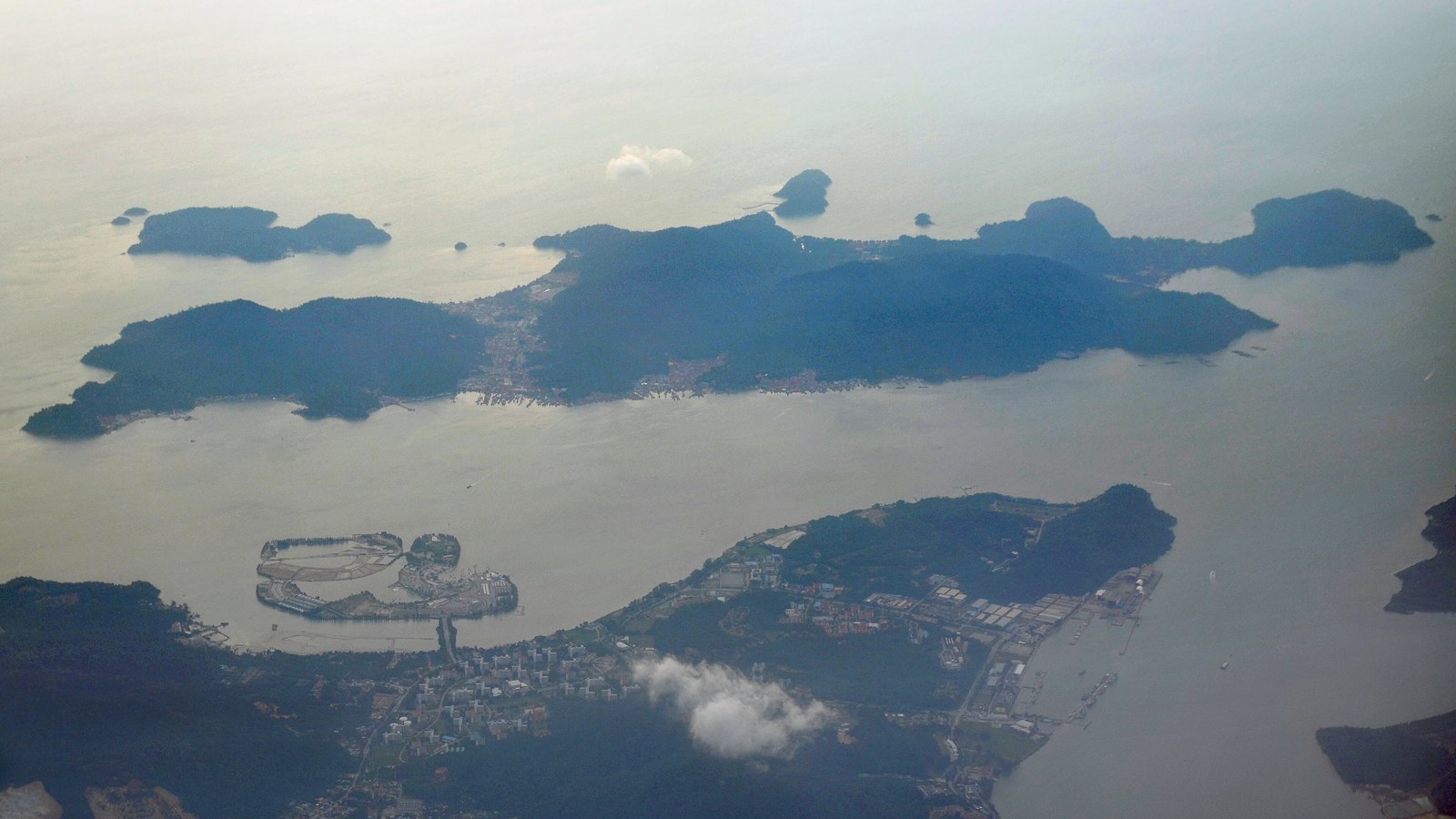
On 20 January 1874, at Pulo Pangkor, in the British possessions, the Pangkor Engagement is concluded. The signature: Andrew Clarke, Governor of the Straits Settlements, Commander-in-Chief and Vice-Admiral, on the colonial steamer Pluto, off the island. The articles, read and explained, bind the signatories, their heirs and successors. Chops: the Sultan of Perak, the Bendahara, the Temenggong, the Mantri, the Shahbandar, the Raja Mahkota, the Laxamana, Dato’ Sagor. Ismail, the acting sultan, is not there. The third claimant, Raja Yusuf, is not invited.
The preamble: anarchy in Perak, no settled government, tin mines of British subjects unprotected, piracy, murder and arson. British trade suffers; the peace of the neighbouring Settlements is menaced. Certain chiefs have asked for assistance. Her Majesty’s Government holds itself bound by treaty to protect the kingdom. Clarke proposes articles “mutually beneficial” to the independent rulers of Perak, their subjects and the Queen’s.
Article I: Raja Muda Abdullah is recognised as Sultan. Article II: Raja Bendahara Ismail, now acting sultan, keeps the title of Sultan Muda, with a pension and a small territory. Article III: the other nominations of great officers made when Ismail received the regalia are confirmed. Article IV: the power given by the late sultan to the Mantri Ngah Ibrahim over Larut is confirmed. Article V: revenues are collected and appointments made in the name of the Sultan.
Article VI: the Sultan receives and houses a British officer, called Resident, accredited to his court, whose advice must be asked and acted upon on all questions other than those touching Malay religion and custom. Article VII: the Governor of Larut has an Assistant Resident, subordinate only to the Resident of Perak, with similar powers. Speedy will be the man at Larut. Article VIII: the Residents’ cost is a first charge on Perak’s revenues, as set by the Straits Settlements. Article IX: a civil list is the next charge. Article X: collection of revenues and the general administration are regulated under the Residents’ advice.
Article XI: the cession of Pulo Dinding and the Pangkor islands, having been misunderstood, is rectified from the Malacca Strait chart, from Bukit Sigari to Pulo Katta. Article XII: the southern watershed of the Krian River becomes British territory, a rectification of Province Wellesley’s southern boundary. Article XIII: once the disturbances cease, British officers restore occupation of the mines and pay compensation; their decision is final. Article XIV: the Mantri of Larut acknowledges as a debt the costs of the inquiry and of the British effort to secure the tranquillity of Perak.
That same morning Clarke signs with the Ghee Hin and Hai San headmen a $50,000 bond to keep the peace: disarmament, destruction of stockades, return to the mines. Chung Keng Quee and Chin Ah Yam receive the title of Kapitan Cina. Larut will be named Taiping. Ismail keeps the regalia and does not recognise the text. James W. W. Birch, the first Resident, is killed in 1875. The Resident model passes to Selangor, Sungai Ujong, then Pahang; in 1895, the Federated Malay States.
Image: Cmglee, Pangkor Island and Lumut from the east, 2019, CC BY-SA 4.0, Wikimedia Commons. Cropped to 16:9.
Source consulted: Pangkor Treaty of 1874. Treaty text: Pangkor Treaty, 20 January 1874 (NUS / Allen, Stockwell & Wright).











0 Comments
No comments on this article yet. Be the first!