


After Bosworth, Henry VII remained indebted to Brittany, which had sheltered him in exile, and to France, which had financed his landing. The Treaty of Redon, on 10 February 1489, sent 6,000 English under Lord Daubeney, at Breton expense, to stop the duchy being annexed. At Saint-Aubin-du-Cormier in 1488 the Bretons had already been beaten. Francis II died; his daughter Anne became duchess at twelve. In December 1491 her marriage to Charles VIII closed any pretence of Breton independence. The Treaty of Medina del Campo, also of 1489, bound England to Spain.
Charles harboured the Yorkist pretender Perkin Warbeck. In reply an English army of 26,000 landed at Calais in October and besieged Boulogne. The Peace of Étaples was signed on 3 November 1492 at the castle of Étaples. For France the negotiator was Philippe de Crèvecœur d’Esquerdes. Charles VIII undertook to expel Warbeck and to pay an indemnity of £159,000. Henry recognised French rights to the Duchy of Brittany. Ratification followed in December.
The French treasury also took over Brittany’s debts to England: 620,000 gold crowns, plus an indemnity of 125,000 crowns, to be paid in instalments of 50,000 a year — a rise of at least 50 percent in Henry’s revenues. Abandoning the Bretons reversed Redon, but the duchy had already recognised French suzerainty through the 1491 marriage. Henry presented the accord as a show of strength: a short late-season raid forced Charles to sue for peace, as after Picquigny in 1475.
For the Valois the gain was strategic. Freed of the English threat, Charles — great-grandson of Yolande of Anjou — could pursue the Angevin claim to the Kingdom of Naples. Warbeck, turned out of France, remained an enemy, but without a base on the Seine. The reversal of Redon marked the shift from the Plantagenet policy of holding lands on the Continent to a more defensive, Channel-centred line.
In July 1498 Louis XII renewed the treaty before the invasion of Italy in 1499 and kept up the annual payment. Henry VIII’s councillors renewed it in 1510. The Anglo-French peace opened at Étaples lasted, with these renewals, until 1513.
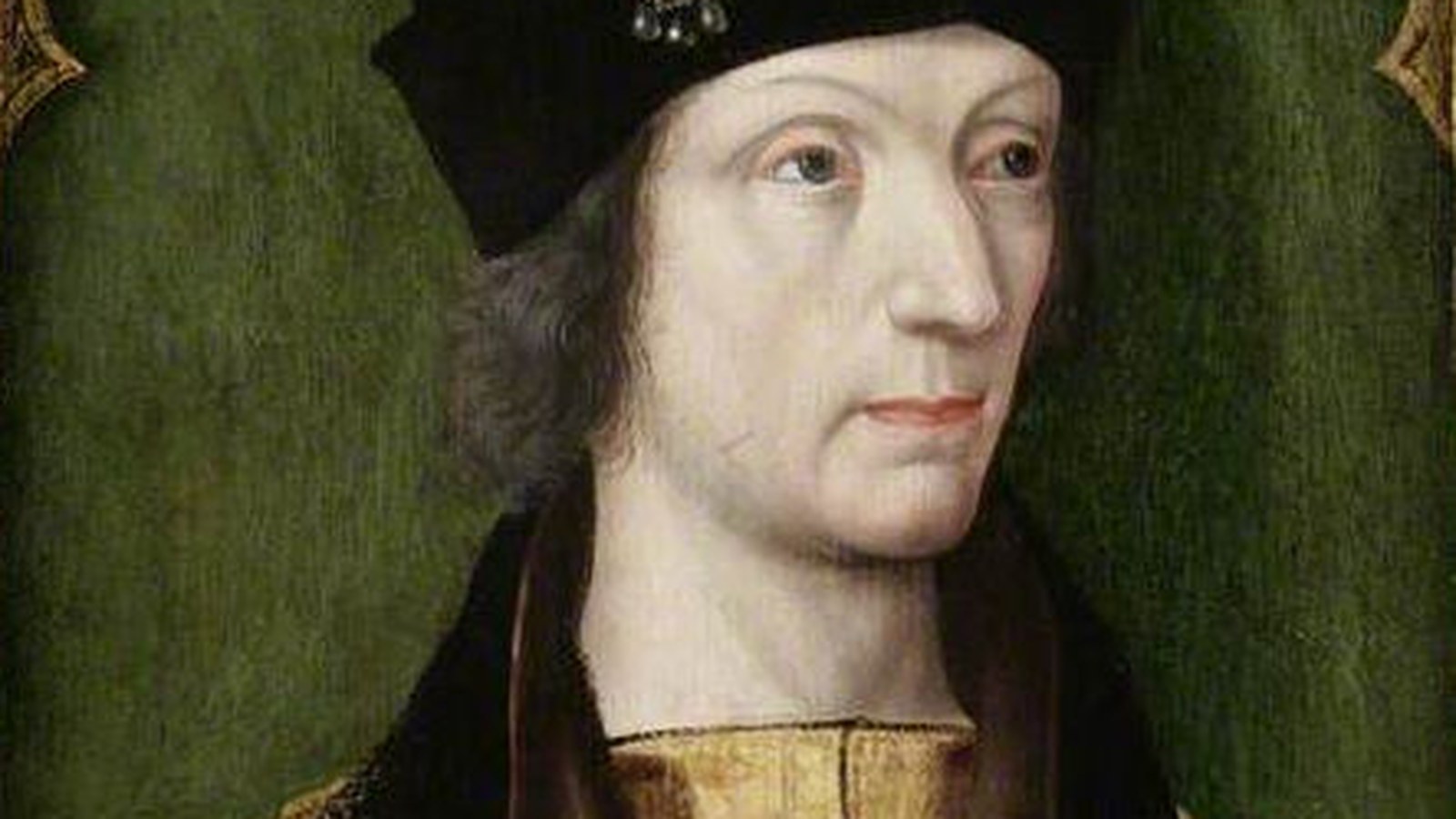
The castle of Étaples, on the Canche estuary, was where the two crowns closed the Breton episode. The portrait of Henry attributed to Meynnart Wewyck keeps the face of the king who traded a ducal alliance for a French rent and the expulsion of the pretender.
Sources: Peace of Étaples; Wikipédia, Traité d'Étaples.











0 Comments
No comments on this article yet. Be the first!