


On 17 December 1994, at Ouro Preto, in Minas Gerais, Argentina, Brazil, Paraguay and Uruguay signed the Additional Protocol to the Treaty of Asunción on the Institutional Structure of MERCOSUR, called the Protocol of Ouro Preto (Article 52). One original, equally authentic Portuguese and Spanish texts. Depositary: the Government of Paraguay, which sends authenticated copies to the other parties. Signatories: Carlos Menem and Guido Di Tella; Itamar Franco and Celso Amorim; Juan Carlos Wasmosy and Luis Ramírez Boettner; Luis Alberto Lacalle Herrera and Sergio Abreu. Registration: UNTS 37341, volume 2145.
The Protocol fulfils Article 18 of the Treaty of Asunción of 26 March 1991, after the transition period. The preamble notes the introduction of the customs union as a stage towards the common market and the need to adapt the institutional structure. It does not proclaim a currency or a single parliament; it is an institutional protocol. Article 1: the Council of the Common Market, the Common Market Group, the Trade Commission, the Joint Parliamentary Commission, the Economic-Social Consultative Forum and the Administrative Secretariat, with auxiliary organs possible. Article 2: the Council, the Group and the Trade Commission are inter-governmental organs with decision-making powers.
Article 3: the Council is the highest organ, with political leadership of the integration process. Article 4: the Ministers for Foreign Affairs and of the Economy. Article 5: the Presidency rotates every six months, in alphabetical order. Article 6: at least once every six months, with the Presidents of the States Parties. Article 9: the Council’s rulings take the form of Decisions binding on the States Parties. Article 10: the Group is the executive organ. Articles 16–20: the Trade Commission monitors the common trade-policy instruments and the common external tariff; Directives are binding.
Article 34: MERCOSUR possesses legal personality of international law. Article 35: it may sign contracts, acquire property, appear in court and hold funds. Article 37: decisions are taken by consensus and in the presence of all the States Parties. Article 40: simultaneous entry into force after domestic incorporation, thirty days after the Secretariat’s communication. Article 41: the legal sources — the Treaty of Asunción and its protocols, agreements concluded within its framework, and the Decisions, Resolutions and Directives. Article 42: acts of the organs in Article 2 are binding and, when necessary, must be incorporated in domestic legal systems.
Article 31: the Administrative Secretariat is headquartered in Montevideo. Article 43: disputes follow the Brasília Protocol of 17 December 1991. Article 46: the official languages are Spanish and Portuguese. Article 48: unlimited duration; it enters into force thirty days after deposit of the third instrument of ratification. Entry into force: 15 December 1995 (Paraguay, Argentina, Uruguay; Brazil on 16 February 1996). Article 50: accession and denunciation follow the Treaty of Asunción; accession to one implies ipso jure accession to the other. Article 53: provisions of 1991 that conflict with this Protocol or with Council Decisions of the transition period are repealed.
The 2002 Olivos Protocol on dispute settlement is a later, separate instrument. Accessions after 1994 are not in the list of the four signatories at Ouro Preto.
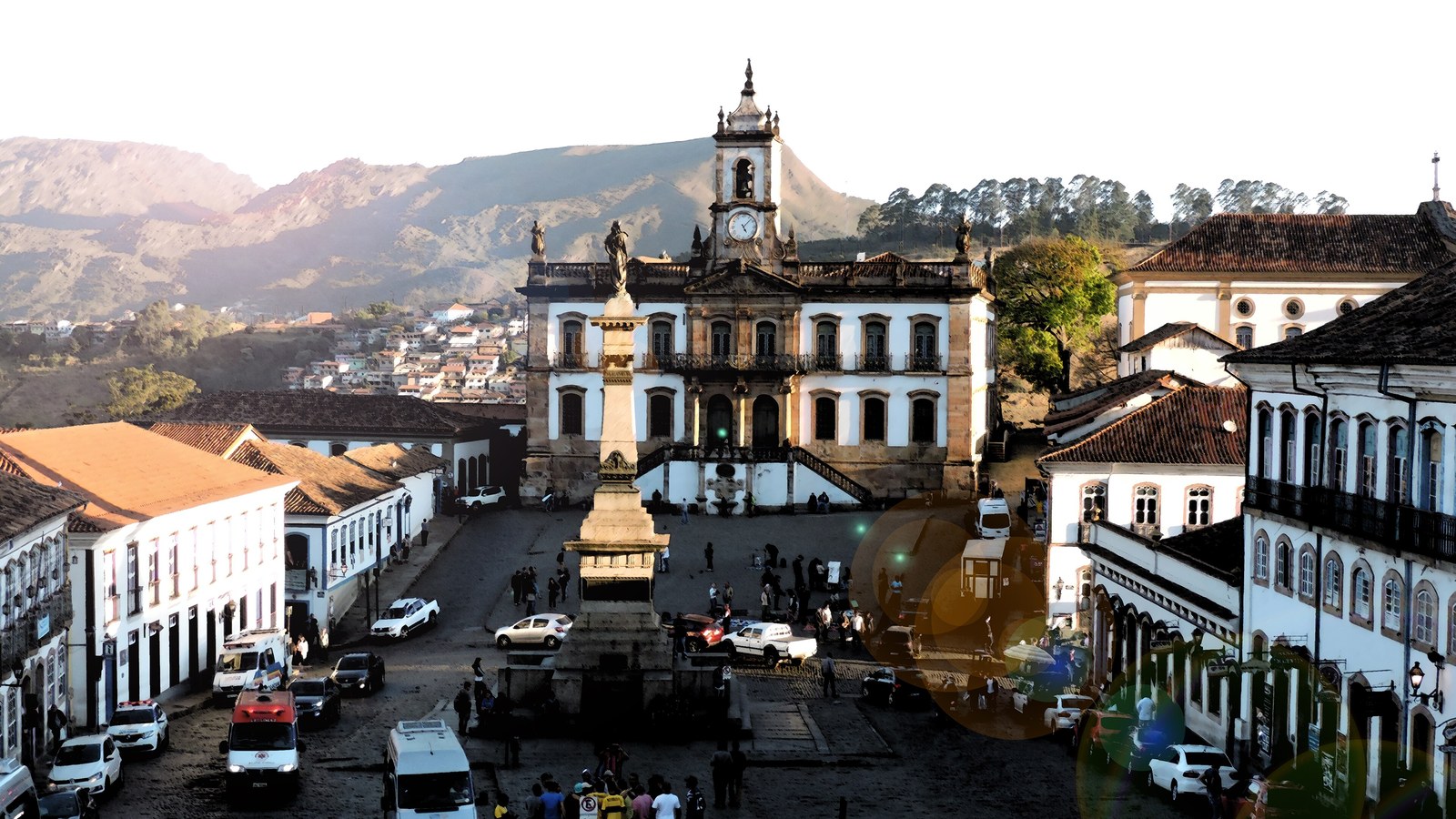
Praça Tiradentes, Ouro Preto, the city of signature, not the signing room. Wikimedia Commons, free licence.
For context: Protocol of Ouro Preto. The text: Protocol of Ouro Preto (WTO).











0 Comments
No comments on this article yet. Be the first!