


Robert Harris did not come to CBC to give a Latin class. He came with Agrippa. The novel is a fictional memoir of Marcus Vipsanius Agrippa, Augustus’s right hand, from civil war to Actium and to one man at the top. On Q, with Tom Power, on 15 October, he said what he takes from Rome for democracies now: it is not a given. It can be lost. Once laws are broken, they are often never observed again. That is the warning. It is not a calendar prophecy.
The Guardian, in August, read the same book without Power’s microphone. Sam Leith: blood, betrayal, a scramble for power, from Caesar’s assassination to Octavius’s apotheosis. Agrippa’s voice, engineer and soldier, deliberately plain. Harris has already written Cicero, Pompeii. The Spectator: loyal, perpetual second, with degrees of fondness, resentment, resignation, pride. Research, sometimes too many aqueducts. That is the novel. The interview is another layer: Harris draws an explicit line between Augustus’s Rome and Trump’s America.
“Nixon is a pillar of probity compared to a president who's said to have made over $2 billion while in office.” The sentence is Harris’s, on Q. It is a novelist’s comparison, not a court tally. Anyone who takes it as a verdict skips “said to have”. Anyone who ignores it skips his core: rules, once broken, rarely come back. Conclave made him visible at the Vatican; Agrippa takes him back to a republic emptying out. It is not the same plot. It is the same obsession: how a room of deliberation closes.
He did not plan to be a novelist. Journalism, Selling Hitler, then Fatherland. Seventeen novels, tens of millions of copies, in the show notes. In the morning, about 800 words, seven days a week, a book in about six months. Agrippa, a “perfect” subject: well-documented deeds, no surviving words of his own. The Battle of Actium, researched. History, he said, is the nearest thing to religious faith he has: what people did and how they got through it.
The parallels do not stand in for archaeology. Harris does not say Washington is the Forum. He says a republic has died once already, through loyal men, seconds and a friend who became Augustus. Anyone who wants a campaign editorial from that loses the novel. Anyone who wants only costumes loses the interview.
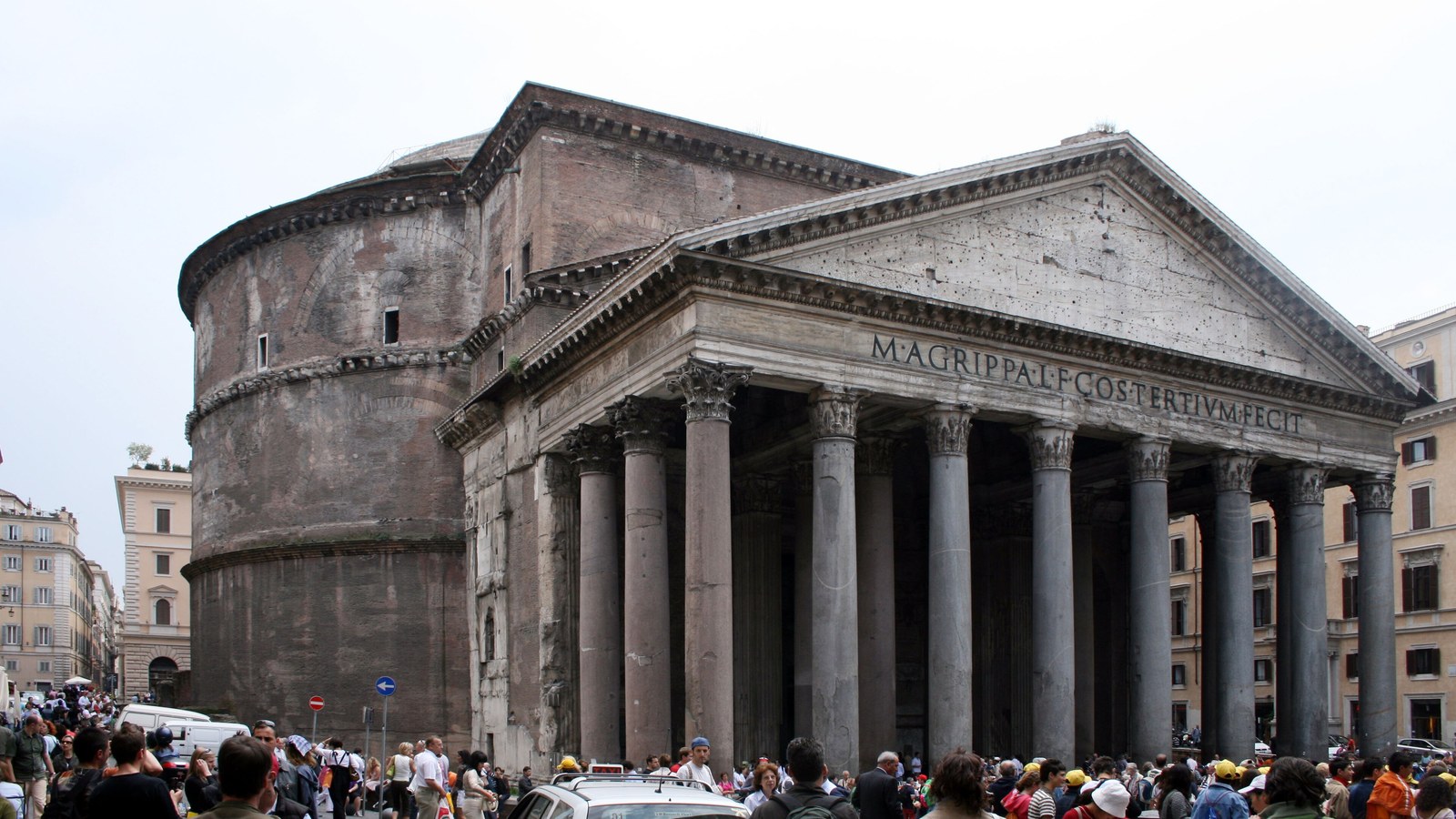
By the last page, Agrippa wonders, in the reviews, whether he was a tool. Harris, on Q, asks whether democracy is a given. Between the two questions stands a temple that still bears Agrippa’s name, rebuilt by Hadrian. The inscription remains. The republic does not.
Image: Remi Jouan, the Pantheon in Rome, April 2007, CC BY-SA 3.0, Wikimedia Commons. Agrippa’s inscription sits on a temple rebuilt by Hadrian. The photograph is of the building, not an interview set.
Sources consulted: Conclave author Robert Harris says ancient Rome holds a warning for modern democracy — CBC Arts; Agrippa by Robert Harris review — The Guardian.











0 Comments
No comments on this article yet. Be the first!