


Romania has a draft National Action Plan against unmanned systems, out of a four-day workshop in Parliament, 13–16 October 2026. It is not a statute. It is not a cabinet-approved plan. It is a working draft, according to the US Embassy in Bucharest and Ziua de Constanța. People from security, defence, intelligence, transport and energy took part. The American co-organiser was the Office of Weapons of Mass Destruction Preparedness and Response, in the State Department’s Bureau of Arms Control and Nonproliferation.
Ambassador Darryl Nirenberg closed the workshop on 16 October. “Romania does not need anyone to explain the drone threat. Because you live with it.” He spoke of the war in Ukraine and of drones that have entered Romanian airspace. Risks, in his reading: airports, energy sites, ports, stadiums, offshore platforms. The answer is not only military. It takes in public order, regulators, infrastructure operators, prosecutors. “One ministry cannot do this alone.”
The four days ran through legislation, procedures, training, procurement, information sharing. The plan is meant to say who steps in, how institutions work together, who owns what. Nirenberg asked for deadlines, names next to actions, exercises and coordination with neighbours. Digi24 quotes the embassy: detect, track and counter air, surface and underwater unmanned systems. The diplomat tied it to NATO’s eastern flank, not a new treaty.
Senator Silviu-Iulian Coșa, chair of the Senate defence committee, said drones have changed the security environment on the flank and that Romania needs a coherent national approach. The committee, he said, is ready to work from the recommendations, including legislative changes if they come. That is parliamentary intent, not a bill filed.
CaleaEuropeană has Nirenberg on the Strategic Partnership: “We stand with Romania as Romania has stood with us.” A 2025 parliamentary law, in his telling, made such a response possible. Implementation, he said, starts when you leave the room. The draft stays a draft until institutions, and if need be Parliament, own it.
Constanța has a direct stake — the port, Kogălniceanu, Cernavodă — but the plan is national, not a local shield. Who detects, who fires, who investigates: that is the gap the draft is meant to fill.
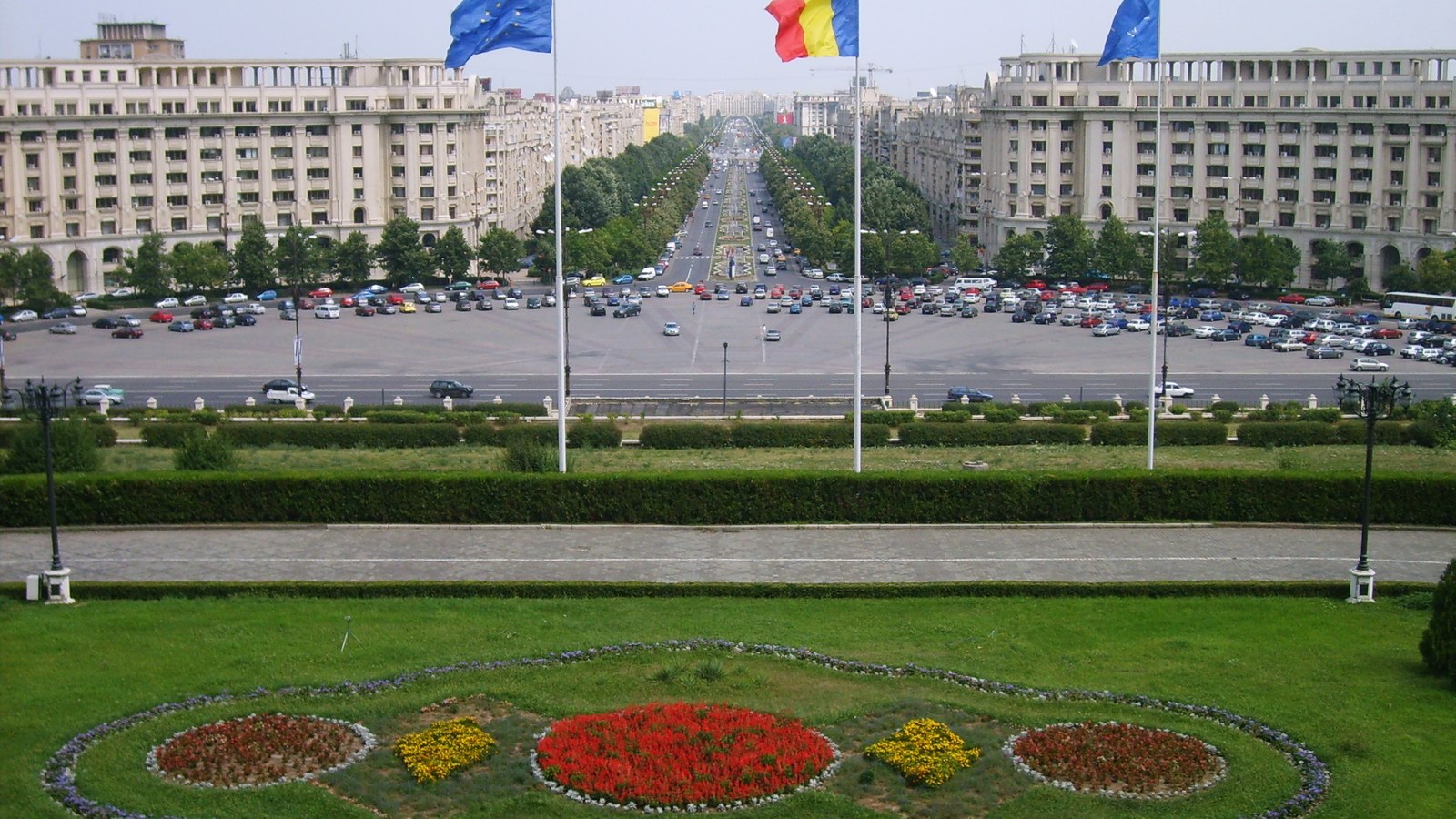
Image: Alessio Damato, Palace of the Parliament, Bucharest, August 2006, CC BY-SA 3.0, Wikimedia Commons. The façade, not the C-UAS workshop room.
Sources consulted: România pregătește un Plan Național de Acțiune împotriva dronelor — Ziua de Constanța; SUA și România au organizat un workshop privind combaterea dronelor aeriene — Digi24.











0 Comments
No comments on this article yet. Be the first!