



The Shahinshah of Iran, the King of Afghanistan, the King of Iraq and the President of the Turkish Republic wanted further guarantees of peace in the Near East, within the Covenant of the League of Nations and the Kellogg-Briand Pact of 27 August 1928. The treaty of non-aggression was signed at the Palace of Saad-Abad in Teheran on 8 July 1937. Official text: French, in quadruplicate. Plenipotentiaries, after exchange of full powers: Enayatollah Samiy, minister for foreign affairs of Iran; Faiz Mohammad Khan, of Afghanistan; Dr Nadji-al-Asil, of Iraq; Dr Tevfik Rüstü Aras, of Turkey. Atatürk, Reza Shah, Zahir Shah and Hikmat Sulayman did not sign, though they appointed the ministers.
Article 1: complete abstention from interference in internal affairs. Article 2: inviolability of common frontiers. Article 3: consultation on international disputes affecting common interests. Article 4: no aggression, singly or jointly with one or more third Powers. Acts of aggression: declaration of war; invasion by armed forces, with or without a declaration; attack by land, naval or air forces on territory, vessels or aircraft; directly or indirectly aiding an aggressor. Not aggression: legitimate self-defence; action under Article 16 of the Covenant; action pursuant to a decision of the Assembly or Council, or under Article 15, paragraph 7, directed against the State which first attacked; assistance to a State attacked by a Contracting Party in violation of the Paris Pact of 1928.
Article 5: if a Party considers that Article 4 has been or is about to be breached, it shall at once bring the matter before the Council of the League; it may nevertheless take any steps it deems necessary. Article 6: if a Party commits aggression against a third Power, any other Party may denounce the treaty, without notice, as towards the aggressor. Article 7: each Party shall prevent, within its frontiers, the formation or activities of armed bands, associations or organisations to subvert institutions, disturb order or change the constitutional system of another Party. Article 8: reaffirms pacific settlement under the General Treaty of 1928. Article 9: nothing diminishes obligations under the Covenant.
Article 10: five years. Failing denunciation with six months’ notice, it is renewed for successive five-year periods. Denunciation as towards one leaves it in force among the others. Ratification according to each constitution; registration at the League by the Secretary-General. Instruments deposited with the Iranian Government. Between two Parties that have deposited, the treaty comes into force at once; for the third and fourth, on their deposit. Iran notifies each deposit. Ratifications: Teheran, 25 June 1938. Registration: 19 July 1938, LNTS vol. 190, no. 4402.
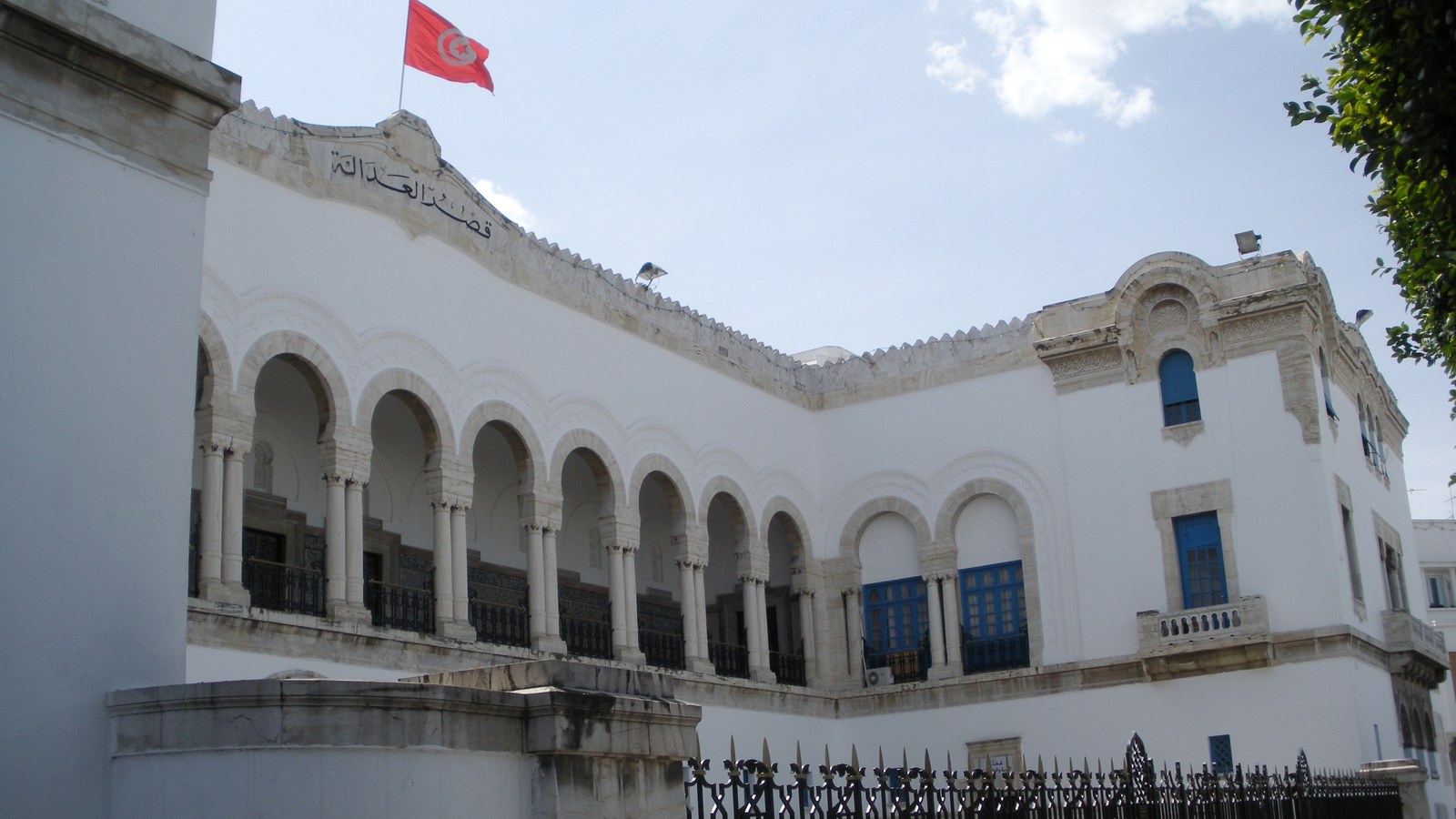
The Iraqi government of Bakr Sidqi and Hikmat Sulayman, less Arab-nationalist, sought diplomacy with its eastern neighbours. Turkey, after the Balkan Pact of 1934, wanted the same to the south. This is not the Balkan Pact, and not the Baghdad Pact of 1955. In the same July 1937, at Teheran, Iraq and Iran also signed the boundary treaty of 4 July; that is not this instrument. The cover is Saadabad Palace, the place of signature.
Sources: Treaty of Saadabad; League of Nations Treaty Series, vol. 190, No. 4402.









0 Comments
No comments on this article yet. Be the first!