


The federal government of Mexico and the Zapatista Army of National Liberation signed, at San Andrés Larráinzar in Chiapas, on 16 February 1996, the accords on the rights and culture of indigenous peoples. The documents closed the first of six tables provided for by the Law for Dialogue, Conciliation and a Dignified Peace in Chiapas, adopted on 11 March 1995. The seat, known in Tzotzil as Sakamch'en de los Pobres, had already been fixed in the San Miguel declaration of April 1995.
The instrument is not an interstate treaty registered with the United Nations. It is an intra-state peace agreement: an umbrella text plus three annexes — the Joint Declaration, the Joint Proposals (point 1.4 of the Rules of Procedure) and the Commitments for Chiapas (point 1.3). Both delegations accepted the texts, undertook to send them to national debating and decision-making bodies, and formalised them under the Rules of Procedure and the Dialogue Law as part of the Agreement on Concord and Pacification with Justice and Dignity. The UN Peacemaker catalogue classifies it as an intra-state agreement.
The government delegation was headed by peace commissioner Marco Antonio Bernal; UPI named, the same day, Jorge del Valle and Sergio Arturo Venegas as well. For the EZLN the signatories were comandantes Tacho, David and Zebedeo; Subcomandante Marcos was not present, and reporters were kept out of the ceremony. CONAI, led by Bishop Samuel Ruiz, and the congressional COCOPA commission accompanied the table without being parties to the accord. Bernal later said that President Ernesto Zedillo and several ministries had seen the texts fifteen days before signature.
The joint declaration called for a new relationship between the Mexican state and indigenous peoples, based on pluralism, recognition of indigenous identities as part of the nationality, and self-determination within the State. The joint proposals addressed constitutional recognition, languages, customary law and municipalities; they are not an operational-autonomy handbook. The Chiapas commitments concerned measures of the state and federal governments.
In the umbrella agreement itself the EZLN recorded eight reservations, including reform of agrarian Article 27, the insufficiency of the points on indigenous women, and the demand for interpreters in the courts. Clause C provided that negotiation on those reservations would continue. Signature therefore did not close the agrarian file.
In November 1996 COCOPA recast the accords as a legislative initiative which the EZLN accepted; the Zedillo government rejected it. The 2001 constitutional reform under Vicente Fox did not take up the text agreed at San Andrés; the EZLN treated it as a mutilation and broke off the dialogue. The other five tables provided for by the law did not produce equivalent agreements.
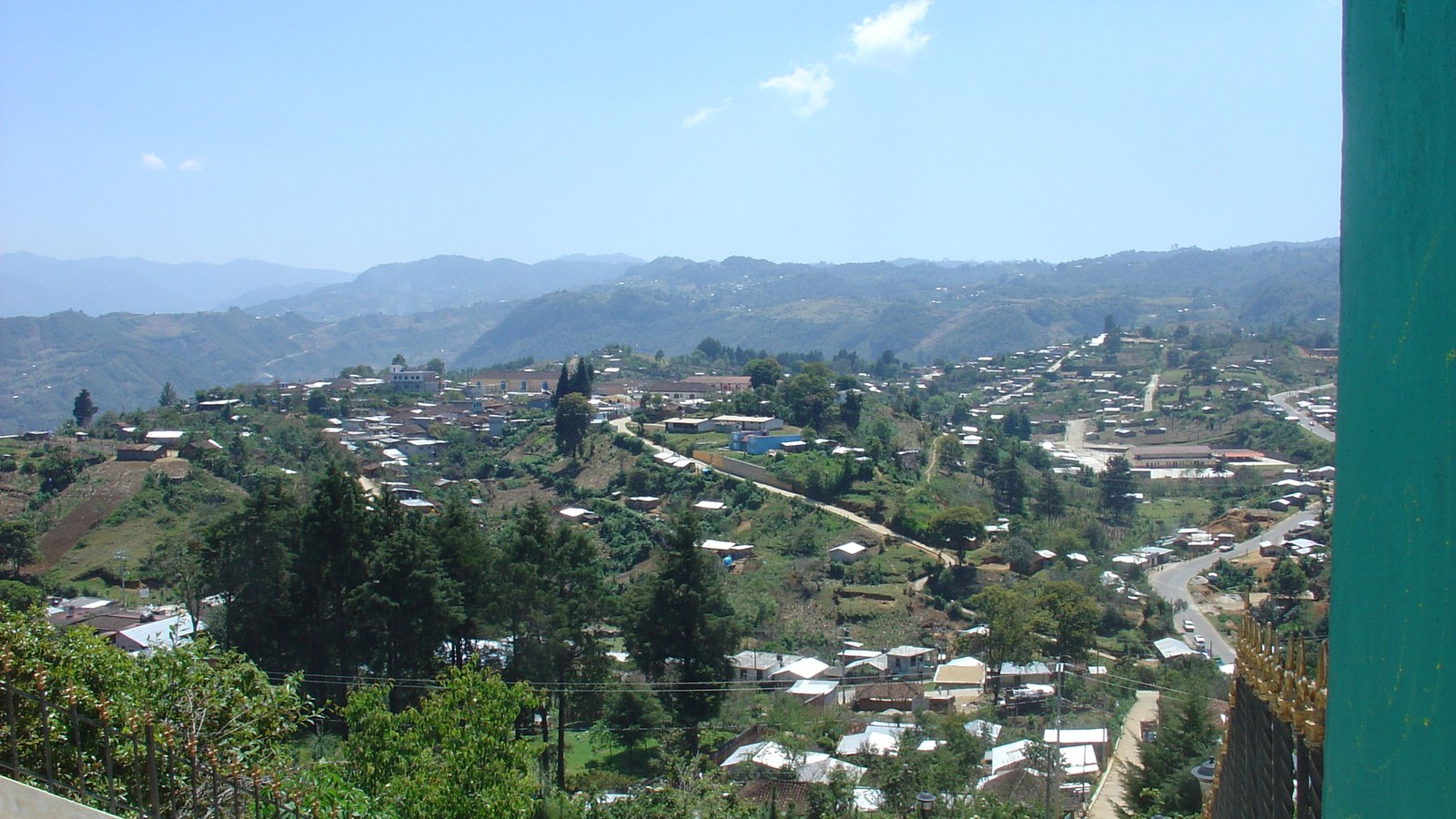
Cover: a view of San Andrés Larráinzar from the Guadalupe hermitage — the photograph is of the town, not of the room closed to the press. Wikimedia Commons, free licence.
Sources consulted: San Andrés Accords; Agreement Regarding the Joint Proposals between the Federal Government and the EZLN.











0 Comments
No comments on this article yet. Be the first!