


On 11 February 1971, at Washington, London and Moscow, the Treaty on the Prohibition of the Emplacement of Nuclear Weapons and Other Weapons of Mass Destruction on the Sea-Bed and the Ocean Floor and in the Subsoil Thereof was opened for signature — the official UNTS I-13678 title, not the Wikipedia infobox nickname. Originals in triplicate; depositaries: the United States, the United Kingdom and the USSR. Authentic texts: English, Russian, French, Spanish and Chinese. In Washington, Nixon spoke at the ceremony; the Moscow original bears Gromyko, the London original Duncan Wilson. Romania signed the same day in all three capitals.
Article X: open to all States; entry into force after 22 ratifications, including the three depositaries. UNTC: 18 May 1972, when the United States, the United Kingdom and the USSR deposited their instruments. UN registration on 28 November 1974, volume 955. Article XI: deposit in the archives of the three governments. The Conference of the Committee on Disarmament in Geneva prepared the text; it is not the place of signature. The instruments DONE formula is not copied.
Article I: the parties undertake not to emplace on the sea-bed, beyond the zone in Article II, nuclear weapons or other weapons of mass destruction, nor facilities specifically designed for storing, testing or using them. Within the coastal zone the prohibition does not apply to the coastal State or to the sea-bed beneath its territorial waters. This is not a weapons catalogue and we do not describe installations. Article II ties the zone limit to the twelve-mile outer limit in the 1958 Geneva Convention on the Territorial Sea.
Article III: observation that does not interfere with the activities; remaining doubts lead to consultations and, if need be, to the Security Council under the Charter. This is not an inspection handbook. Article IV: the treaty does not prejudice claims to the continental shelf. Article V: further negotiations to prevent an arms race on the sea-bed. Article IX leaves intact nuclear-weapon-free zones already agreed.
In the Eighteen Nation Committee on Disarmament at Geneva, the USSR sought a broader ban on military activity on the sea-bed; the United States kept the text to weapons of mass destruction. The General Assembly resolution of 18 December 1967, after Ambassador Pardo of Malta, opened work on the peaceful uses of the sea-bed — a framework distinct from this treaty. Article VII: the first review conference at Geneva, five years after entry into force.
France is not a party. The 1982 Convention on the Law of the Sea is later and does not replace this instrument. The US Senate approved the treaty on 15 February 1972, 83 to 0; Nixon ratified it on 26 April 1972.
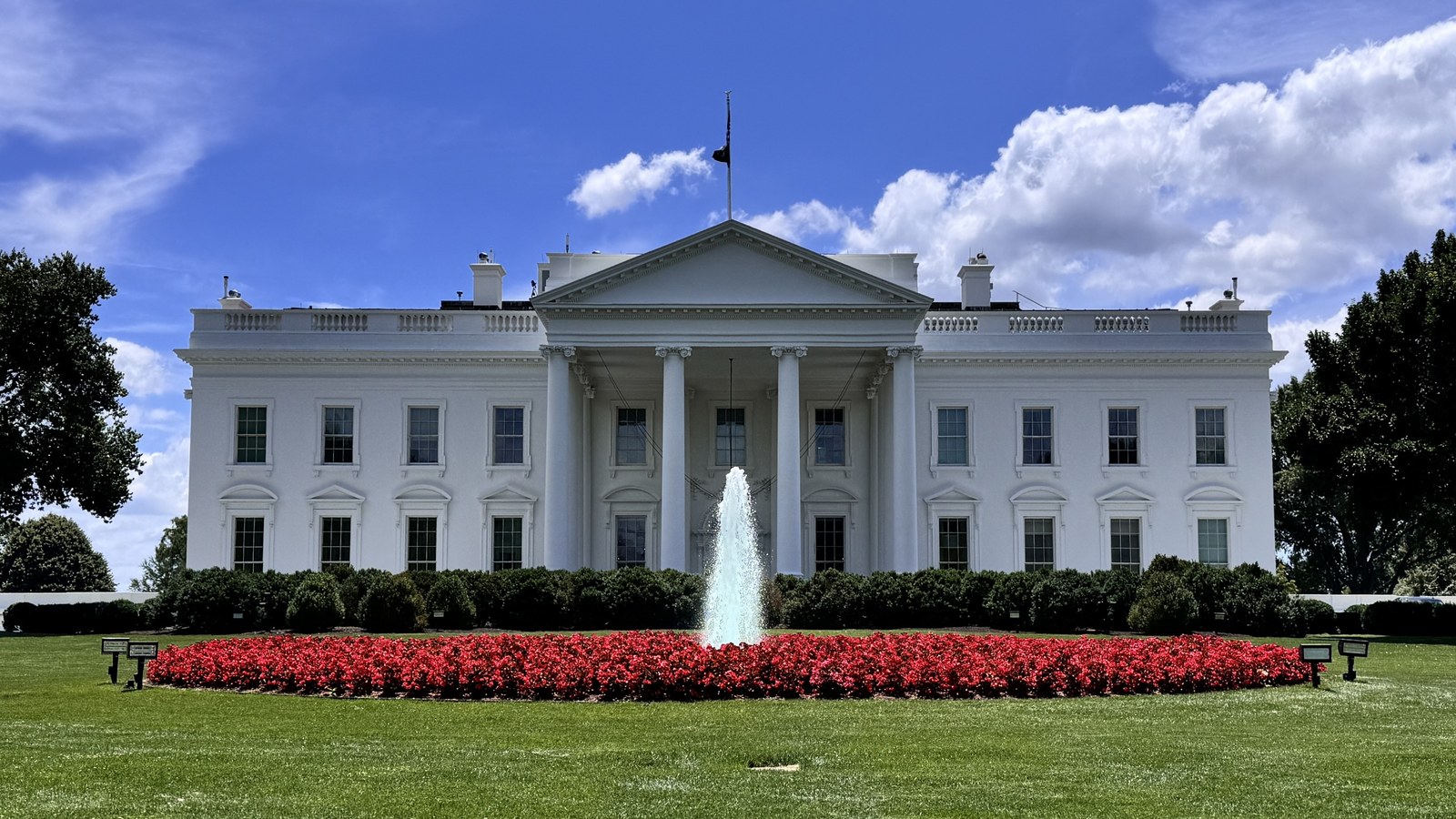
Cover: the White House, one of the three places of signature — the photograph is of the building, not the table. Wikimedia Commons, free licence.
For context: Seabed Arms Control Treaty. The text: Treaty on the prohibition of the emplacement of nuclear weapons and other weapons of mass destruction on the sea-bed (UNTS I-13678).











0 Comments
No comments on this article yet. Be the first!