


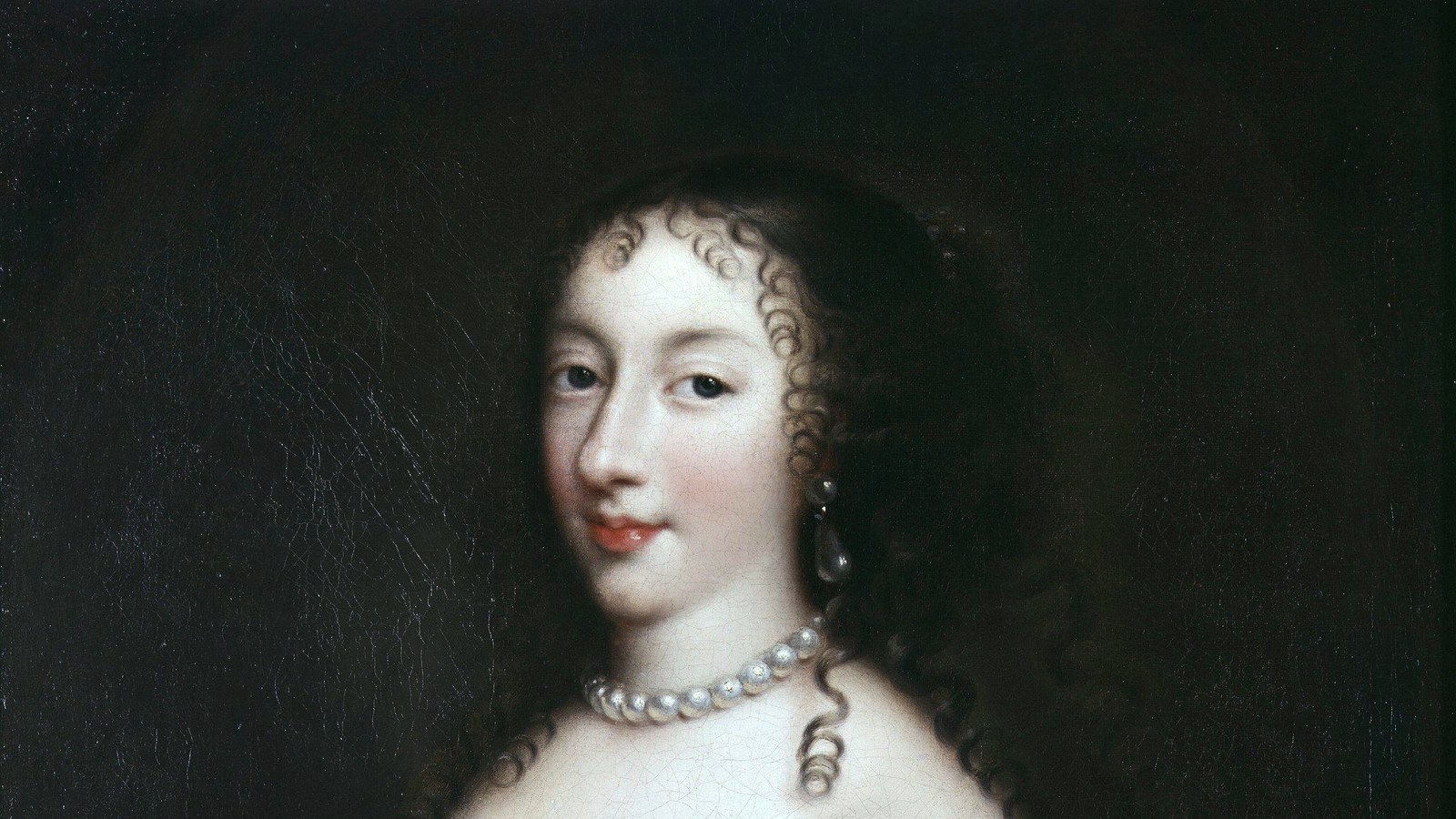
At Dover, on 1 June 1670 (22 May on the Julian calendar), Charles Colbert, Marquis de Croissy, for Louis XIV, and Henry Bennet, Earl of Arlington, Thomas Arundell, Thomas Clifford and Richard Bellings, for Charles II, sealed the final protocol of the secret treaty between France and England. The language is French. The kings did not sign in their own hand. Henrietta, Duchess of Orléans, Charles’s sister and Louis’s sister-in-law, held the thread of the talks.
The Secret Treaty of Dover is not the Triple Alliance of 1668, nor the Peace of Aix-la-Chapelle of the same year, nor the “cover” treaty signed by the whole Cabal on 21 December 1670, nor the Third Anglo-Dutch War of 1672, nor the Peace of Westminster of 1674. Sir John Dalrymple only brought it to light in 1771, in Memoirs of Great Britain and Ireland.
Article 1 establishes perpetual peace, brotherhood and alliance between the King of Great Britain, his successors, and the Most Christian King. Article 2: Charles, convinced of the truth of the Catholic religion, will make profession of it and reconcile himself with the Church of Rome as soon as the affairs of his kingdom permit. The date is left to his pleasure. For this project Louis gives him two million crowns within six months.
Article 3: Louis will not break the peace with Spain nor contravene what he promised at Aix-la-Chapelle; Charles will likewise maintain the Triple Alliance. Article 4: if new titles to the Spanish monarchy fall to Louis, Charles will assist him with all his forces by land and sea. Article 5: the two kings declare war on the United Provinces. France attacks by land, with 6,000 English foot under the Most Christian King’s command; England sends 50 men-of-war, France 30; the combined fleet is under the Duke of York.
As his share of the conquered provinces, Charles is content with Walcheren, the mouth of the Scheldt and the isle of Cadzand. Article 7 reserves, vaguely, the rights of the Prince of Orange. A treaty of commerce, already begun, is to be concluded promptly. For the duration of the war Louis pays three million French livres a year, in instalments: 750,000 three months before the declaration, the same on the declaration, 1,500,000 six months later; then, in following years, on 1 February, 1 May and 15 October.
On 21 December 1670 Buckingham signed, with the whole Cabal, a public treaty without the conversion clause and without the link between the war and the Catholic profession. That text is the cover. The conversion was never made. The war of 1672 followed nonetheless. The Secret Treaty of Dover is not that campaign, nor the Declaration of Indulgence of 1672.
Image: Henrietta of England, Duchess of Orléans; Pierre Mignard (or after), circa 1665–1670, National Portrait Gallery, public domain, Wikimedia Commons. Cropped to 16:9.
Source consulted: Secret Treaty of Dover. Treaty text: Taylor: The Treaty of Dover, from the original in the possession of Lord Clifford.











0 Comments
No comments on this article yet. Be the first!