


On 11 November 1975, in Shillong, L.P. Singh, Governor of Nagaland, for the Government of India, and representatives of Naga underground organisations signed the Shillong Accord. One original in English. It is not the 1960 Sixteen Point Agreement, which led to the State of Nagaland, and not the 2015 Framework Agreement with the NSCN-IM.
The text: six representatives — I. Temjenba, S. Dahru, Veenyiyl Rhakhu, Z. Ramyo, M. Assa and Kevi Yallay — met the Governor after four rounds of discussions, held on the eve of signature and on the day itself. Some rounds were with the Governor alone; at others he was assisted by Advisers M. Ramunny and H. Zopianga and by Joint Secretary in the Ministry of Home Affairs M.L. Kampani. All five members of the Liaison Committee of the Nagaland Peace Council — Longri Ao, M. Aram, L. Lungalang, Kenneth Kerhuo and Lungshim Shaiza — took part. The published signature block: Temjenba, Dahru, Ramyo, Assa and Kevi Yalley, plus Singh.
Point (i): the representatives of the underground organisations conveyed their decision, of their own volition, to accept, without condition, the Constitution of India. The instrument is not signed in the name of the Naga National Council as an organisation, but “on behalf of the representatives of the underground organisations”.
Point (ii): the arms now underground would be brought out and deposited at appointed places; details would be worked out between them, representatives of the Government, the security forces and the Liaison Committee. Point (iii): the underground representatives should have reasonable time to formulate other issues for discussion for a final settlement. The Accord does not list those issues and does not set a deadline.
A supplementary agreement of 5 January 1976, also at Shillong, implements point (ii): collection of arms by 25 January, handover to the Peace Council team, transport to the Chedema peace camp, a similar arrangement in Manipur with the concurrence of the Manipur Government, and maintenance of those in the underground only through the Peace Council. Signatories: Singh, Biseto Medom Keyho, Pukrove Nakru, Ramyo and Temjenba. It is not a second inter-state treaty and does not replace point (iii).
The Accord does not bind A.Z. Phizo, president of the Naga National Council, who does not appear among the signatories. It does not create a sovereign Naga state and does not repeal the Constitution of India. The National Socialist Council of Nagaland, formed in 1980 by Isak Chishi Swu, Thuingaleng Muivah and S.S. Khaplang, later rejected the text; that is a later split, not a 1975 clause.
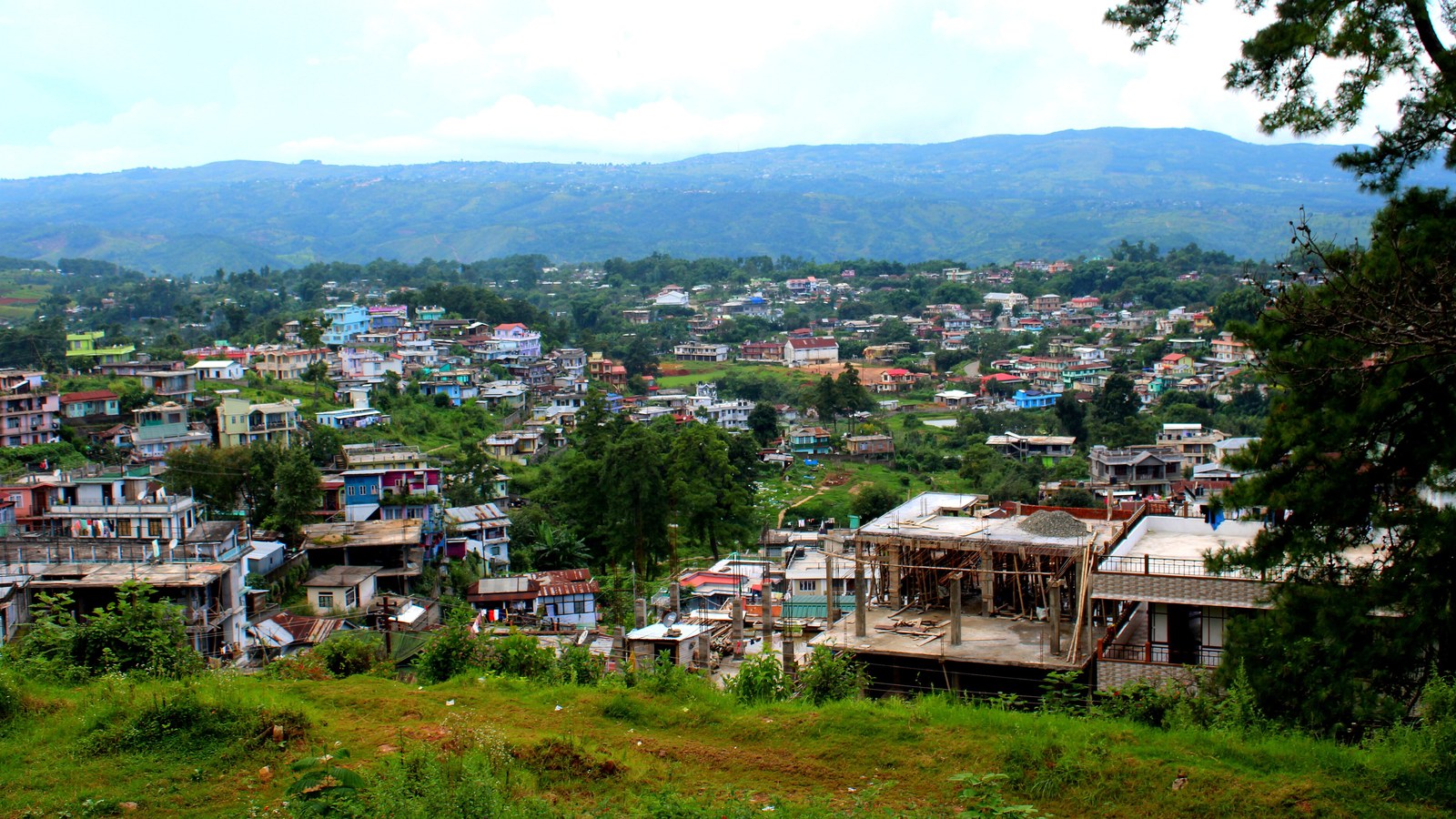
Image: Shillong, place of signature; Ishan Jyoti Bora, 26 August 2019; CC BY-SA 4.0, Wikimedia Commons. Cropped to 16:9.
Source consulted: Shillong Accord of 1975. Treaty text: Shillong Agreement between the Government of India and the Underground Nagas, 11 November 1975.











0 Comments
No comments on this article yet. Be the first!