


On 14 August 1945, in Moscow, the Republic of China (Nationalist government) and the Soviet Union sign the Treaty of Friendship and Alliance — the pact fixing anti-Japanese cooperation at the end of the Second World War and the postwar regime in Manchuria and Outer Mongolia.
Signatories are Chinese Foreign Minister Wang Shijie and Soviet Commissar Vyacheslav Molotov. The text provides mutual military assistance against Japan, a ban on separate peace, and postwar cooperation based on sovereignty and non-interference.
Attached diplomatic notes link Soviet withdrawal from Manchuria to a referendum on Outer Mongolia’s independence — later recognised by the ROC — and regulate the railways and Port Arthur / Dalian.
The treaty was registered in the United Nations Treaty Series (10 UNTS 300). The ROC later denounced it (1953), and the PRC replaced it in 1950 with a new Soviet treaty.
For 1945 Sino-Soviet diplomacy, 14 August remains the signature date.
The text is documented in official collections and on Wikisource.
The Sino-Soviet Treaty of Friendship and Alliance of 14 August 1945 remains the Yalta–Moscow milestone for Nationalist China and the USSR.
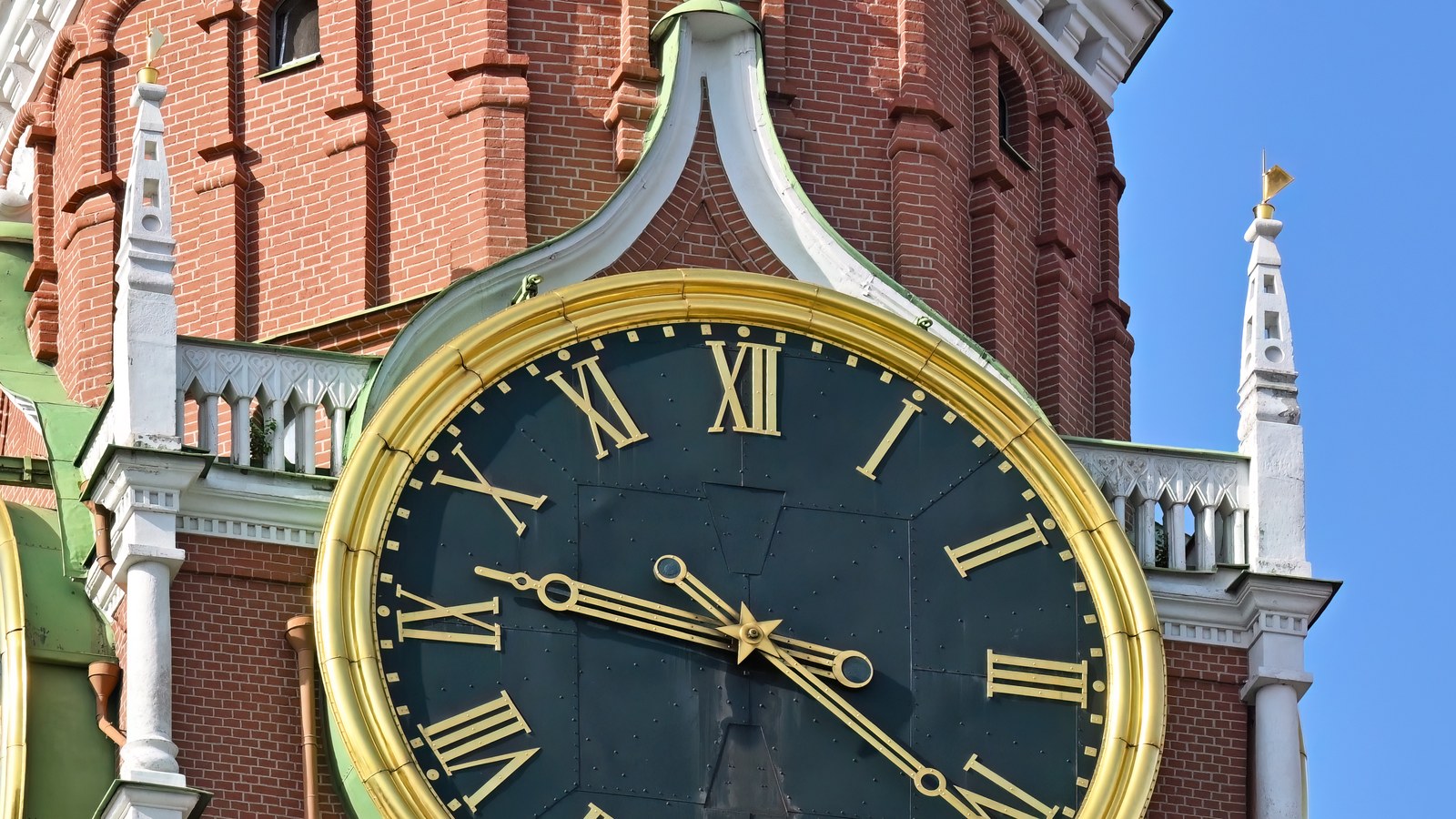
Image: Moscow; Wikimedia Commons. Cropped to 16:9.
Source consulted: Sino-Soviet Treaty of Friendship and Alliance. Treaty text: Wikisource — Treaty of Friendship and Alliance (1945).










0 Comments
No comments on this article yet. Be the first!