


The Pact of Mutual Assistance between the Republic of Estonia and the Union of Soviet Socialist Republics was signed in Moscow on 28 September 1939 by Karl Selter, Estonian Minister for Foreign Affairs, and Vyacheslav Molotov, Chairman of the Council of People’s Commissars and People’s Commissar for Foreign Affairs. The Estonian and Russian texts, in duplicate originals. It is not the 1920 Tartu Peace Treaty, nor the 1932 Non-Aggression Treaty, which the preamble reaffirms as the foundation, nor the analogous pacts with Latvia (5 October) and Lithuania (10 October). The preamble invokes independent political existence and non-intervention in internal affairs.
Article I: the Parties undertake to render each other assistance of every kind, including military assistance, in the event of direct aggression or threat of aggression by a European Great Power against their maritime frontiers in the Baltic Sea, their land frontiers across the territory of Latvia, or the bases provided for in Article III. Article II: the Soviet Union undertakes to assist the Estonian army, on advantageous terms, with armaments or other war material. The clauses remain a framework; the article is not a delivery programme.
Article III: Estonia grants the Soviet Union the right to naval bases on the islands of Saaremaa and Hiiumaa and in the town of Paldiski, together with aerodromes, on lease at reasonable rates. The exact sites are to be assigned by common accord. For the defence of those points the Union may maintain, at its own expense, strictly limited land and air forces, up to a maximum to be fixed by special agreement. The article does not set out a base itinerary. Article IV: the Parties undertake not to conclude alliances or take part in coalitions directed against either of them.
Article V: enforcement of the Pact may in no way impair the sovereign rights of the Parties or, more especially, their economic system or political structure; the areas allotted remain territory of the Republic of Estonia. Article VI: entry into force on the exchange of ratifications, at Tallinn, within six days of signature — 4 October. Duration: ten years, automatically renewed for five years unless denounced one year before expiry. Article VII: the originals, at Moscow.
The text consulted is LNTS No. 4643, volume 198. The Pact was registered with the League of Nations on 13 October. In June 1940, after an ultimatum, Estonia was occupied; Article V did not prevent annexation.
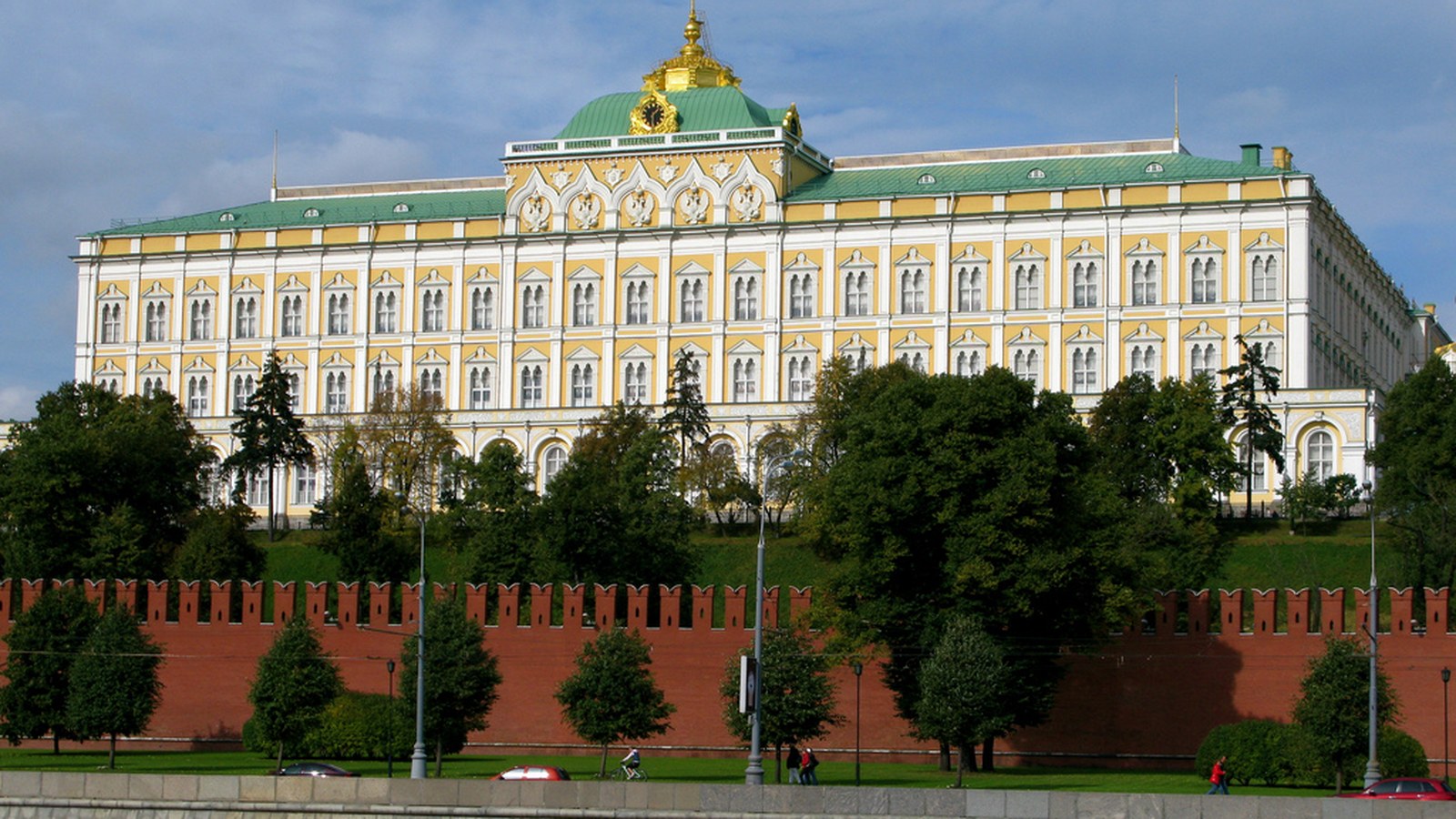
Cover: the Grand Kremlin Palace, a landmark of the place of signature; we do not claim the hall. Wikimedia Commons, free licence.
Sources consulted: Soviet–Estonian Mutual Assistance Treaty; Pact of Mutual Assistance between Estonia and the USSR, Moscow (LNTS reprint).











0 Comments
No comments on this article yet. Be the first!