


The Pact of Mutual Assistance between the Republic of Latvia and the Union of Soviet Socialist Republics was signed in Moscow on 5 October 1939 by Latvian Foreign Minister Vilhelms Munters and Soviet People’s Commissar for Foreign Affairs Vyacheslav Molotov. The Russian and Latvian texts are duplicate originals. It is not the analogous pact with Estonia, nor that with Lithuania, nor the Peace Treaty of 11 August 1920 or the Treaty of Non-Aggression of 5 February 1932, which the preamble treats as the foundation of their relations.
The preamble invokes recognition of independent political existence and non-interference in internal affairs, and the need to determine the exact conditions under which mutual security is assured. Article I: the Parties undertake to render each other assistance of every kind, including military assistance, in the event of a direct aggression or threat of aggression by any great European Power against their maritime frontiers in the Baltic Sea, against their land frontiers across the territory of the Estonian or Lithuanian Republics, and against the bases provided for in Article III. Article II: the Soviet Union undertakes to assist the Latvian army, on advantageous terms, with armaments and other war material; the clause remains a framework, not a delivery catalogue.
Article III: Latvia grants the Soviet Union the right to have, in the towns of Liepāja (Libau) and Ventspils (Windau), naval bases and a number of aerodromes, leased at a reasonable rent; the exact sites are to be assigned by special agreement. For the defence of the Strait of Irbes, the Soviet Union is granted, on the same conditions, the right to construct a coastal-artillery base on the littoral between Ventspils and Pitrags. For the defence of those points it may maintain, at its own expense, in the areas allotted, a strictly limited quantity of land and air forces, the maximum of which shall be determined by special agreement. The article is not a deployment itinerary.
Article IV: the Parties undertake not to conclude alliances or to take part in coalitions directed against either Party. Article V: enforcement of the Pact may in no way impair sovereign rights, more especially political structure, economic and social systems, and military measures; the areas allotted for the bases and aerodromes remain Latvian territory. A confidential protocol of the same day, annexed to the Pact, framed wartime garrisons on the leased sites and a mixed parity commission; it is not an operational ceiling published in the Treaty Series.
Article VI: the Pact enters into force on the date of the exchange of instruments of ratification, which shall take place at Riga within six days of signature. It remains in force for ten years; if neither Party denounces it one year before expiry, it automatically continues for a further ten years. Unlike the Estonian pact, the tacit extension is also ten years, not five.
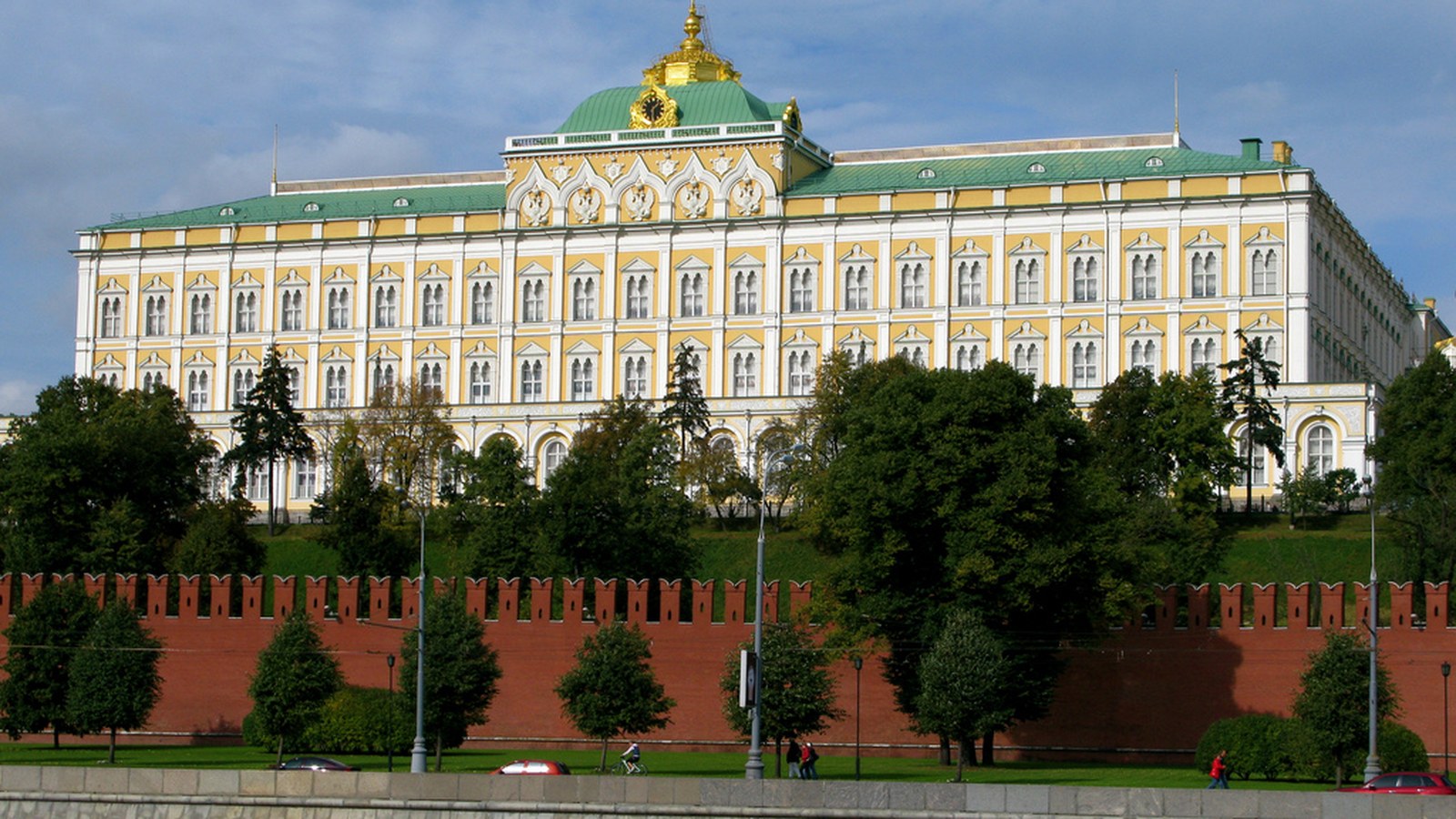
The exchange of ratifications took place at Riga; the Pact was registered in the League of Nations Treaty Series, volume 198. In June 1940 the Soviet Union accused Latvia of violating the Pact and demanded a new government and the entry of an unlimited number of troops; the later occupation and annexation belong to subsequent history, not to the signed clauses. The cover shows the Grand Kremlin Palace, the place of signature, not a particular hall.
The signatories were Munters and Molotov, in the presence, according to the period photograph, of Stalin, Latvian ambassador Fricis Kociņš and Soviet deputy Vladimir Potemkin. Finland was invited in the same period to similar negotiations, which did not produce a pact.
Sources consulted: Soviet–Latvian Mutual Assistance Treaty; LNTS reprint, Pact of Mutual Assistance between Latvia and the USSR.











0 Comments
No comments on this article yet. Be the first!