


Spain’s Supreme Court is keeping the suspension of voting rights for 163,020 people on the register of absent residents, the CERA, closed on 1 August 2026. El País, in its English edition of 12 October, explained why. This is not a judgment on the Democratic Memory Law, the “grandchildren’s law”. It is an interim measure about a Justice Ministry instruction that treated as exiles all Spaniards who left between 18 July 1936 and 31 December 1955. The election is on 29 November.
The State Attorney’s Office and the prosecutors asked for the suspension to be lifted, arguing there is no time left to revise the roll. The administrative chamber answered that the administration cannot plead impossibility when it failed to make the breakdown ordered in September. The interest in a roll “without the slightest shadow of doubt” outweighs, in the reasoning, these people’s votes until it is clear on what basis they obtained nationality.
Those already registered will be able to vote if consular registry officials certify, under their own responsibility, that they are children or grandchildren of people who went into exile for political, ideological, religious or sexual-orientation reasons and that the ancestor lost or renounced nationality. Anyone who relied only on the instruction’s presumption stays, for now, off the roll. Nationality, passports and other civil rights are not withdrawn.
The vote was not unanimous. Justice Alicia Millán wrote that 29 November is a new element and that any injury to the right to vote would become irreversible. The majority kept the 8 September measure, sought by Iustitia Europa and Vox. Vox has also gone to the Constitutional Court. The chamber says it is not reviewing the constitutionality of the law, but of the instruction.
Those affected had not been notified in person. The court ordered urgent publication in the official gazette and at consulates, so they can join as parties. Five days for submissions. This is not a conviction and not a ruling on the merits. It is an electoral door held ajar, with a consular certificate, not with an administrative presumption.
Anyone writing that “163,000 Spaniards have lost their citizenship” has the object wrong. Anyone writing that all of them will vote if they go to the consulate ignores the proof required: the reason for exile, not only the years of departure. 29 November is the date; the case on the merits remains open.
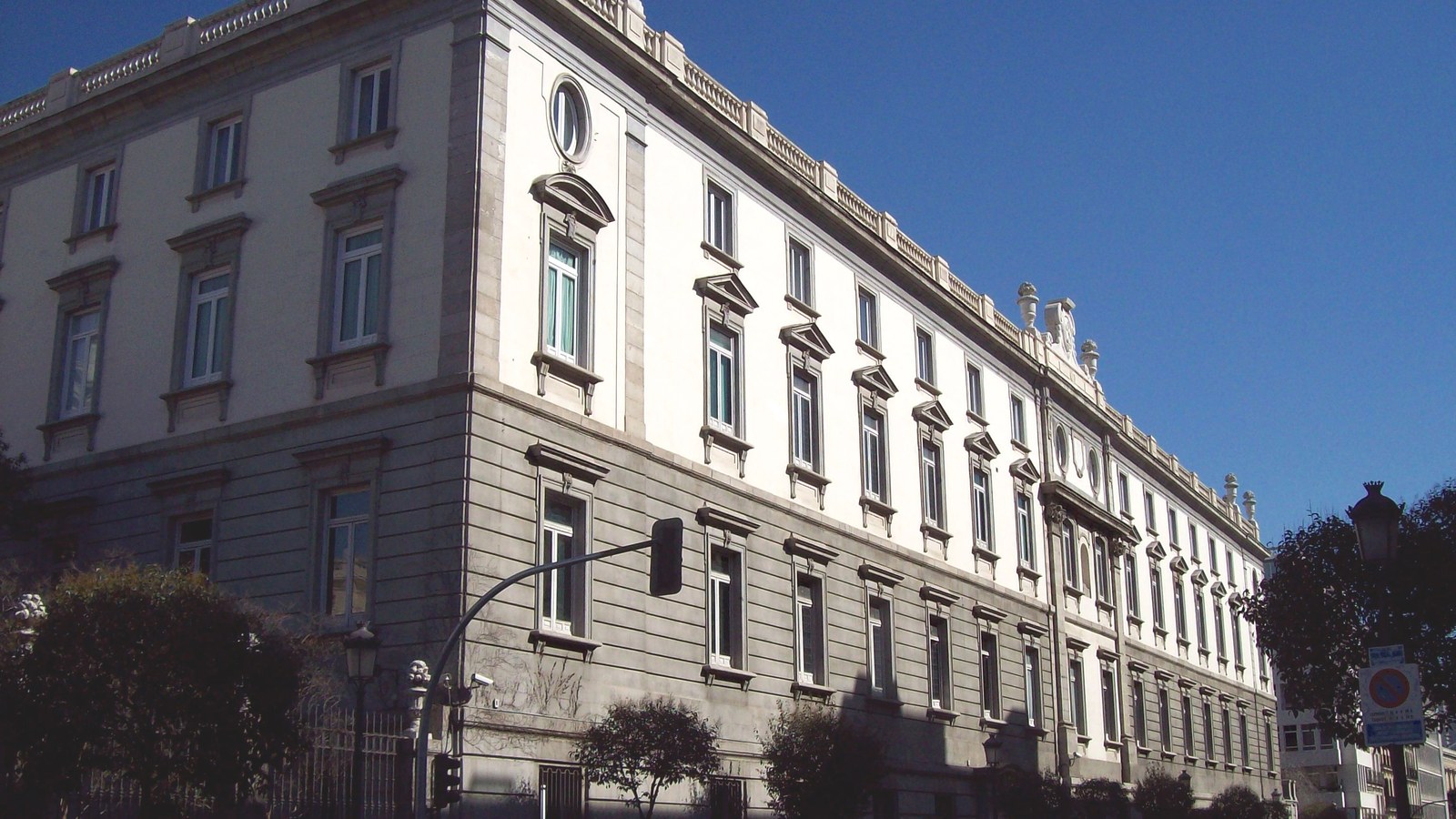
Image: Luis Garcia (Zaqarbal), Supreme Court, Madrid, CC BY-SA 3.0, Wikimedia Commons; archive facade, not the sitting of 12 October 2026.
Sources consulted: Spain's grandchildren's law before the Supreme Court: who can vote on November 29? - El Pais English; Supreme Court keeps the 29-N voting suspension - El Pais.











0 Comments
No comments on this article yet. Be the first!