


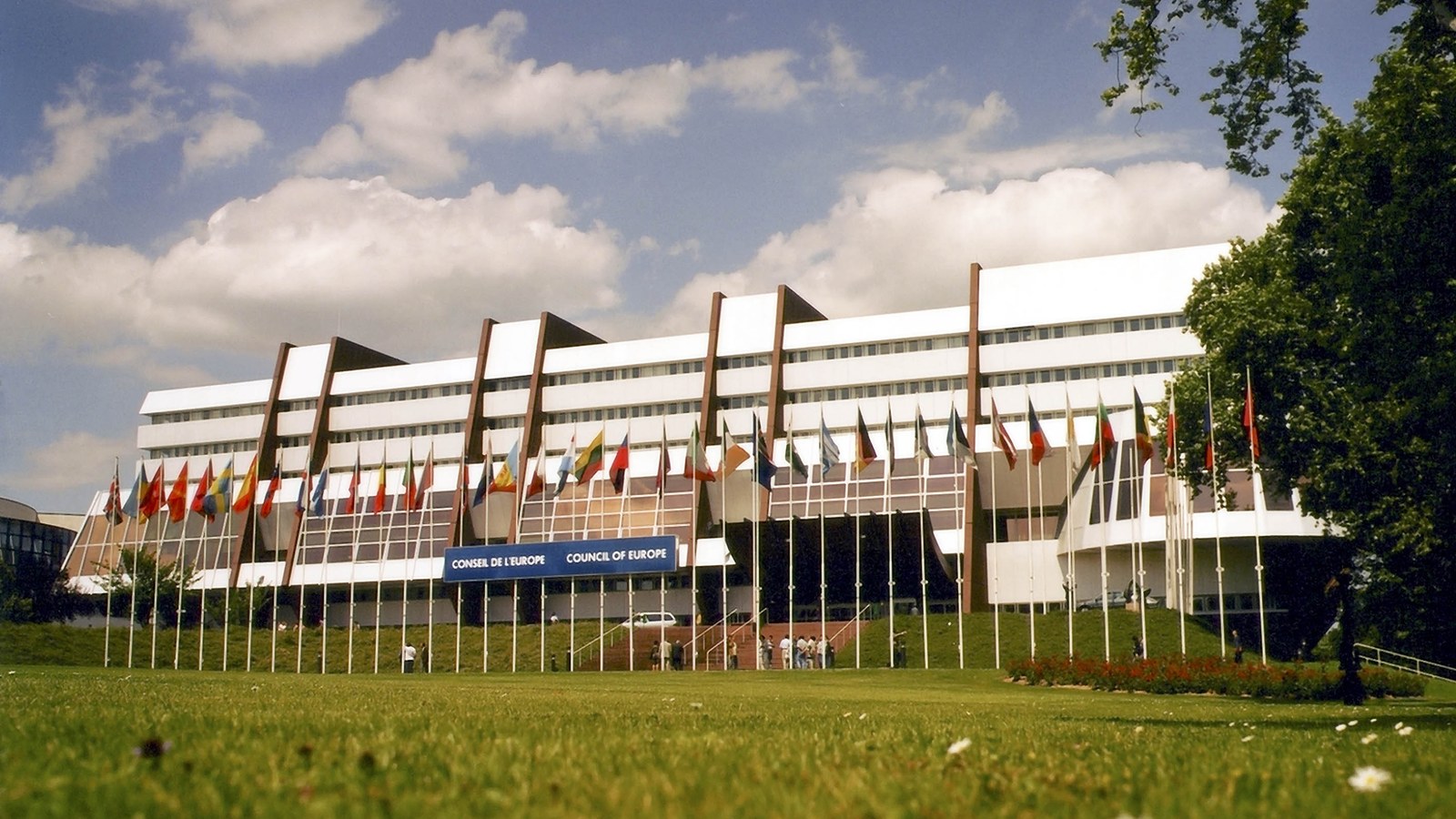
On 8 November 1990, in Strasbourg, the Convention on Laundering, Search, Seizure and Confiscation of the Proceeds from Crime (ETS No. 141) was opened for signature. One original, in English and French, both texts equally authentic, deposited in the archives of the Council of Europe; the depositary is the Secretary General. It is not the 1988 Vienna Convention against illicit traffic in narcotic drugs and not the 2005 Warsaw Convention (ETS No. 198).
The preamble: the member States of the Council of Europe and the other States signatory hereto seek a common criminal policy for the protection of society; serious crime, increasingly international, calls for modern methods, one of which is depriving criminals of the proceeds from crime, together with a well-functioning system of international cooperation. Article 1: “proceeds” means any economic advantage from criminal offences; “property” covers corporeal and incorporeal, movable and immovable, plus documents evidencing title; “instrumentalities” are property used or intended to be used to commit an offence; “confiscation” is a penalty or a measure ordered by a court, resulting in the final deprivation of property; “predicate offence” is an offence that generated proceeds that may become the subject of an Article 6 offence.
Article 2: each Party shall enable itself to confiscate instrumentalities and proceeds or property the value of which corresponds to such proceeds; a declaration may limit paragraph 1 to specified offences or categories. Article 3: identify and trace property liable to confiscation and prevent dealing, transfer or disposal. Article 4: courts or other competent authorities may order that bank, financial or commercial records be made available or seized; bank secrecy is not a ground for refusal. Special investigative techniques (monitoring orders, interception of telecommunications, access to computer systems) are to be considered. Article 5: effective legal remedies for interested parties affected by Articles 2 and 3.
Article 6: intentional offences of conversion or transfer of property known to be proceeds, concealment of origin, and acquisition, possession or use at the time of receipt, plus participation, association, attempt and aiding. It shall not matter whether the predicate offence was subject to the Party’s criminal jurisdiction; knowledge may be inferred from objective factual circumstances. A declaration may limit the predicate offences. Article 7: cooperation to the widest extent possible for investigations and confiscation proceedings, including value confiscation. Articles 8–10: assistance in identification and tracing, under the law of the requested Party, and spontaneous information without a prior request.
Articles 11–13: provisional measures (freezing or seizing) on request; the requested Party shall either enforce a foreign confiscation order or submit the request to its authorities for a domestic order. Article 15: confiscated property is disposed of by the requested Party unless the Parties agree otherwise. Article 17: no imprisonment in default if the requesting Party so specifies. Article 18: refusal may rest, among other grounds, on ordre public, a political or fiscal offence, ne bis in idem or lack of dual criminality; bank secrecy is not a ground for refusal. Article 23: each Party designates a central authority.
Article 36: open for signature by Council of Europe members and non-member States which participated in its elaboration; it enters into force on the first day of the month following three months after three States, of which at least two are members, have expressed consent to be bound. Entry into force: 1 September 1993, after the United Kingdom, Switzerland and the Netherlands. Article 37: later accession by invitation of the Committee of Ministers. Article 40: reservations only to Articles 2 §2, 6 §4, 14 §3, 21 §2, 25 §3 and 32 §2. The 2005 Warsaw Convention later supplements it, including terrorist financing; it is not a European Union anti-money-laundering directive.
Image: Palace of Europe, Strasbourg, place of opening for signature; Council of Europe, 17 March 2008; CC BY 3.0, Wikimedia Commons. Cropped to 16:9.
Source consulted: Convention on Laundering, Search, Seizure and Confiscation of the Proceeds from Crime. Treaty text: Convention on Laundering, Search, Seizure and Confiscation of the Proceeds from Crime, Strasbourg, 8 November 1990 (ETS No. 141).











0 Comments
No comments on this article yet. Be the first!