


On 14 April 1935, in Stresa on Lake Maggiore, premiers Pierre-Étienne Flandin (with Pierre Laval), Ramsay MacDonald and Benito Mussolini sign the Final Declaration of the Stresa Conference — the Stresa Front.
The document reaffirms the Locarno Treaties and declares that Austria’s independence “would continue to inspire their common policy”. The signatories agree to resist any German attempt to alter the Treaty of Versailles.
The four-day conference, prepared chiefly by British diplomat Robert Vansittart, answered German rearmament announced in March 1935: a Luftwaffe, 36 divisions and conscription — direct Versailles breaches.
In practice the Front was a Franco-British-Italian diplomatic alliance against Nazi Germany. The Ethiopian question stayed ambiguous: Mussolini read silence as a free hand in Abyssinia; London believed it had marked limits.
The Front cracked after the Anglo-German Naval Agreement of June 1935, signed without consulting Italy, and collapsed with the Italian invasion of Ethiopia in October 1935.
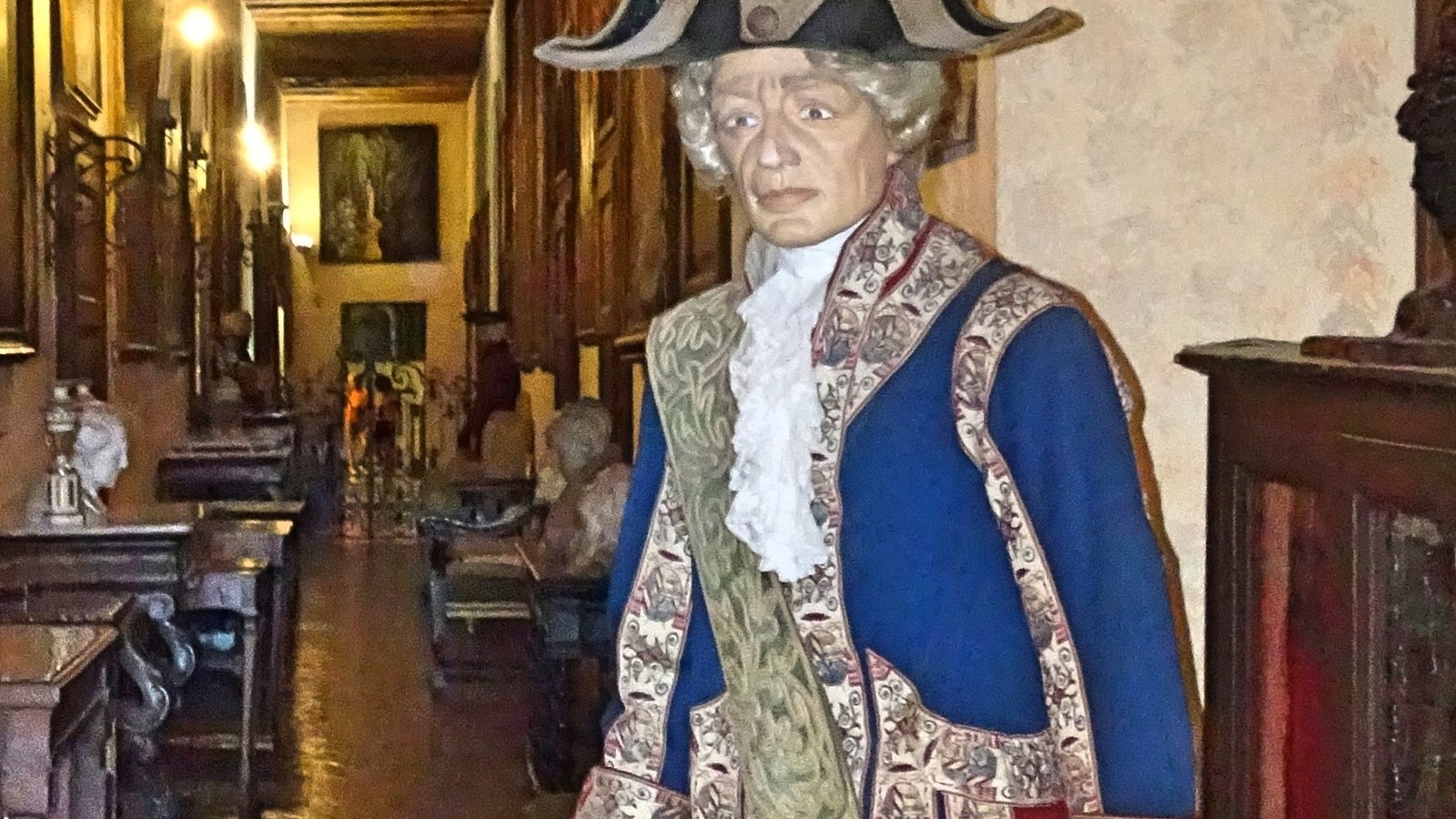
The conference met at the Palazzo Borromeo on Isola Bella. Its later failure opened Mussolini–Hitler rapprochement and weakened the diplomatic wall against Rhineland remilitarisation.
The Stresa Front of 14 April 1935 remains the brief symbol of the attempt to block German rearmament through a concert of the Western powers and Fascist Italy.
Image: Isola Bella / Stresa; Wikimedia Commons. Cropped to 16:9.
Source consulted: Stresa Front. Treaty text: Final Declaration of the Stresa Conference (Avalon).











0 Comments
No comments on this article yet. Be the first!