


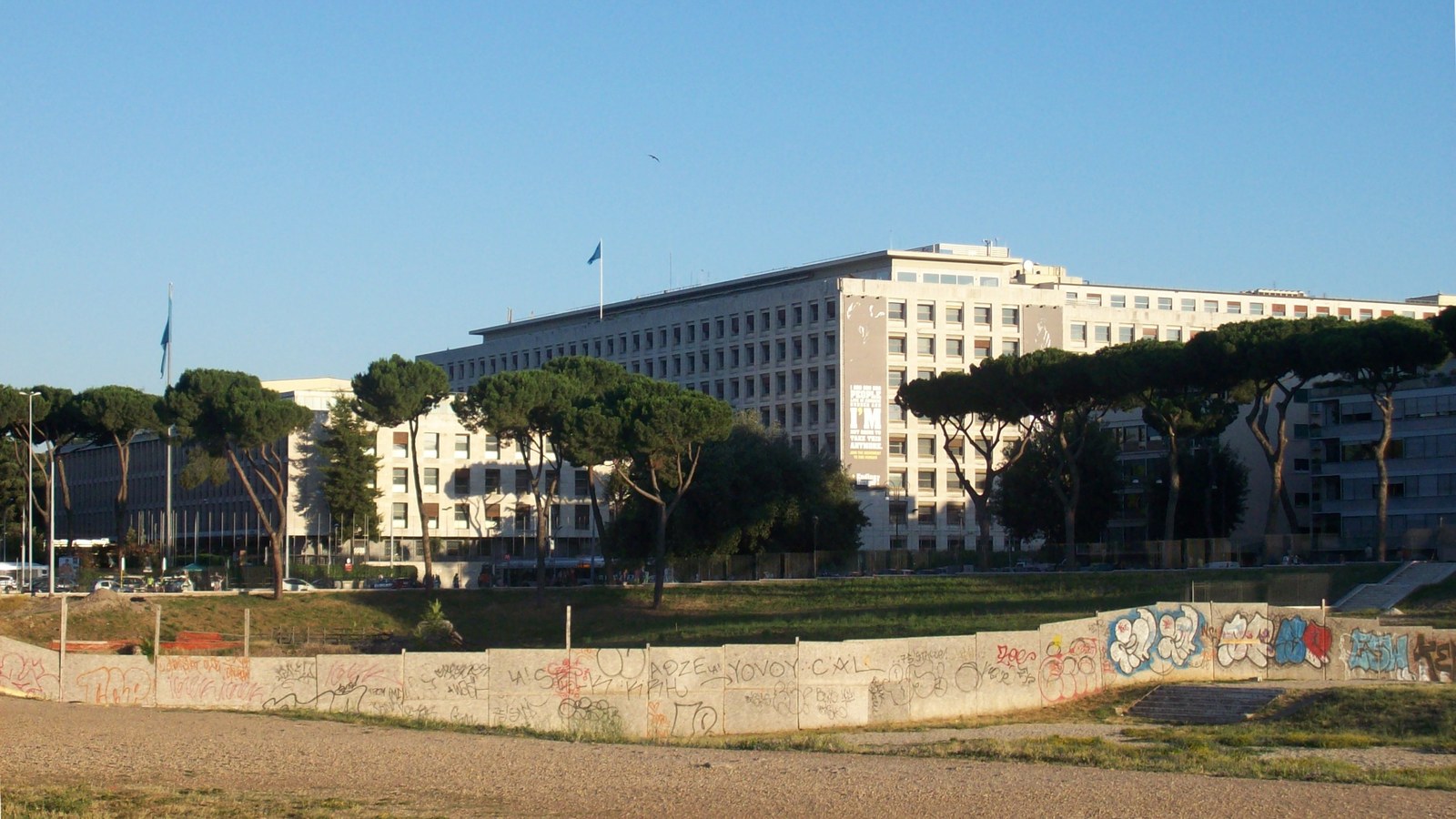
The diplomatic conference on the suppression of unlawful acts against the safety of maritime navigation, held at FAO headquarters in Rome, adopted on 10 March 1988 the Convention for the Suppression of Unlawful Acts against the Safety of Maritime Navigation. One original, Arabic, Chinese, English, French, Russian and Spanish equally authentic. Depositary: the Secretary-General of the International Maritime Organization. UNTS No. 29004. IMO Assembly A.584(14) and UN General Assembly resolution 40/61 had called for measures after attacks on ships in the 1980s; Austria, Egypt and Italy proposed the convention.
Article 1: “ship” means any vessel not permanently attached to the sea-bed, including dynamically supported craft and submersibles. Article 2: the convention does not apply to warships, naval auxiliaries, customs or police vessels, or ships withdrawn from navigation; immunities of non-commercial government ships remain. This is not a boarding handbook.
Article 3 criminalises, at the level of principle, seizing control of a ship by force or intimidation, violence or damage likely to endanger safe navigation, destroying navigational facilities, communicating information known to be false, and injuring or killing in connection with those acts, plus attempt, complicity and threat. Article 4: it applies if the ship is navigating or scheduled to navigate beyond the territorial sea of a single State; otherwise it still applies when the offender is found in another State Party. This is not a maritime-attack handbook.
Article 5: penalties commensurate with gravity. Article 6: mandatory jurisdiction on flag, territory (including the territorial sea) and nationality; optional for habitual-resident stateless persons, national victims or compulsion of the State; and when the alleged offender is present and not extradited. Article 7: custody, a preliminary inquiry, and the right to communicate with a representative of one’s State. Article 8: the master may deliver a suspected person to another Party, with notice; the receiving State accepts or states reasons for refusal. Article 9: it does not alter the law on investigation aboard foreign ships.
Article 10: aut dedere aut judicare — if it does not extradite, the State where the alleged offender is found shall submit the case without delay for prosecution, with fair treatment. Article 11: the offences are extraditable; the convention may serve as a legal basis in the absence of a bilateral treaty. Article 12: mutual legal assistance. Article 13: prevention and avoiding undue detention of the ship, passengers or cargo. Article 16: arbitration, then the ICJ, with a permitted reservation.
Article 17: open for signature at Rome on the day of adoption by participating States, then at IMO headquarters from 14 March 1988 to 9 March 1989, thereafter accession. Article 18: entry into force ninety days after fifteen States — 1 March 1992. The same conference adopted a separate protocol on fixed platforms on the continental shelf, a distinct instrument. The 2005 Protocol adds later offences; it is not part of the 1988 text.
Cover: Palazzo FAO in Rome, the seat of the diplomatic conference, not the plenipotentiaries’ table. Wikimedia Commons, free licence.
Sources consulted: Convention for the Suppression of Unlawful Acts against the Safety of Maritime Navigation; SUA/CONF/15/Rev.1.











0 Comments
No comments on this article yet. Be the first!