


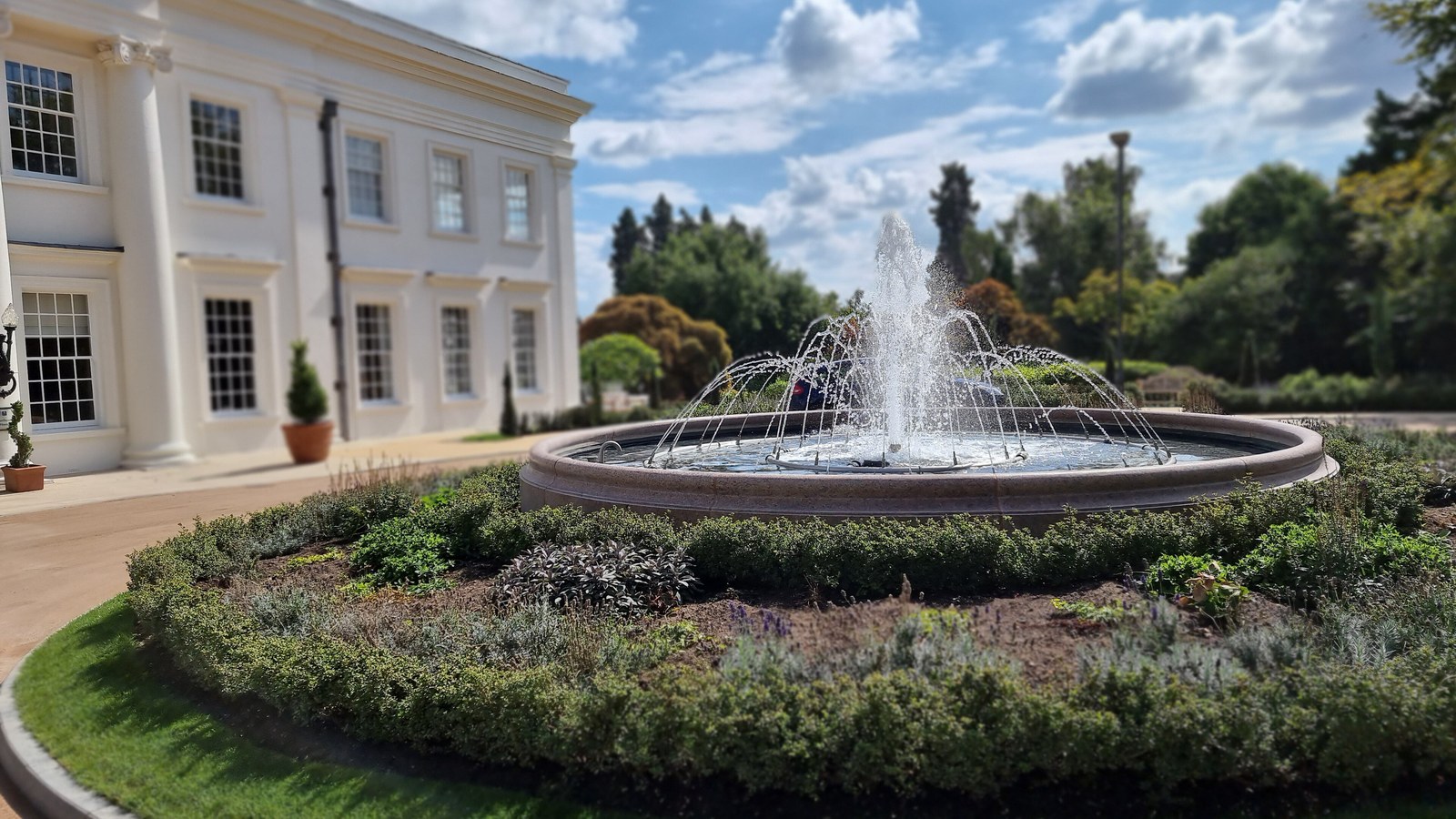
On 9 December 1973, at the Civil Service College, Sunningdale Park, Berkshire, the communique of the tripartite conference of the British Government, the Irish Government and the parties in the Northern Ireland Executive (designate) was issued. The conference opened on 6 December. Authentic text: English. Delegations: Edward Heath, British prime minister; Liam Cosgrave, taoiseach; Brian Faulkner, UUP, chief executive designate; Gerry Fitt, SDLP; Oliver Napier, Alliance. It is not the 1998 Good Friday Agreement and not the 1985 Anglo-Irish Agreement.
Each delegation stated its position on the status of Northern Ireland. Cosgrave: none had compromised basic aspirations; Irish unity only by consent. Faulkner: the majority, represented by the Unionist and Alliance delegations, remained firm in the desire to remain part of the United Kingdom. The Irish Government solemnly declared that there could be no change in the status of Northern Ireland until a majority of the people of Northern Ireland desired a change. The British Government declared that it was, and would remain, their policy to support the wishes of the majority; the present status is that Northern Ireland is part of the United Kingdom; if in future the majority should indicate a wish to become part of a united Ireland, the British Government would support that wish.
Paragraph 6: a formal agreement incorporating the two governments declarations would be signed at the formal stage of the conference and registered at the United Nations. Paragraph 7: a Council of Ireland would be set up, confined to representatives of the two parts of Ireland, with safeguards for British financial and other interests. Council of Ministers: executive and harmonising functions and a consultative role, acting by unanimity, a core of seven members of the Irish Government and seven of the Northern Ireland Executive, rotating chairmanship. Consultative Assembly: 60 members, 30 from Dail Eireann and 30 from the Northern Ireland Assembly, chosen by proportional representation by the single transferable vote; advisory and review functions. A Secretariat headed by a Secretary-General; permanent headquarters after the Executive was appointed.
Paragraph 8: immediate studies of executive functions, before the formal stage: natural resources and the environment, agriculture (including animal health and the Common Agricultural Policy), forestry and fisheries, trade and industry, electricity generation, tourism, roads and transport, public health, sport, culture and the arts; and the impact of EEC membership. The Oireachtas and the Northern Ireland Assembly would legislate from time to time as to the extent of functions devolved to the Council.
Paragraph 9: initial revenue by grants from the two administrations in Ireland; Secretariat costs shared equally; other services financed broadly in proportion to where expenditure or benefit accrues; British subsidies to Northern Ireland would not involve Britain participating in the Council, though Britain could safeguard its financial involvement. Paragraph 10: persons committing crimes of violence, however motivated, should be brought to trial irrespective of the part of Ireland in which they are located; a joint British-Irish commission, as a matter of extreme urgency, on extradition, a common law enforcement area with an all-Ireland court, and extra-territorial jurisdiction of domestic courts; Ireland undertook immediate legal steps so that persons accused of murder committed in Northern Ireland would be brought to trial.
Paragraph 11: the Council would be invited to consider how the principles of the European Convention on Human Rights would be expressed in domestic legislation in each part of Ireland; it might recommend an Ombudsman or Commissioner for Complaints. Paragraphs 12-17: public support for and identification with the police; devolution of normal policing once security problems were resolved and the new institutions were working; a Police Authority in the Republic, appointments after consultation with the Council of Ministers; the same logic for the Northern Ireland Police Authority; an independent complaints procedure; an all-party Assembly committee. Paragraph 18: the British Government reaffirmed bringing detention to an end as soon as the security situation permits; the Secretary of State hoped to use selective-release powers before Christmas.
Paragraph 19: the British Government would now seek the authority of Parliament to devolve full powers to the Northern Ireland Executive and Assembly as soon as possible, after which the Executive would be formally appointed. Paragraph 20: a formal conference early in the New Year, with the two governments and the Executive, to consider the commissioned studies and to sign the agreement reached. It is not the Northern Ireland Assembly election of 28 June 1973 and not the Executive first meeting of 1 January 1974.
Image: Northcote House, Sunningdale Park; Liz.Pope, 30 August 2022; CC BY-SA 4.0, Wikimedia Commons. Cropped to 16:9.
Source consulted: Sunningdale Agreement. Treaty text: The Sunningdale Agreement, communique, 9 December 1973.











0 Comments
No comments on this article yet. Be the first!