


On 10 January 1966, in Tashkent, in the Uzbek SSR, India’s Prime Minister Lal Bahadur Shastri and Pakistan’s President Mohammad Ayub Khan sign the Tashkent Declaration. The authentic text is English. India registers it with the United Nations on 22 March, Treaty Series, vol. 560, No. 8166. It enters into force on signature. The meeting, hosted by the Soviet Union, runs from 4 January. Alexei Kosygin, Chairman of the Council of Ministers, is invited to witness it. The Security Council had called for a ceasefire in Resolution 211 of 20 September 1965; the guns had fallen silent on 22–23 September.
The preamble: the two sides will restore normal and peaceful relations and promote understanding between their peoples. The object is of vital importance for the welfare of the 600 million people of India and Pakistan.
Point I: efforts to create good neighbourly relations in accordance with the United Nations Charter; the obligation not to have recourse to force and to settle disputes by peaceful means. Tension does not serve peace in the sub-continent. Against that background Jammu and Kashmir is discussed; each side sets forth its position. Point II: all armed personnel shall be withdrawn not later than 25 February 1966 to the positions they held prior to 5 August 1965; both sides shall observe the cease-fire terms on the cease-fire line.
Point III: non-interference in each other’s internal affairs. Point IV: discourage propaganda directed against the other country; encourage propaganda that promotes friendly relations. Point V: the High Commissioners return to their posts; diplomatic missions resume normal functioning; both governments observe the 1961 Vienna Convention on Diplomatic Relations.
Point VI: measures towards the restoration of economic and trade relations, communications and cultural exchanges, and implementation of existing agreements. Point VII: instructions for the repatriation of prisoners of war. Point VIII: continued discussion of refugees, evictions and illegal immigrations; conditions to prevent an exodus of people; discussion of the return of property and assets taken over in the conflict.
Point IX: meetings continue, at the highest and at other levels; joint Indian-Pakistani bodies to report to their governments. The two record their gratitude to the Soviet leadership and personally to Kosygin, then to the government and people of Uzbekistan for the reception. Signatures: Lal Bahadur Shastri, Mohammad Ayub Khan.
That night Shastri dies, in Tashkent; officially, a heart attack. On 14 January Ayub addresses the Pakistani nation. On 1–2 March, ministerial talks, without result. Kashmir stays where they left it: each with his position. The Declaration stopped the troops, not the dispute.
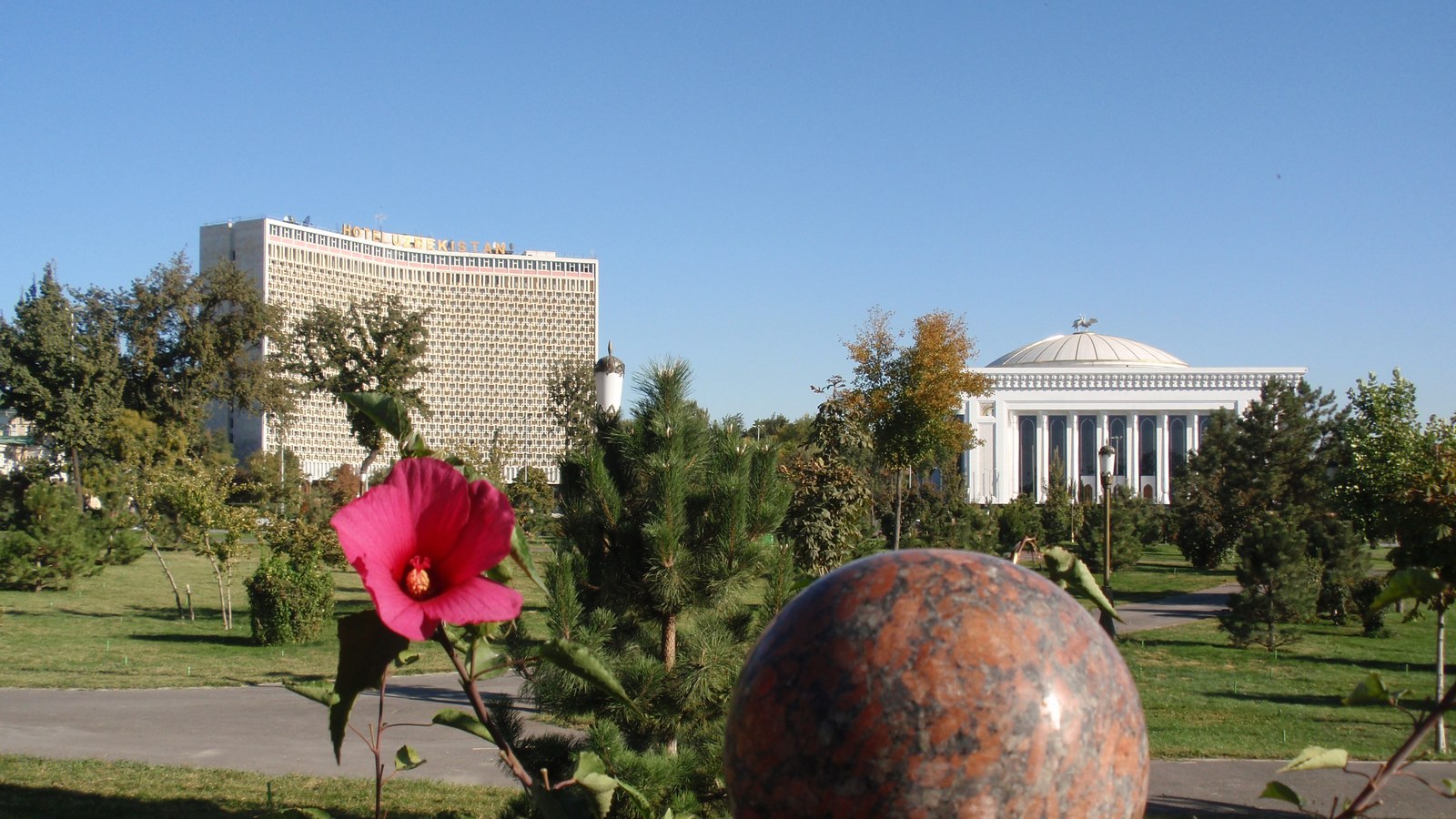
Image: Doris Ingeborg Lohse, Hotel Uzbekistan and Congress Palace, Amir Temur Square, Tashkent, 7 October 2012, CC BY-SA 4.0, Wikimedia Commons. Cropped to 16:9.
Source consulted: Tashkent Declaration. Treaty text: Tashkent Declaration, UNTS vol. 560, No. 8166.











0 Comments
No comments on this article yet. Be the first!