


On 1 October 1800, at San Ildefonso, General Alexandre Berthier and Mariano Luis de Urquijo signed the preliminary and secret treaty between the French Republic and His Catholic Majesty, concerning the aggrandizement of the Infant Duke of Parma in Italy and the retrocession of Louisiana. The dating clause is 9 Vendémiaire, Year IX. It is not the First Treaty of San Ildefonso of 1777 and not the Second, the alliance of 19 August 1796.
The preamble recites that the King of Spain has always sought an aggrandizement that would place the domains of his son-in-law, the Duke of Parma, on a footing more consonant with his dignity, while the Republic has long made known its desire to be again placed in possession of Louisiana. Article 1 binds France to procure for the Infant an increase of territory to one million inhabitants, with the title of King and all the rights of royal dignity, and to obtain the assent of the Emperor and of the other interested states, so that the Infant may be put in possession without opposition upon the peace with His Imperial Majesty.
Article 2 leaves the form of the aggrandizement open: Tuscany, if the negotiations with the Emperor permit; or the three Roman legations; or any other continental provinces of Italy which form a rounded state. Article 3: six months after the full and entire execution of the conditions regarding the Duke of Parma, Spain promises to retrocede to the Republic the colony or province of Louisiana, with the same extent that it now has in the hands of Spain, that it had when France possessed it, and such as it ought to be according to the treaties subsequently concluded between Spain and other states.
Article 4: the King will give the necessary orders for occupation by France as soon as the territories which are to form the Duke’s aggrandizement are placed in His Royal Highness’s hands. The Republic may postpone the taking of possession; when that is executed, the states interested will agree further conditions for the inhabitants. Article 5: one month after execution of the provision regarding the Duke of Parma, Spain will deliver, in Spanish ports in Europe, six ships of war in good condition built for seventy-four guns, armed and equipped and ready to receive French crews and supplies.
Article 6 provides a common cause if, because of the execution, the two states are attacked or threatened. Article 7 states that the present obligations derogate in no respect from the Treaty of Alliance signed at San Ildefonso on 2 Fructidor, Year 4, but unite anew the interests of the two powers. Article 8: ratifications are to be exchanged within one month, or sooner. Urquijo is a knight of the Order of Charles III and of St John of Jerusalem, ambassador extraordinary near the Batavian Republic and First Secretary of State ad interim.
It is not the Treaty of Aranjuez of March 1801, which confirmed the terms and opened the way to the Kingdom of Etruria, not Lunéville in February, not the effective delivery of October 1802 and not the sale of Louisiana to the United States in 1803. The Floridas are not in the text; Berthier’s demand was refused. It is not the Peace of Basel of 1795 and not Fontainebleau of 1762, when France had ceded Louisiana to Spain.
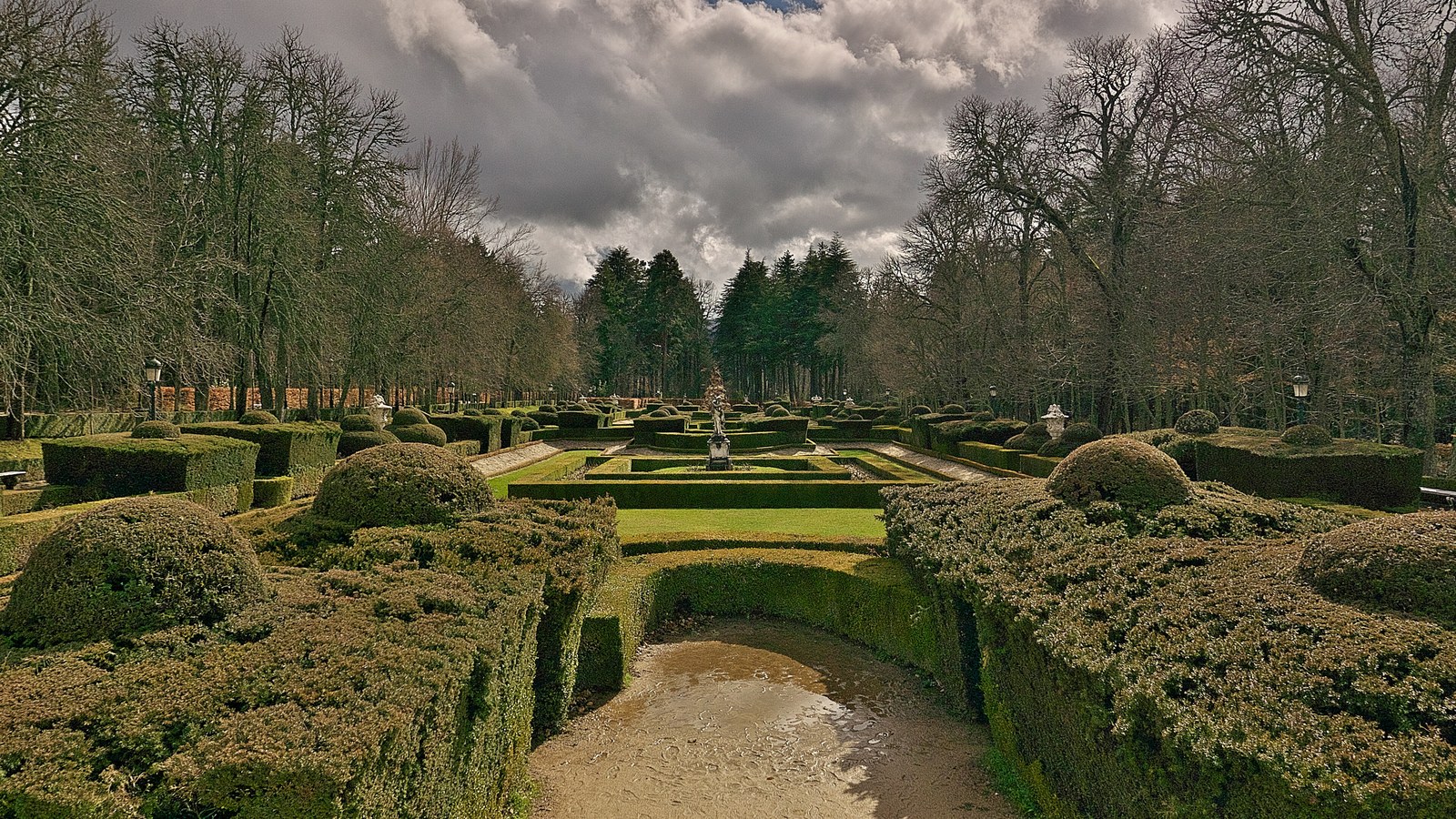
Parterre of Fame, Royal Palace of La Granja de San Ildefonso. Photo: Jl FilpoC, Wikimedia Commons, CC BY-SA 4.0.
For context: Third Treaty of San Ildefonso. The text: Treaty of San Ildefonso : October 1, 1800.











0 Comments
No comments on this article yet. Be the first!