


In Tiraspol, Ion Antonescu, Conducător of the Romanian state, issues Decree No. 1 establishing the Civil Administration of Transnistria. The instrument is dated 19 August 1941. It is not the German–Romanian understanding of Tighina of 30 August, and it does not annex the territory to Romania.
The setting is the exchange of letters between Adolf Hitler and Antonescu. On 14 August Hitler proposes that, once the lower Dnieper is reached, the Romanian general take over security between the Dniester and the Dnieper, and asks that Romania’s fast formations — the Cavalry Corps, the Mechanised Brigade and the Mountain Corps — cross, under German command, beyond the Dnieper. The meeting of 4 August, at Army Group South headquarters, had already announced the widening of the mission across the Dniester.
The reply of 17 August, in four points, accepts guard, order and security between the Dniester and the Dnieper, with the northern limit still to be drawn. Antonescu writes, however, that for want of means and trained organs, and because Bessarabia itself needs reconstruction, he will take on administration and economic exploitation only between the Dniester and the Bug. He asks for a single command: the rights of administration and exploitation between the Dniester and the Bug, and of security between the Dniester and the Dnieper, should rest entirely with him, without two authorities overlapping.
Decree No. 1 puts those limits on the map and names Professor Gheorghe Alexianu civil governor, with a provisional seat at Tiraspol. The governor is given full powers: he issues ordinances for administration, public order, the economy, justice and cultural life, and may call on the army. Transnistria does not, by this decree, become an annexed province; it remains occupied territory, administered separately from Bessarabia and the Old Kingdom.
Odessa, still being fought for, does not pass at once under the same civil rule. Only the Tighina understanding, signed on 30 August by Brigadier-General Nicolae Tătăranu for Romania and General Arthur Hauffe for Germany, details security, administration and economic use between the Dniester and the Bug (Transnistria) and between the Bug and the Dnieper. Tighina rests explicitly on the Führer’s letter of 14 August, the reply of 17 August and a note of the German military mission of 24 August.
At Tighina, Romania is responsible for security, administration and economic use of Transnistria; Germany, for administration and exploitation between the Bug and the Dnieper, with Romanian security. Railways and inland navigation in Transnistria remain, in principle, under the German transport command. Odessa, once taken, passes to the Romanians with German communications privileges. The text of 30 August does not say whether the civil hold is temporary or permanent.
Alexianu installs his apparatus at Tiraspol, then at Odessa after the city falls in October. Decree No. 3, of 4 October, likens him, in pay and representation, to a minister secretary of state and names him the commander-in-chief’s delegate. Romanian administration lasts until the spring of 1944. Under this regime Transnistria became the destination of Jews deported from Bessarabia and northern Bukovina, and of Roma; tens of thousands died of hunger, disease and executions.
The signature on Decree No. 1 is Antonescu’s. It is the internal act that, at Tiraspol, puts into force the understanding in the letters of 14 and 17 August; the military and economic details follow at Tighina eleven days later.
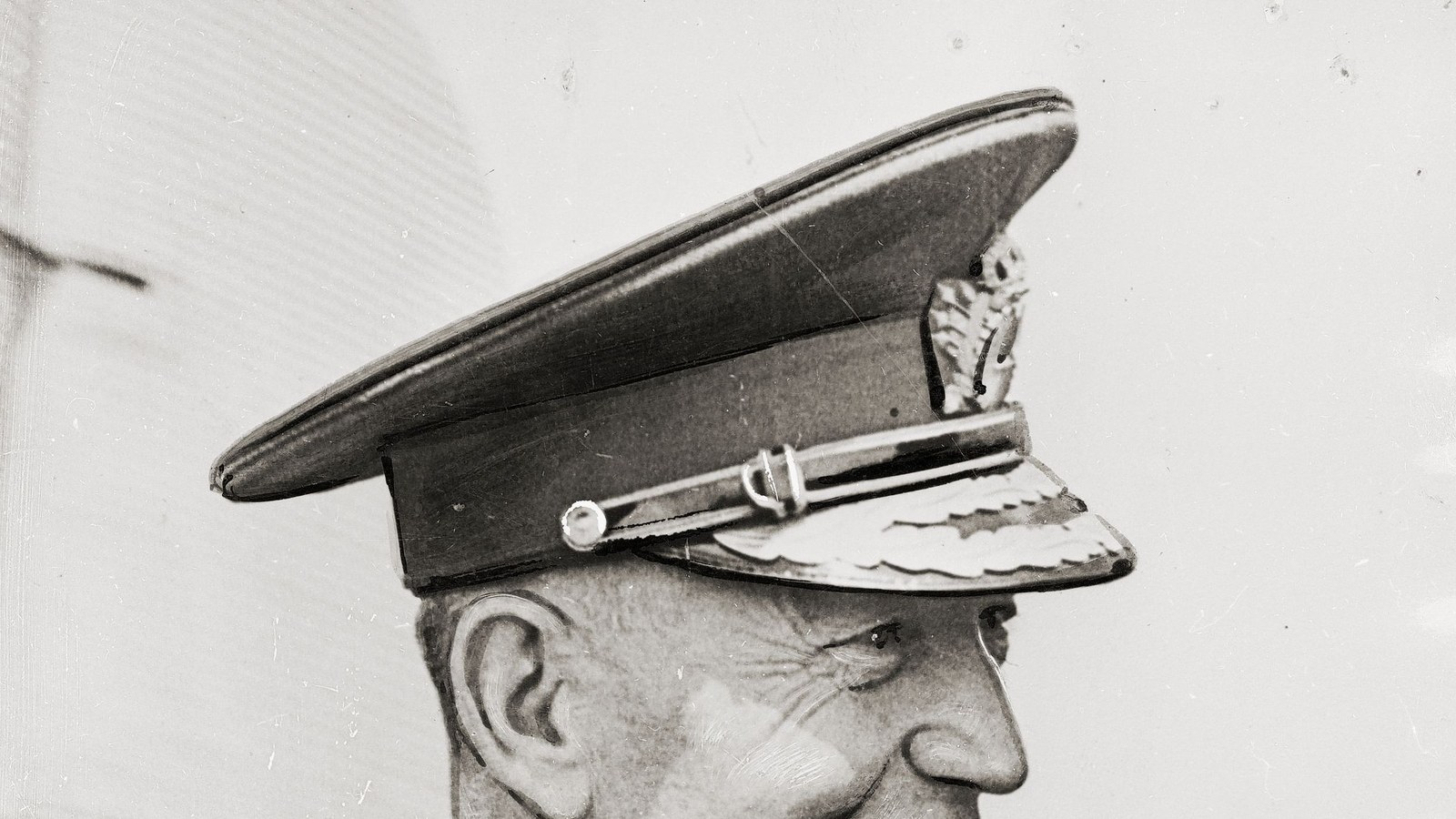
Image: Ion Antonescu, August 1941; public domain, Narodowe Archiwum Cyfrowe / Wikimedia Commons. Cropped to 16:9.
Source consulted: Tiraspol Agreement. Treaty text: Romanian civil administration in Transnistria: the letters of 14 and 17 August and Decree No. 1.











0 Comments
No comments on this article yet. Be the first!