


Prime Minister Vasile Tofan spent Saturday in Fălești and Ungheni, walking through three plants that, he said, show Moldovan industry can hold its own in Europe on quality rather than price. In Fălești, Idea Moda sews trousers for the German brand MEYER. At Kab-lem, wiring harnesses leave for Fiat, Peugeot, Chrysler, BMW and Audi. In Ungheni, Aedificator makes asphalt. The message was the same in every yard: European customers exist; workers and paperwork are the bottleneck.
Idea Moda is an Italian investment with 260 staff. It makes, according to the visit, more than 70% of the MEYER trousers sold worldwide and is widening the line toward new clients, including Moncler. Founder Dario Fasson told Tofan that Moldova cannot match Asia or the Maghreb on price and volume. It wins on quality. The firm welcomes the zero tax on reinvested profit. To grow, it needs people. Hiring remains the main obstacle.
At KABLEM-MLD-IT the talk turned to competition with Tunisia, where wages are, Tofan said, half as high. Even so, of six million harnesses made last year the plant logged a single complaint. The premier dwelt on local discipline and engineering. Then he offered a bureaucracy that irritates him: for someone to work on Saturday, each employee must file an individual request. Of four people in human resources, three spend their time on reports and paper. “We have something to simplify here.”
Tofan also mentioned Mercedes and the Audi-Volkswagen group in his public remarks. The client list he cited at Kab-lem is tighter: Fiat, Peugeot, Chrysler, BMW and Audi. The distinction matters. The tour shows where work is done for European marques; it does not mean one factory covers every name in the opening line.
The Ungheni stop was local, not for export. Aedificator runs an asphalt plant of 160 tonnes an hour and wants to quadruple concrete output, to 120 cubic metres an hour. It is also preparing mixes that stand up better to freeze-thaw cycles and summer heat. Tofan ties those investments to roads that last longer and cost less to keep.
After the three stops the premier summed up the shared needs: skilled labour, room to invest, and less red tape. “This is where we have to do our job.” He added that industry has grown 7.7% this year — a decent result, he said, in a hard international climate, but not enough unless the pace picks up. The figure is the government’s, not an independently checked statistic in this report.
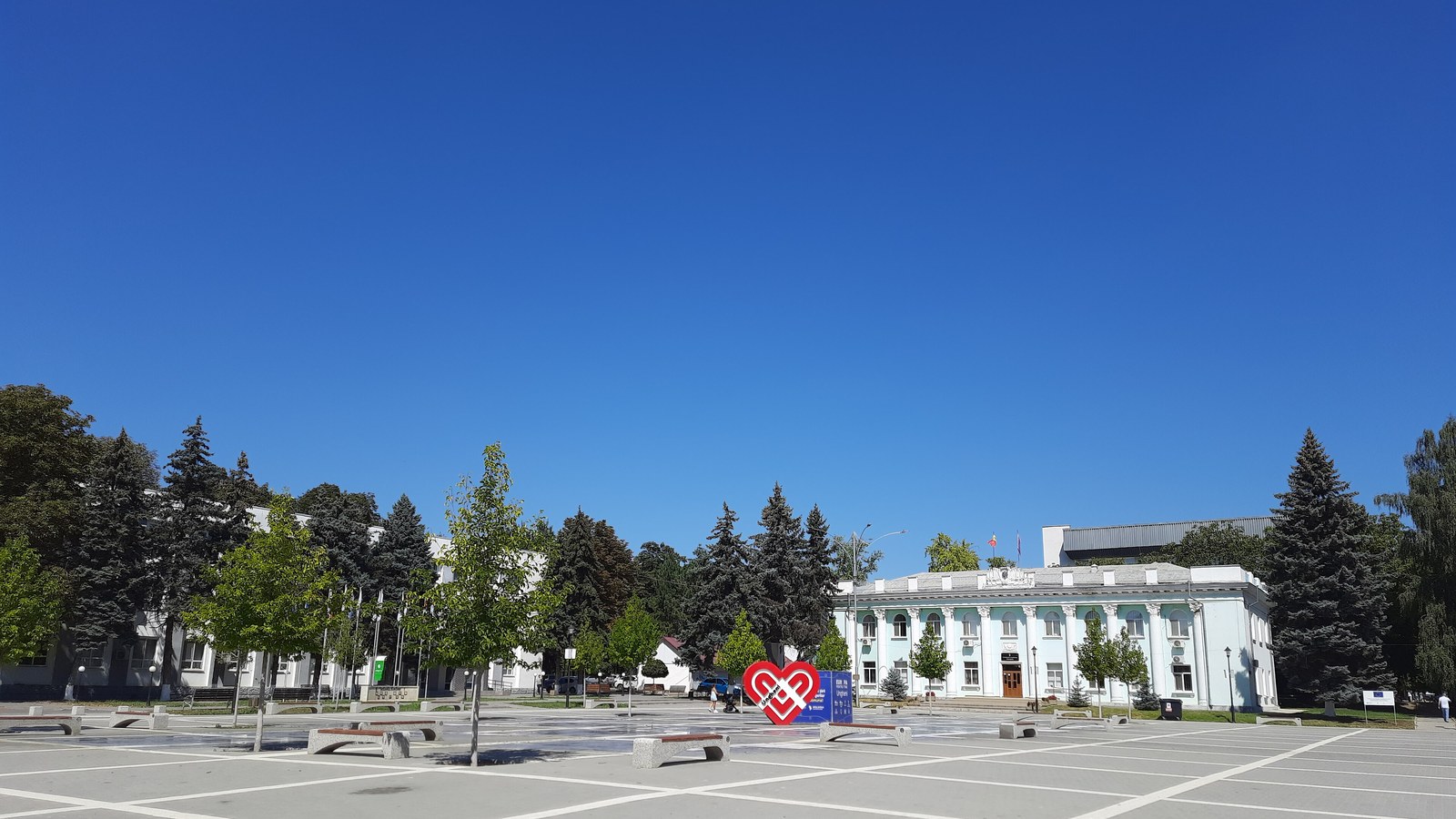
Image: Gikü, Independence Square, Ungheni, 23 August 2024, CC0, Wikimedia Commons. The photograph shows the town centre, not the plants the premier visited.
Sources consulted: Pantaloni pentru MEYER și cablaje pentru BMW și Audi, fabricate în R. Moldova — Ziar.md; PM visits factories in Fălești and Ungheni — Moldpres.











0 Comments
No comments on this article yet. Be the first!