


On 20 October Transelectrica discussed in Botoșani the status of two investments in northern Moldova: the Romanian stretch of the 400 kV Suceava–Bălți overhead line and the 400/110 kV Botoșani Sud substation. The company’s press release is dated the same day. This is administrative progress: paperwork filed and expropriation under way, not a line already being built and not a substation already standing.
Ștefăniță Munteanu, chairman of the directorate, filed the building-permit file for the Botoșani stretch at the county council on Tuesday. AGERPRES reported that a similar file was due at the Suceava authorities the next day. Filing a dossier is not a start-work order.
On Romanian territory the line is 93.3 kilometres long and crosses 17 administrative units: six in Suceava County and 11 in Botoșani County. The design-and-build contract is worth 133.4 million lei excluding VAT. That figure is for the Romanian stretch, not the whole interconnection through to Bălți.
The contract was signed on 11 March 2025 with the Electromontaj SA – ELM Electromontaj Cluj SA consortium, led by Electromontaj SA. The contractual execution period is 36 months, counted from the contractual stages, not from the Botoșani meeting. Until a start order, those 36 months are not running as a construction site.
Government Decision no. 271 of 23 April 2026 declared the project of national importance, approved the site and opened expropriation. The company says works could start at the latest at the beginning of 2027, after further expropriation and building permits. That is a calendar estimate, not a ribbon-cutting date.
The Botoșani Sud substation would be created by sectioning the Suceava–Bălți line and would include a 110 kV connection station in the Bălușeni area. It would be the first 400/110 kV transformer station in Botoșani County, to move power from the transmission grid into the distribution grid. That is the designed function, not a plant already in service.
The company presents the line as an interconnection between the Romanian and Moldovan systems, as support for Moldova’s integration into ENTSO-E, and as a step toward closing Romania’s 400 kV ring. Those are expected benefits, not measured results. This article does not cover the 400 kV Gădălin–Suceava line, a different project, even though some reports bundled the two.
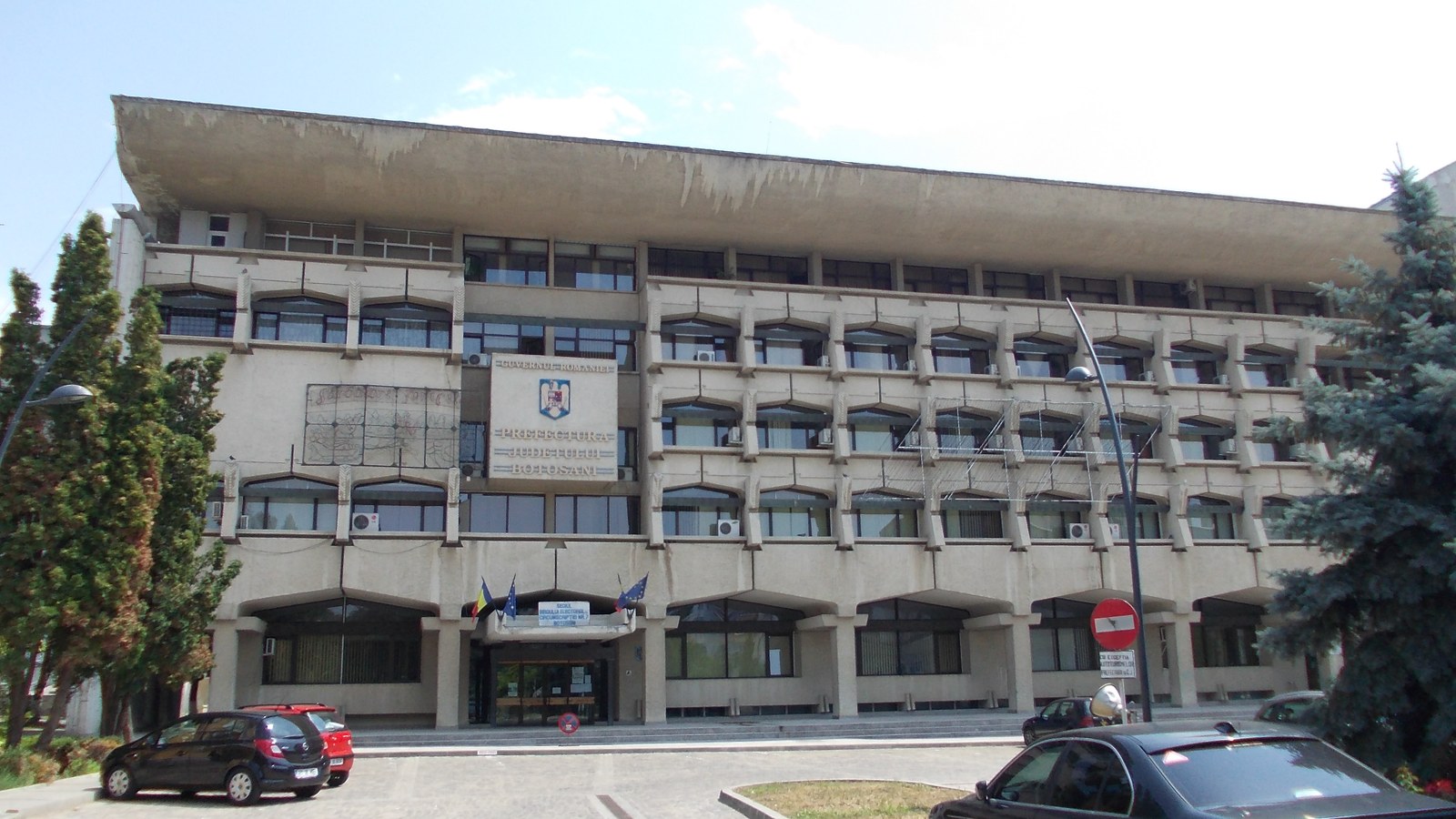
Image: Bogdan29roman, Botosani Prefecture, 15 July 2012, CC BY-SA 3.0, Wikimedia Commons; the 2012 prefecture building, not a photograph of the Suceava-Balti line and not a 2026 worksite.
Sources consulted: Transelectrica avanseaza cu doua investitii pentru infrastructura energetica din Moldova - Focus Energetic; Transelectrica press release, 20 October 2026 - 400 kV Suceava-Balti overhead line.











0 Comments
No comments on this article yet. Be the first!