


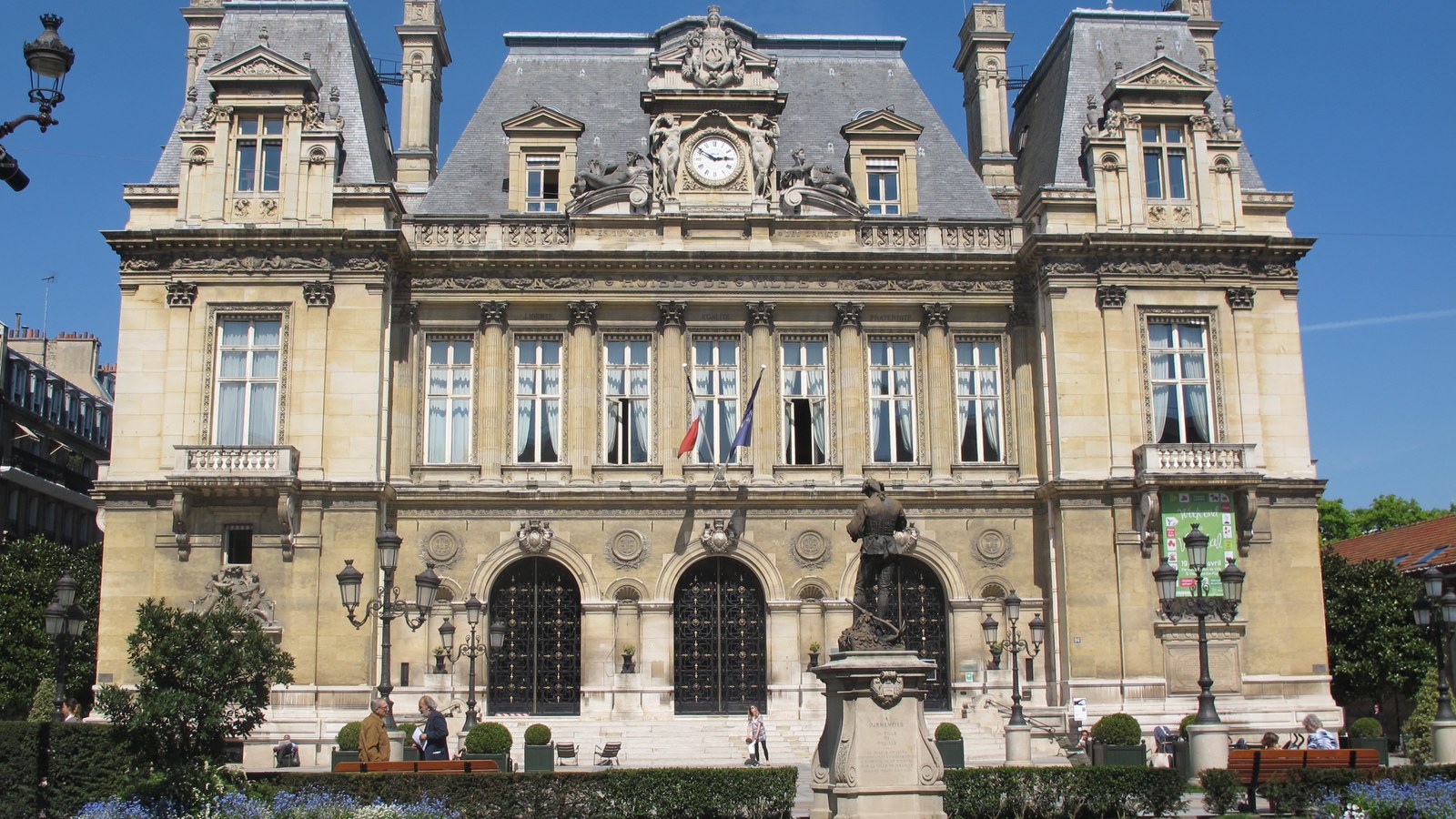
On 27 November 1919, in the Hall of Festivals of the town hall at Neuilly-sur-Seine, the plenipotentiaries of the Allied and Associated Powers and of Bulgaria signed the Treaty of Peace between the Allied and Associated Powers and Bulgaria, together with a protocol. The session was presided over by Georges Clemenceau. For Bulgaria, Aleksandar Stamboliiski, President of the Council, signed. A single copy, deposited in the archives of the French Republic. French, English and Italian; in case of divergence the French text prevails, except in Parts I (Covenant of the League of Nations) and XII (Labour), where French and English are of equal force. A first procès-verbal of the deposit of ratifications is drawn up when the Treaty has been ratified by Bulgaria and by three of the Principal Allied and Associated Powers. General entry into force: 9 August 1920. The United States signed but did not ratify.
The preamble: the armistice of 29 September 1918; hostilities opened by Bulgaria against Serbia on 11 October 1915. The Principal Powers: the United States of America, the British Empire, France, Italy and Japan. With them, among others: Belgium, China, Cuba, Greece, the Hedjaz, Poland, Portugal, Roumania, the Serb-Croat-Slovene State, Siam and Czecho-Slovakia. Of the other part: Bulgaria. From the coming into force of the Treaty the state of war terminates.
Article 27 fixes the frontiers. On the west, with the Serb-Croat-Slovene State, a new line to be fixed on the ground from the confluence of the Timok and the Danube to Tumba on the Belashitza Planina, the junction of the three frontiers with Greece. Article 36 recognises the Serb-Croat-Slovene State; Article 37: Bulgaria renounces in its favour all rights and title over territories of the Bulgarian Monarchy outside the new frontiers. With Greece, Article 27(2) keeps the 1913 frontier; Article 42: renunciation in favour of Greece over territories recognised as forming part of Greece. On the north, with Roumania, from the Black Sea to the Danube, the frontier existing on 1 August 1914.
Article 48: Bulgaria renounces in favour of the Principal Allied and Associated Powers all rights and title over the territories in Thrace which belonged to the Bulgarian Monarchy, lie outside the new frontiers and have not yet been assigned to any State. The Principal Powers undertake to ensure Bulgaria’s economic outlets to the Aegean Sea; the conditions of that guarantee are to be fixed later. At the same sitting the Greek and Bulgarian plenipotentiaries signed a separate convention on reciprocal emigration.
Article 65: universal compulsory military service shall be abolished in Bulgaria; the army shall be recruited by voluntary enlistment. Article 66: the total number of military forces shall not exceed 20,000 men, including officers and depot troops; employment exclusively for the maintenance of order within Bulgarian territory and for the control of the frontiers. Article 121: 2,250,000,000 gold francs, accepted as the reparation Bulgaria is able to make; half-yearly payments, with a sinking fund to extinguish the amount in 37 years from 1 January 1921, remitted through the Inter-Allied Commission to the Reparation Commission created by the Treaty of Peace with Germany.
Town hall of Neuilly-sur-Seine. The place of signature, the Hall of Festivals. Wikimedia Commons, CC BY-SA 3.0.
For context: Treaty of Neuilly-sur-Seine. The text: Treaty of Neuilly.











0 Comments
No comments on this article yet. Be the first!