


The Treaty on the Non-Proliferation of Nuclear Weapons was opened for signature in London, Moscow and Washington on 1 July 1968, in triplicate, the English, Russian, French, Spanish and Chinese texts being equally authentic. Depositaries: the Governments of the United Kingdom, the Soviet Union and the United States. It enters into force after ratification by the three depositaries and forty other signatory States, and the deposit of their instruments; it entered into force on 5 March 1970. UNTS 10485, volume 729. It is not the 1963 Partial Test Ban Treaty, nor the CTBT, nor Pelindaba.
Article I: each nuclear-weapon State Party undertakes not to transfer nuclear weapons or other nuclear explosive devices, or control over them, and not to assist a non-nuclear-weapon State to manufacture or otherwise acquire them. Article II: each non-nuclear-weapon State Party undertakes not to receive such a transfer, not to manufacture or otherwise acquire such weapons or devices, and not to seek or receive assistance for that purpose. Manufacturing methods are not described.
Article III: non-nuclear-weapon States accept IAEA safeguards solely to verify fulfilment of the Treaty, with a view to preventing diversion of peaceful nuclear energy. Article IV recognises the inalienable right to research, production and use of nuclear energy for peaceful purposes, without discrimination and in conformity with Articles I and II. Article V provides, at framework level, non-discriminatory access to potential benefits of peaceful nuclear explosions. Article VI: good-faith negotiations on cessation of the nuclear arms race, nuclear disarmament, and a treaty on general and complete disarmament under international control.
Article VII leaves intact the right of any group of States to conclude regional treaties assuring the total absence of nuclear weapons in their territories. Article VIII: amendments through a conference convened at the request of one-third of the Parties; a review conference in Geneva five years after entry into force, and thereafter at five-year intervals. Article IX: open to all States; accession at any time after entry into force. For the Treaty, a nuclear-weapon State is one which has manufactured and exploded a nuclear weapon or other nuclear explosive device prior to 1 January 1967. Registration with the United Nations under Article 102 of the Charter.
Article X: withdrawal on three months’ notice to the other Parties and to the Security Council, if extraordinary events related to the subject matter of the Treaty have jeopardized the supreme interests of the country. Twenty-five years after entry into force, a conference shall decide whether the Treaty continues indefinitely or for additional fixed periods; the 1995 conference decided that it should continue in force indefinitely.
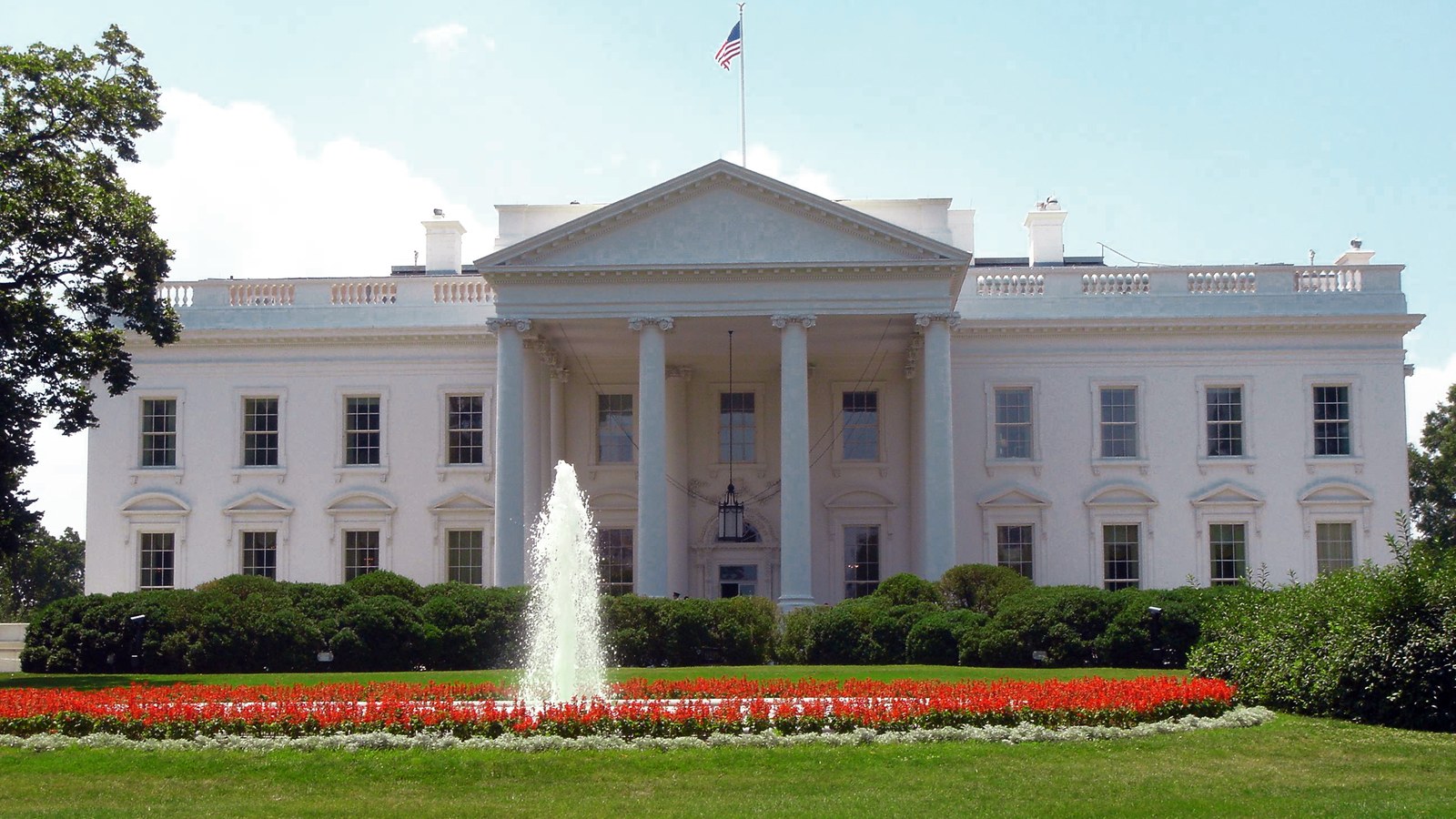
Cover: the White House façade, one of the three opening venues; we do not claim the signing room. Wikimedia Commons, free licence.
Sources consulted: Treaty on the Non-Proliferation of Nuclear Weapons; UNTS 10485, Treaty on the Non-Proliferation of Nuclear Weapons.











0 Comments
No comments on this article yet. Be the first!