


At Baden, in Aargau, France and the Holy Roman Empire sign the peace that closes, for the Reich, the War of the Spanish Succession. The date of the instrument is 7 September 1714. It is not Utrecht of 11 April 1713, and it is not Rastatt of 6 March 1714, where Marshal Villars and Prince Eugene had already made peace between the king and the emperor.
From May, François-Charles, Comte du Luc, and Dominique de Barbarie, Sieur de Saint-Contest, work at Baden opposite Peter, Count of Goëss, and Johann Friedrich, Count Seilern. The Duke of Villars and Prince Eugene of Savoy, the principal plenipotentiaries, join them only shortly before the signing. The French write in French; the Empire’s correspondence with a foreign power is in Latin.
Article 1: the peace of Rastatt remains constant and universal; between the parties, true friendship, with no aid to enemies, rebels or refractory subjects. Article 2 takes Westphalia, Nijmegen and Rijswijk as its foundation and requires that, in the Reich, the state of affairs be that prescribed at Rijswijk.
Alt-Breisach, on the right bank of the Rhine, returns with its dependencies to the emperor and the House of Austria; what lies on the left bank, in Alsace, remains with France. Freiburg, with Lelen, Merzhausen and Kirchzarten, and the archives, is restored, without prejudice to the diocesan right of the Bishop of Constance. Kehl reverts to the emperor and the Reich; Fort Louis remains with France. Landau, with Nußdorf and the neighbouring villages, remains with the French crown.
Restitution, with guns and ammunition, is made within thirty days of the exchange of ratifications. The works on the right bank, the bridges toward Hüningen and Sellingen, are demolished at the king’s expense. Bitsch and Homburg are evacuated, with the works razed. Major works within two months of ratification; minor ones within one.
The electors of Bavaria and of Cologne recover their territories and rank. The separate article, signed before the rest, leaves Charles VI, in his great title, the lands lost at Utrecht to Philip V: the use of the title is no prejudice; the facts remain with Philip.
It is the first international agreement signed in the Swiss Confederacy. The Baden separate articles, two paper leaves with six lacquer seals, stand in the Haus-, Hof- und Staatsarchiv in Vienna, series AUR 1714 IX 7.
It is not Rastatt and it is not Utrecht. The signatures at Baden are Villars’s and Eugene’s, on a text that brings the Reich into the peace already written in March.
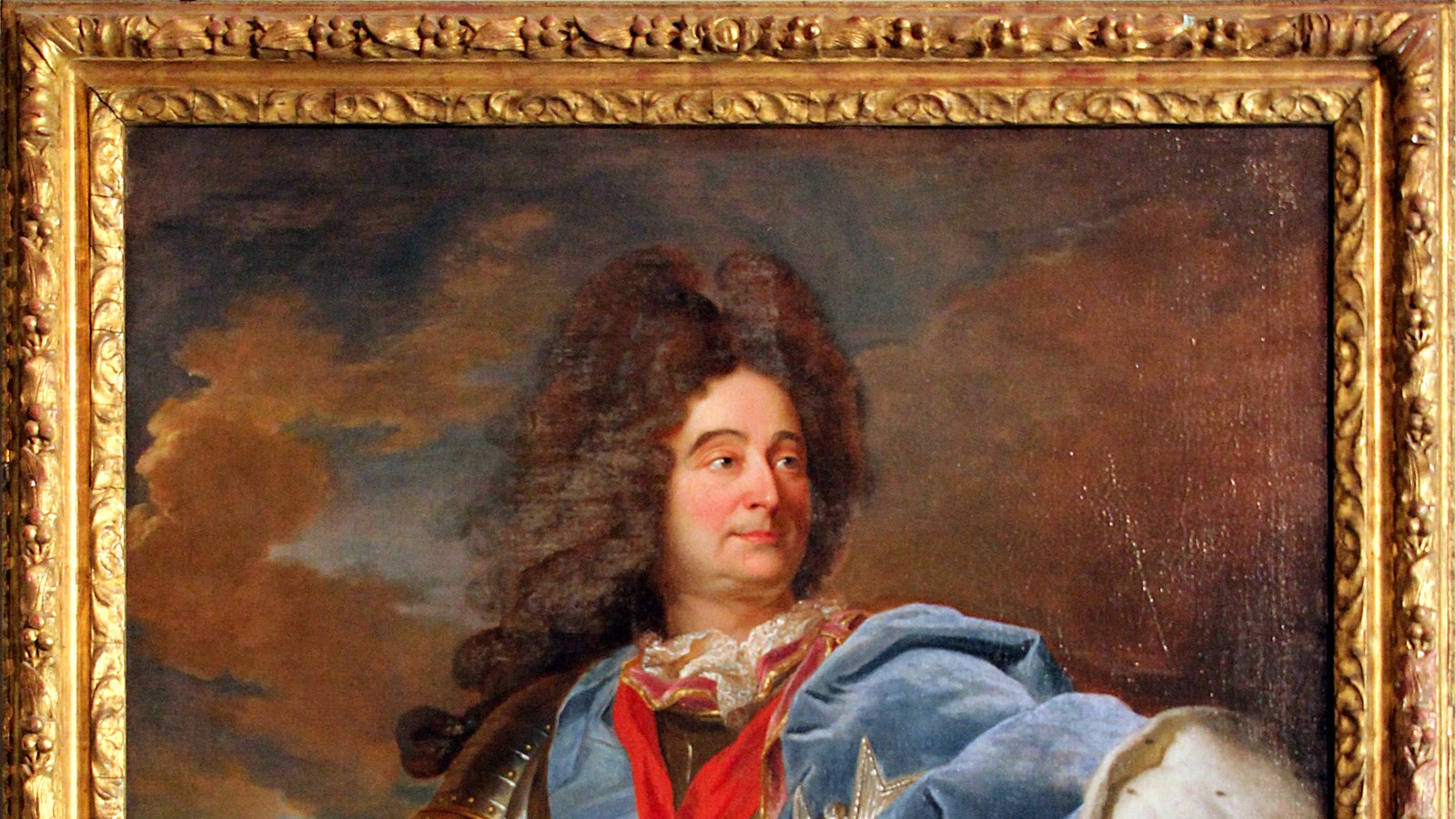
Image: Claude-Louis-Hector de Villars; Hyacinthe Rigaud, 1704; public domain, Wikimedia Commons. Cropped to 16:9.
Source consulted: Treaty of Baden (1714). Treaty text: Traité de paix conclu à Bade le 7 septembre 1714 (Paris, Fournier, 1714).











0 Comments
No comments on this article yet. Be the first!