


The Lords of the Congregation wanted the French out of Scotland and a reformed church. The regent was Mary of Guise; her daughter, Mary Stewart, seventeen, was wife of Francis II. Their leader, the Duke of Châtellerault, a former regent, is named in the text “second person”, meaning heir after Mary. Ambassador Nicholas Throckmorton urged Elizabeth I to back them: Ireland, a stable alliance, a cut in the old bond with France. William Winter’s fleet was already in the Firth of Forth.
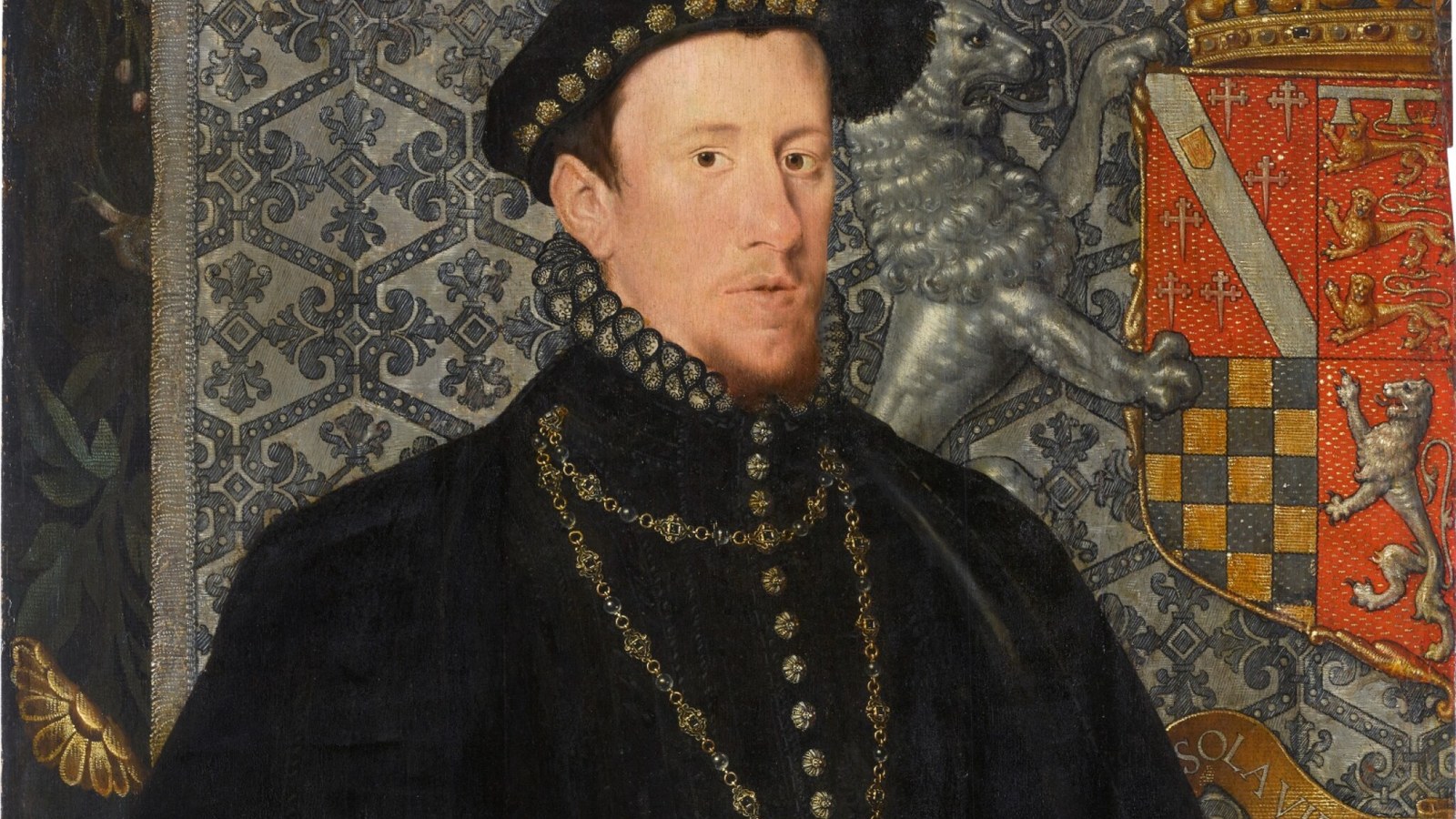
At Berwick-upon-Tweed, Thomas Howard, Duke of Norfolk, earl marshal and the queen’s lieutenant in the north, spoke for England. For Scotland: James Stewart (later Earl of Moray), Patrick Lord Ruthven, Sir John Maxwell of Terregles, William Maitland younger of Lethington, John Wishart of Pitarrow and Henry Balnaves of Halhill, in the name of Châtellerault and the other lords. The treaty was made on 27 February 1560 — in the text, 27 February 1559, because the year began on 25 March.
Elizabeth takes Scotland into her protection, for the term of Mary’s marriage to the French king and one year after, to keep it from conquest. She will send, with all speed, horse and foot, artillery and munition, by sea and land, until the French are wholly expelled. She will not settle with France unless Scotland is left free. Forts taken from the French are to be demolished at once by the Scots or delivered to the duke. The English will not fortify on Scottish ground without the estates’ advice. The lords will aid the army with men, victuals and all they have.
Enemies of England are enemies of both. Scotland shall be no further knit to the crown of France than by Mary’s marriage, under the laws of the realm. If the French invade England, the Scots furnish at least two hundred horse and a thousand foot, at Elizabeth’s charge; north of the Tyne or against Berwick they come with their whole force for thirty days. The Earl of Argyll will help English rule in the north of Ireland. Hostages, sons of earls and barons, remain in England for the marriage and a year after: Claud Hamilton (fourteen), Alexander Campbell, Robert Douglas, James Cunningham, George Graham (five), Archibald Ruthven (fourteen). At Newcastle by 10 April 1560.
The text says plainly that due obedience to Mary or her husband is not withdrawn, so long as France does not overthrow the ancient liberties. John Knox put the whole contract into his History of the Reformation, so posterity might judge whether the lords had failed their duty. Michael Lynch called it an astonishing document which mentioned many things but not religion. Mary of Guise wrote to the Guise brothers on 27 March that she never saw anything so shameful as the articles.
Baron Grey de Wilton’s army left Berwick, camped on 27 March at Halidon Hill and met the Scots on the 31st at Aitchison’s Haven. The siege of Leith lasted until July, after Mary of Guise’s death and the Treaty of Edinburgh: the French works at Leith, Dunbar and Eyemouth come down, French and English go home. Thirty lords sealed Berwick in the camp before Leith on 10 May 1560. The Reformation Parliament in August ratified it; Maitland praised Elizabeth’s goodwill.
William Ferguson later said historians had inflated its weight: the army was not widely welcomed and failed to storm Leith. Cecil wrote on 22 March that French bravery would cool, for at home they had enough trouble with religion and governance. Richard Maitland, as early as 20 January, noted that France was not so calm as men thought, and the Empire was asking for Metz, Toul and Verdun. The fleet and the army came all the same; the old alliance broke on the ground.
Sources: Treaty of Berwick (1560); Wikisource, Treaty of Berwick.











0 Comments
No comments on this article yet. Be the first!