


On 27 December 1846 John C. Frémont raised the American flag at a deserted Santa Barbara. Bernarda Ruiz de Rodriguez, the town matriarch, with four sons on the Mexican side, asked for ten minutes and kept two hours: a peace with Andrés Pico’s pardon, the release of prisoners, equal rights and respect for property. Frémont wrote that she wanted “just and friendly terms of compromise”. On 8 January 1847 he reached San Fernando. On the 10th Robert F. Stockton and Stephen W. Kearny retook Los Angeles, after the San Gabriel River and La Mesa. José María Flores, appointed governor by the territorial assembly, left for Mexico on 11 January and handed command to Pico.
The Articles of Capitulation made and entered into at the Rancho of Cahuenga were signed on 13 January 1847, at Campo de Cahuenga, the north end of the pass, in Tomás Feliz’s adobe. Frémont’s commissioners: Major P. B. Reading, Louis McLane Jr. of the artillery, Wm. H. Russell. Pico’s commissioners: José Antonio Carrillo, cavalry commander, and Agustín Olvera, deputy. Carrillo drafted the text in English and Spanish. Frémont signed as lieutenant-colonel of the United States Army and military commandant of California; Pico as commander of the national forces in California. Kearny and Stockton, his superiors, did not know. Washington and Mexico City had not authorised it. The next day the California Battalion entered Los Angeles in a rainstorm; Stockton approved, on the 15th, in a message to the Secretary of the Navy.
Article 1 surrenders the artillery and public arms; the Californios return home, conform to the laws of the United States and do not take up arms again during the war. Article 2 guarantees life and property. Article 3 waives the oath of allegiance until a treaty of peace between the United States and Mexico. Article 4 permits leaving the country. Article 5 gives the same rights as citizens of the United States. Article 6 extends the protection to officers, citizens and foreigners. Article 7 does not bar future arrangements. An additional article, signed at Ciudad de Los Angeles on 16 January, cancels paroles and releases prisoners. Two cannon were surrendered: the howitzer taken from Kearny at San Pasqual and the Old Woman’s Gun, from Dominguez Ranch.
The Treaty of Guadalupe Hidalgo, 2 February 1848, ceded Alta California. Pico became an American citizen, then an assemblyman and a state senator for Los Angeles. Fighting in California stopped here, though the national war lasted another year.
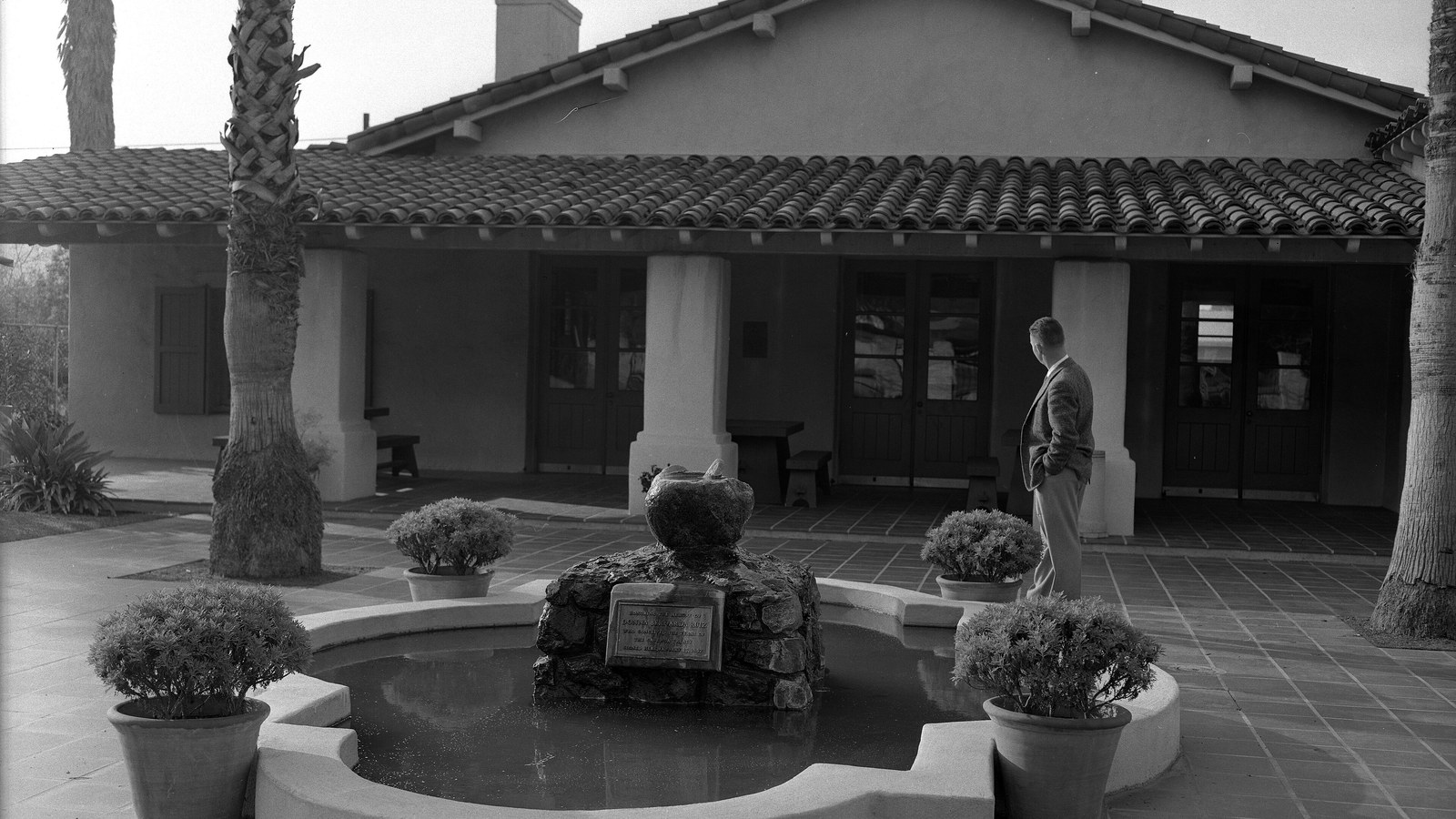
The photograph of Campo de Cahuenga, published by the Los Angeles Times under CC BY 4.0, shows the adobe site where the articles were signed.
The capitulation was a local armistice, honoured at once by the population and, later, by both governments. It ended the conquest of California without a premature oath of allegiance.
Sources: Treaty of Cahuenga; California Military Museum, The Treaty of Campo de Cahuenga.











0 Comments
No comments on this article yet. Be the first!