


In Córdoba, Veracruz, Agustín de Iturbide, first chief of the Army of the Three Guarantees, and Juan O'Donojú, lieutenant-general of the armies of Spain, appointed captain-general and jefe político superior of New Spain, sign a treaty in seventeen articles. The instrument is dated 24 August 1821. It is not the Plan of Iguala of February, and it is not the Grito de Dolores of 1810.
The Plan of Iguala, of 24 February, had already demanded the independence of New Spain, the Catholic religion and the union of Americans with Europeans, under a constitutional monarchy. O'Donojú lands at Veracruz when the capital is under siege and only Veracruz and Acapulco, weakly held, remain to the European government. He invites the meeting in order to loosen, without breaking, the ties between the two shores.
Article 1 recognises this America as a sovereign and independent nation, to be called the Mexican Empire. Article 2 sets a monarchic, constitutional, moderate government. The crown is offered first to Ferdinand VII, then in turn to the infantes Carlos and Francisco de Paula and to Carlos Luis, formerly heir of Etruria, now of Lucca; if all refuse, the Cortes of the Empire designate the person. The court is fixed at Mexico, the capital.
O'Donojú names two commissioners to carry to Madrid a copy of the treaty and a memorial for the king. A Provisional Junta of Government is installed at once, in the spirit of the Plan of Iguala. O'Donojú himself is a member of the junta. The junta elects a president and names a three-person regency, which holds the executive in the monarch's name until the throne is filled.
Until the Cortes assemble, the junta may legislate in urgent cases, in concert with the regency, and advise it. Inhabitants — Europeans in New Spain and Americans in the Peninsula — may leave with their property, paying the duties; public servants hostile to independence must quit the empire. Article 17 requires the evacuation of the capital by the peninsular troops without bloodshed; O'Donojú undertakes to obtain it by an honourable capitulation.
The Army of the Three Guarantees enters Mexico City on 27 September. The next day the Act of Independence of the Mexican Empire is made known. The Extraordinary Cortes at Madrid, in the sitting of 13 February 1822, declare the treaty illegal, null and of no effect as regards the Spanish government and its subjects: O'Donojú had no mandate to recognise independence.
Ferdinand VII does not come. The Mexican Congress proclaims Iturbide emperor on 18 May 1822. The monarchy lasts little. After the Plan of Casa Mata, Congress, on 8 April 1823, says that the nation was not bound, without its consent, to the form of government in the Plan of Iguala and the Treaty of Córdoba, and may constitute itself as it sees fit.
The signatures on the instrument are Iturbide's and O'Donojú's; the authentic copy is certified by José Domínguez, in the town of Córdoba. It is not the Treaty of Guadalupe Hidalgo of 1848.
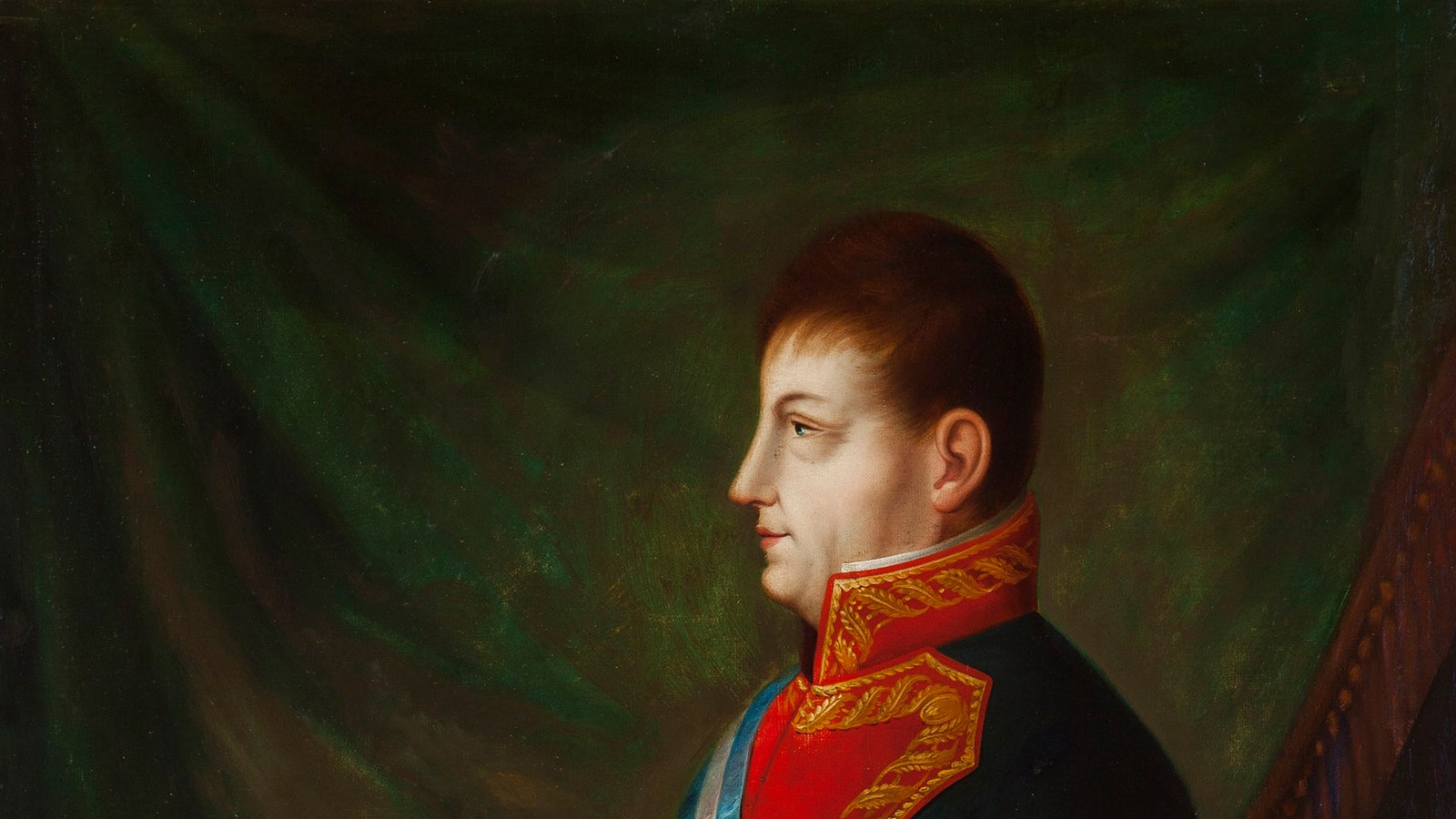
Image: Juan O'Donojú, 1821; anonymous oil, Antiguo Palacio del Ayuntamiento; public domain, Wikimedia Commons. Cropped to 16:9.
Source consulted: Treaty of Córdoba. Treaty text: Treaties of Córdoba, 24 August 1821 (text, UNAM).











0 Comments
No comments on this article yet. Be the first!