


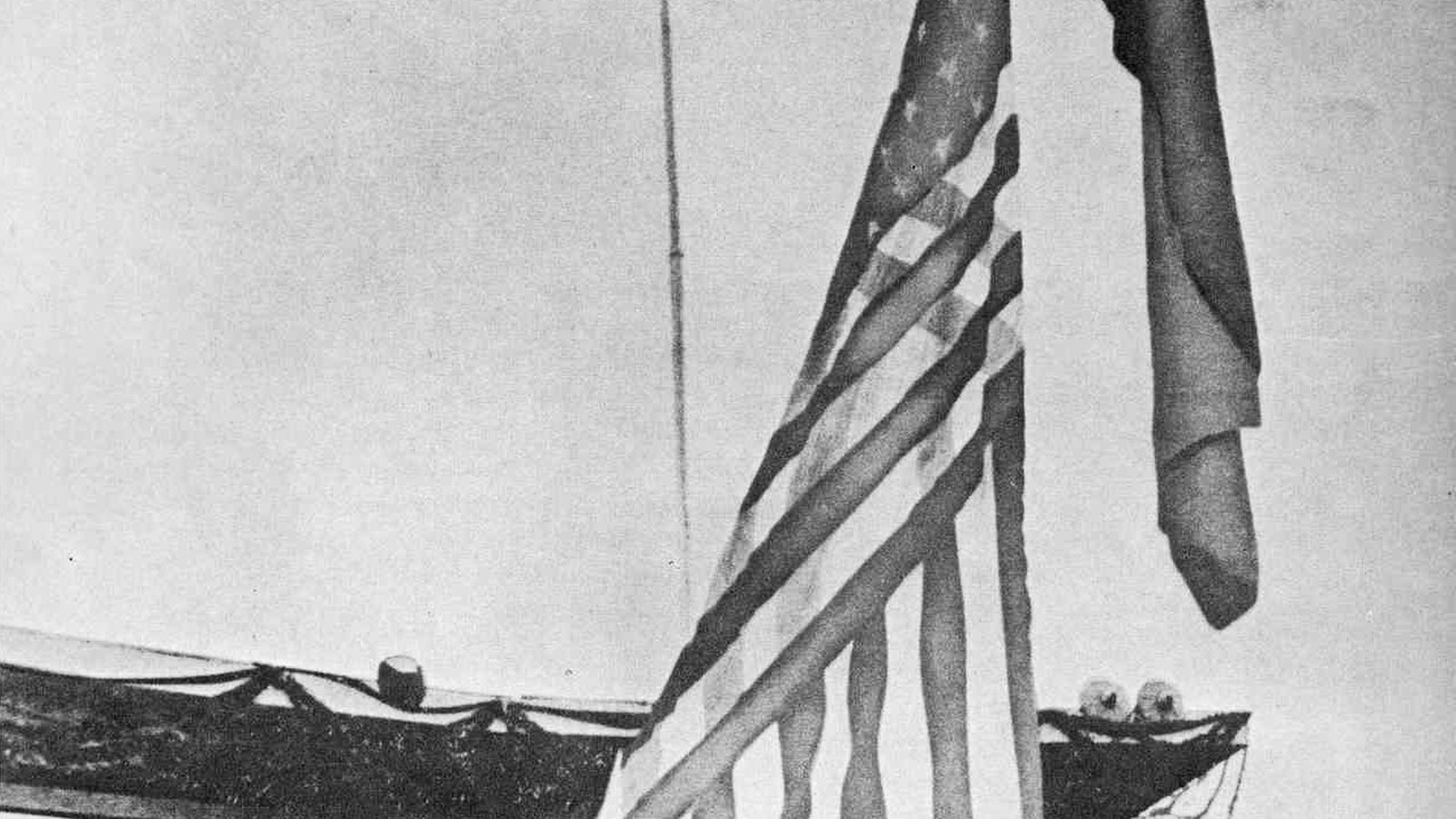
The Treaty of General Relations between the United States and the Republic of the Philippines was signed in Manila on 4 July 1946, the official text being English. Signatories: Paul V. McNutt, for Washington, and Manuel Roxas, for Manila. It enters into force on the exchange of instruments of ratification, deposited at Manila: 22 October 1946. UNTS 88, volume 7, with Protocol. It is not the 1898 Treaty of Paris, by which Spain ceded the archipelago, nor the later bases agreement.
The preamble provides for recognition of the independence of the Republic of the Philippines as of the date of signature and the relinquishment of American sovereignty over the Islands. Article I: the United States withdraws and surrenders all right of possession, supervision, jurisdiction, control or sovereignty, except the use of such bases, necessary appurtenances and rights incident thereto as it may, by agreement, deem necessary to retain for mutual protection — without a bases itinerary. It recognizes the independence of the Republic as a separate self-governing nation, under the Constitution of the Republic of the Philippines.
Article II: diplomatic and consular privileges under generally recognized international law; treatment not less favorable than that accorded similar officers of any other foreign country. Article III: pending establishment of the Philippine Foreign Service, the United States will endeavor, at the request of the Philippines and so far as practicable, to represent Philippine interests where there is no Philippine representation; such arrangements may be terminated when either country judges them no longer necessary. Article IV: the Philippines assume the valid and subsisting debts of the Philippine Islands, its provinces, cities and municipalities; bonds issued prior to 1 May 1934 under an Act of Congress of the United States shall be a first lien on taxes collected there.
Article V: cases pending before the Supreme Court of the United States under Section 7 (6) of the Independence Act of 1934 remain subject to review until disposed of; thereafter that Court ceases to have the right of review of cases originating in the Islands. Article VI: claims and property rights shall be promptly adjusted; existing property rights of citizens and corporations of each Party shall be acknowledged, respected and safeguarded to the same extent. Article VII: the Philippines assume the continuing obligations of the United States under the treaties with Spain concluded at Paris (1898) and Washington (1900).
The Protocol: the Treaty is for recognizing independence and maintaining close relations; it does not regulate the details of mutual defense, property claims or citizens’ rights. It does not exclude further treaties and executive agreements. Pending ratification, Articles II and III shall be observed by executive agreement (Quirino–McNutt notes of 10 and 12 July, effective as of the date of signature).
Cover: the independence ceremony in Manila; we do not claim the signing room. Wikimedia Commons, free licence.
Sources consulted: Treaty of Manila (1946); Treaty of General Relations between the Republic of the Philippines and the United States of America.











0 Comments
No comments on this article yet. Be the first!