


At the Abbey of Haddington, on 7 July 1548, the parliament of Mary, Queen of Scots, held by James Hamilton, Earl of Arran, governor of the realm, with the Three Estates present, received the request of André de Montalembert, sieur d'Essé, lieutenant of the navy and army sent by Henry II of France. Henri Cleutin, sieur d'Oysel, ambassador, confirmed it. Mary of Guise, the queen’s mother, was present. Henry II and the child Mary did not sign.
The Treaty of Haddington is not the Treaties of Greenwich of 1543, which promised Mary to Prince Edward, nor the wedding at Notre-Dame of 24 April 1558, nor the Treaty of Edinburgh of 1560. The town of Haddington had been held by the English since February; the abbey stood outside the walls, at the siege later called the Rough Wooing.
D'Essé showed, by a commission under the Most Christian King’s great seal produced in the face of parliament, that his master had sent a navy and army to restore the realm to its old liberty and recover the strengths from English hands, and promised garrisons, munition and money for as long as the war lasted. In return he asked the marriage of the sovereign lady to the Dauphin Francis, Henry II’s eldest son, at her perfect age, as a bond of the ancient league.
The queen mother, the governor and the Three Estates, all in one voice, found the desire reasonable. They granted that Mary be married to the Dauphin at her perfect age, provided that the King of France keep, maintain and defend this realm, its lieges, liberties and laws as he does his own, and as the kings of Scotland had kept it. And that the sovereign lady be married to no other person but the Dauphin only.
The governor, in the sovereign lady’s name, ratified in the same parliament the Estates’ consent, on the same conditions. Arran had to send his son, James Hamilton, to France as a hostage. Mary left for France in August. The war continued. Dunbar and other fortresses passed into French keeping.
The July act is not the 1558 wedding, nor Henry II’s de facto protectorate in the following years, nor the Union of the Crowns.
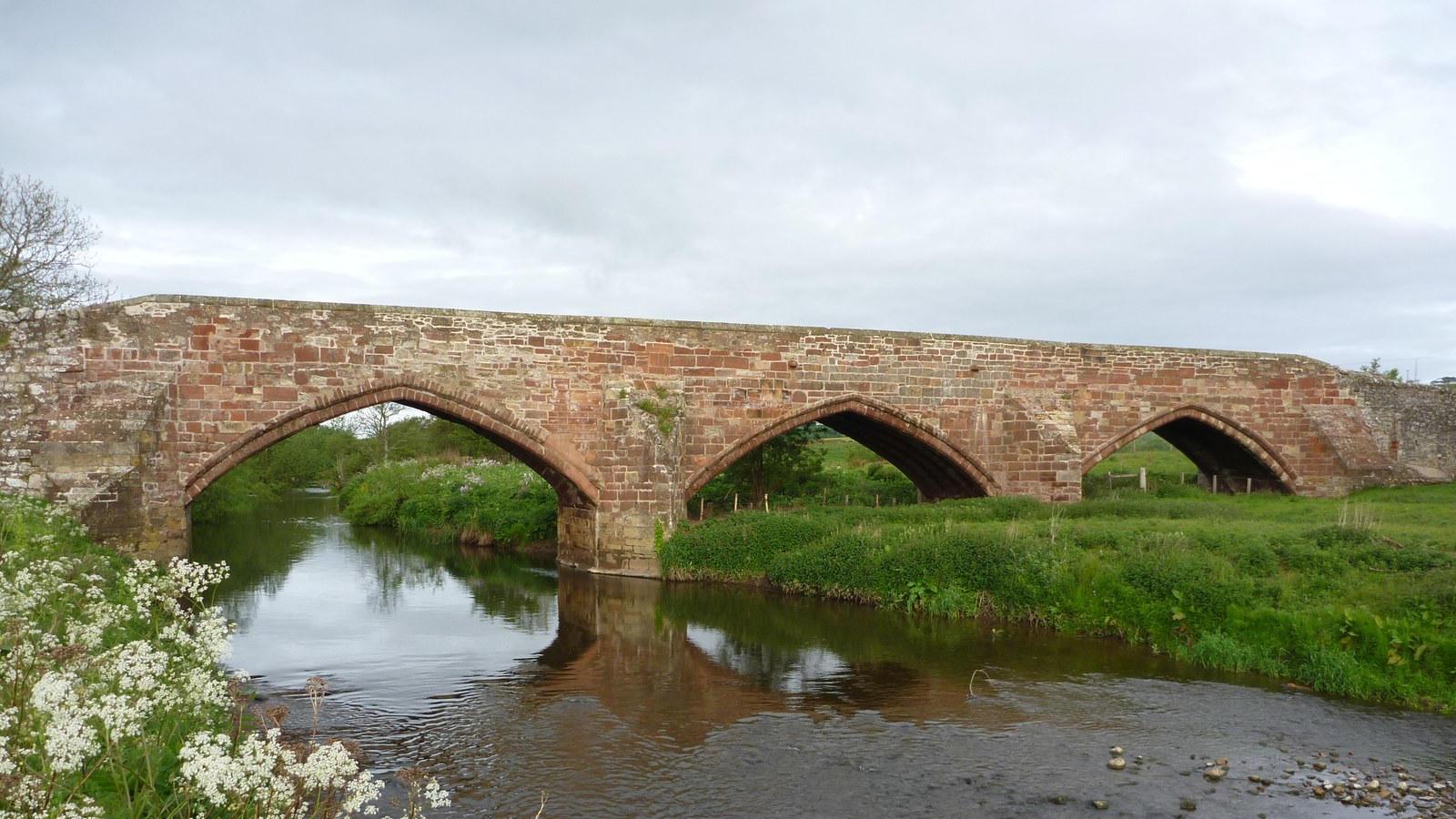
Image: Abbey Bridge near Haddington, 17 May 2011; Richard West, Geograph, CC BY-SA 2.0, Wikimedia Commons. Cropped to 16:9. The 1548 parliament sat at the Abbey of Haddington, now gone, by this bridge.
Source consulted: Treaty of Haddington. Treaty text: RPS: Legislation, treaty of Haddington, Abbey of Haddington, 7 July 1548.











0 Comments
No comments on this article yet. Be the first!