


In Hamburg, on 22 May 1762, Jean Jules de Hecht, privy councillor and Prussian minister resident in the Circle of Lower Saxony, and Adolph Frederic d’Olthof, councillor of the Regency in Pomerania, signed, after exchanging full powers, a treaty of peace, reconciliation and friendship between Frederick II of Prussia and King Adolf Frederick of Sweden, with the seals of their arms. The act is made in the name of the Most Holy Trinity. Ratifications are to be exchanged in Hamburg within four weeks, or sooner if possible.
The treaty is not the Russo-Prussian peace of Saint Petersburg of 5 May, which made it impossible for Sweden to continue the war, nor the armistice of Ribnitz of 7 April, nor the peace of Stockholm of 1720, which it renews, nor Hubertusburg of 1763.
Article 1 proclaims, by sea and by land, inviolable peace and constant friendship between the King of Prussia and the King and Crown of Sweden, their heirs, states and vassals: no hostility, secret or open, no aid, direct or indirect, to the enemies of the other party, no alliance contrary to this peace, with derogation from past engagements that would oppose it. Article 2 grants an amnesty and eternal oblivion of everything that passed in the war; no one shall be troubled on account of the avocatories published on either side.
Article 3 records that hostilities have already ceased by the armistice of Ribnitz. The King of Sweden undertakes to evacuate, within fifteen days of signature at latest, all Prussian states, towns, places and fortresses occupied by Swedish troops and to restore them, so that limits and possessions return to the footing they had before the war, in conformity with the peace of Stockholm of 1720, which is renewed as if inserted word for word. Sweden had asked for Usedom, Wollin and a closure of the Swine mouth; Prussia held to the status quo.
Article 4 restores free commerce by land and sea and all good neighbourhood of the subjects, as before the war. Article 5: while Prussia’s war with the Empress-Queen and other Powers still lasts, Sweden solemnly promises to take no further part against the King of Prussia, neither as guarantor of the Peace of Westphalia nor under any other pretext, and to observe exact neutrality; it reserves, in every other respect, the quality of guarantor of Westphalia, with the rights that depend on it.
Article 6 releases prisoners and hostages at once, without ransom. Contributions and exactions cease from the day of signature; anything exacted thereafter is to be restored. Prussia ratified on 29 May; King Adolf Frederick, at Stockholm, on 3 June.
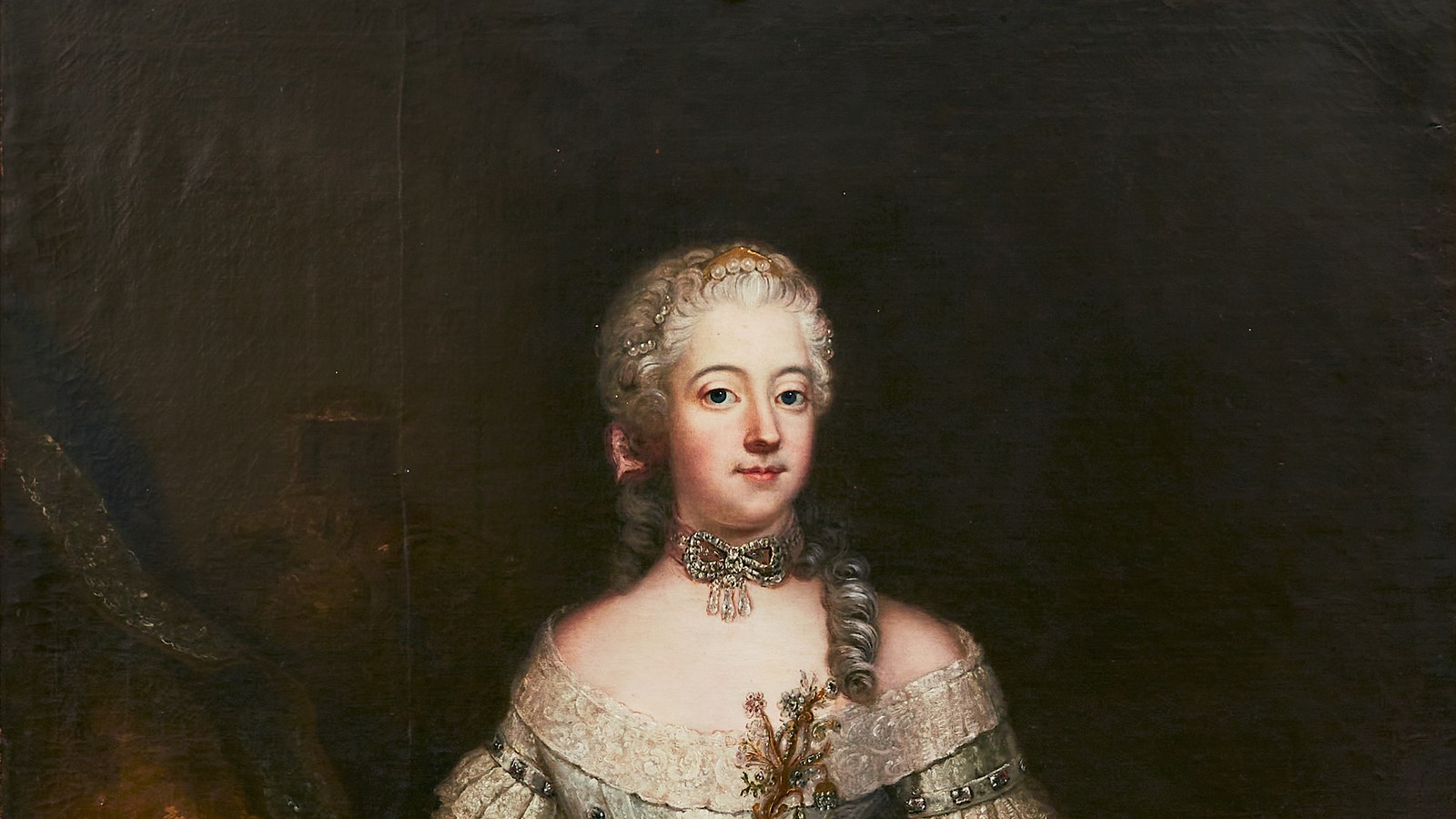
Luise Ulrike, Queen of Sweden and Frederick’s sister, mediated the settlement. The King of Prussia told the Senate in Stockholm that he consented only for her sake. The Pomeranian War thus ends without Swedish territorial gain. The Treaty of Hamburg is not the general peace of the Seven Years’ War.
Image: Luise Ulrike of Prussia, Queen of Sweden; Antoine Pesne, public domain, Wikimedia Commons. Cropped to 16:9.
Source consulted: Treaty of Hamburg (1762). Treaty text: Martens: Treaty of Hamburg, 22 May 1762.











0 Comments
No comments on this article yet. Be the first!