


On 24 July 1923, in the Palais de Rumine in Lausanne, the Treaty of Peace with Turkey was signed. The act replaced the Treaty of Sèvres of 1920, signed by the Ottoman Empire but rejected by the national movement in Ankara. The conference had opened on 20 November 1922 and lasted eight months, with interruptions.
The parties were the British Empire, France, Italy, Japan, Greece, Romania and the Serb-Croat-Slovene State, on one side, and Turkey, on the other. The original text is in English and French. For Ankara, İsmet İnönü negotiated; for the Allies, Lord Curzon; for Greece, Eleftherios Venizelos. The Armistice of Mudanya, in October 1922, had stopped the fighting after Greece’s defeat in Anatolia.
The treaty has 143 articles. Article 28 abolishes the capitulations, the regime of foreign privileges in the Empire. The Straits Convention regulated the Bosporus and the Dardanelles; it would be revised at Montreux in 1936. The independence and sovereignty of the Republic of Turkey, proclaimed in October, were recognised on these borders.
Turkey relinquished Cyprus, the Dodecanese, Syria, Iraq, Egypt and Sudan. The fate of Mosul was left to the League of Nations. In the Aegean, Turkish sovereignty stopped, as a rule, three miles from the shore; Imbros and Tenedos remained with Turkey, with a special administrative organisation revoked in 1926. Greece ceded Karaağaç in place of war reparations.
The convention of 30 January 1923, part of the Lausanne settlement, provided for a compulsory exchange of populations between Greece and Turkey. Excepted were the Greek Orthodox of Constantinople, Imbros and Tenedos and the Muslims of Western Thrace. A declaration of amnesty covered deeds from 1914 to 1922.
Turkey ratified on 23 August 1923; the other signatories, by 16 July 1924. The treaty entered into force on 6 August 1924. The World War I Document Archive at Brigham Young University keeps the text from the Carnegie Endowment volume The Treaties of Peace 1919–1923.
Sèvres had partitioned Anatolia; Lausanne cancelled that map. There was no Armenian or Kurdish state in the text. Romania, a contracting party, received confirmation over Adakale Island in the Danube, forgotten at Berlin in 1878 and covered by the waters of the Iron Gates in 1970.
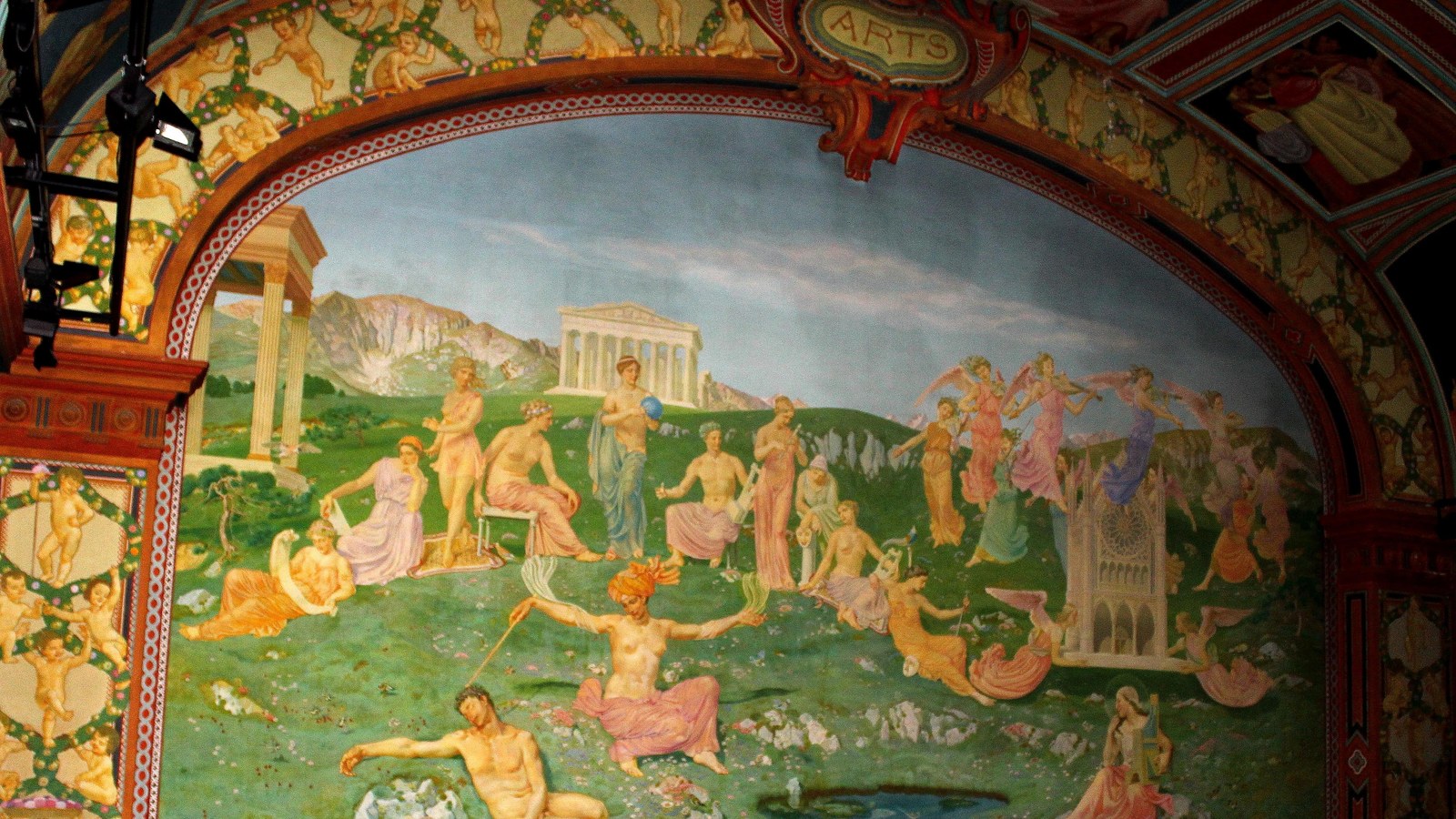
Image: Louis Rivier, aula of the Palais de Rumine, Lausanne, CC BY-SA 3.0, Wikimedia Commons. Cropped to 16:9.
Source consulted: Treaty of Lausanne. Treaty text: Treaty of Peace with Turkey Signed at Lausanne, July 24, 1923.











0 Comments
No comments on this article yet. Be the first!