


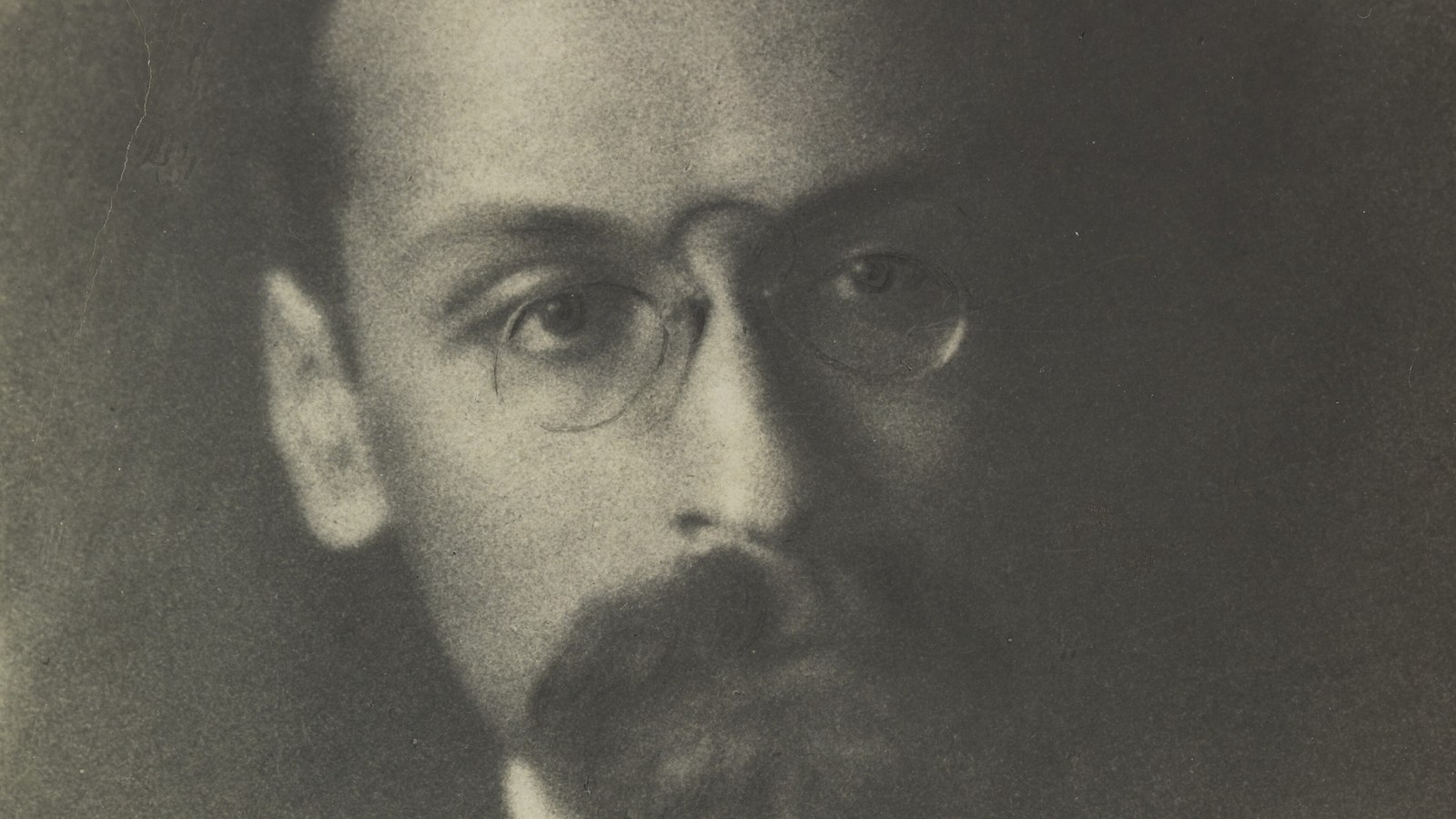
The Democratic Republic of Georgia, led by the Mensheviks, declared independence on 26 May 1918. Moscow did not recognise it de jure. After a failed Bolshevik coup in Tbilisi and a Red Army attempt to enter Georgia, in early May 1920, Lenin agreed to a treaty. Evgeni Gegechkori, foreign minister, saw the clauses as an infringement of sovereignty. Prime minister Noe Zhordania signed to obtain recognition. The treaty, sixteen articles, was signed on 7 May 1920, in Moscow. For the RSFSR: Lev Karakhan, deputy commissar for foreign affairs. For Georgia: Grigol Uratadze, member of the Constituent Assembly. Two copies. It enters into force on signature, without separate ratification.
Article I: Russia unreservedly recognises the independence and sovereignty of the Georgian State and voluntarily renounces all sovereign rights which had belonged to Russia with regard to the people and territory of Georgia. Article II: Russia undertakes to refrain from interference in Georgia’s affairs. Article III: the frontier, from the Black Sea along the Psou, across the mountains on the northern edge of the former Chernomorsk, Kutais and Tiflis provinces, to the Zakataly circuit and Armenia; the summits, neutral until 1 January 1922; a mixed commission for the line.
Article IV: Russia recognises as Georgia’s the Tiflis, Kutais and Batum governments, with the Zakataly and Sukhum districts, and any other part of the former Caucasus viceroyalty Georgia might acquire by treaty with her neighbours. Article V: Georgia disarms and intern units pretending to be the government of Russia or her allies, hands over war material, and does not let the territory become a base against Moscow. Russia, for her part, will not host groups pretending to be the government of Georgia.
Article X: Georgia exempts from punishment those who have worked in favour of the RSFSR or the Communist Party. Article XII: most-favoured-nation treatment, pending a commercial treaty. Article XIV: diplomatic and consular relations as soon as possible. The secret supplement, Article 1: Georgia pledges to recognise the Communist Party’s right of free existence and activity, including meetings and the press. The clause, in practice, undoes Article II.
Georgian public opinion, Oliver Wardrop reported, called the text “veiled subjection”. Still, the Allied Supreme Council recognised Georgia de jure on 11 January 1921. The peace lasted nine months. In February 1921 the Red Army occupied the country. This is not the 1921 Treaty of Moscow, with Turkey. The cover is Karakhan, the Russian plenipotentiary; Uratadze on Commons is too narrow.
Sources: Treaty of Moscow (1920); Treaty between the Democratic Republic of Georgia and the Russian Socialist Soviet Federative Republic, 7 May 1920.











0 Comments
No comments on this article yet. Be the first!