


The Treaty of Moscow between the Federal Republic of Germany and the USSR was signed in Moscow on 12 August 1970. The signatories were Willy Brandt and Walter Scheel for the FRG, and Alexei Kosygin and Andrei Gromyko for the Soviet Union. Five articles, in German and Russian, equally authentic. It is not the Warsaw Treaty with Poland of 7 December 1970, nor the Quadripartite Agreement on Berlin of 1971, nor the Basic Treaty with the GDR of 1972.
The preamble invokes the United Nations Charter, the Agreement of 13 September 1955 on the establishment of diplomatic relations, and the will to extend economic, scientific, technological and cultural cooperation. Article 1: maintaining international peace and achieving détente; promoting the normalisation of the situation in Europe on the basis of the actual situation existing in the region. Article 2: the Parties shall be guided by the purposes and principles of the Charter, shall settle their disputes exclusively by peaceful means and undertake to refrain from the threat or use of force, pursuant to Article 2 of the Charter.
Article 3: peace in Europe can be maintained only if no one encroaches upon the present frontiers. The Parties undertake to respect unconditionally the territorial integrity of all States in Europe within their present frontiers, declare that they have no territorial claims, and regard as inviolable the frontiers as they exist, including the Oder–Neisse line as the western frontier of Poland and the frontier between the FRG and the GDR.
Article 4: the Treaty shall not affect any bilateral or multilateral treaties or arrangements previously concluded by them. Article 5: ratification, and entry into force on the exchange of instruments in Bonn. On the occasion of signature the Federal Government handed the Soviet Foreign Ministry a letter stating that the Treaty does not conflict with the FRG’s political objective of working for a state of peace in Europe in which the German people regain their unity through free self-determination.
The instrument was a pillar of Brandt’s Ostpolitik. It recognised de facto the German division and the postwar borders; it was not a general peace treaty for the Second World War.
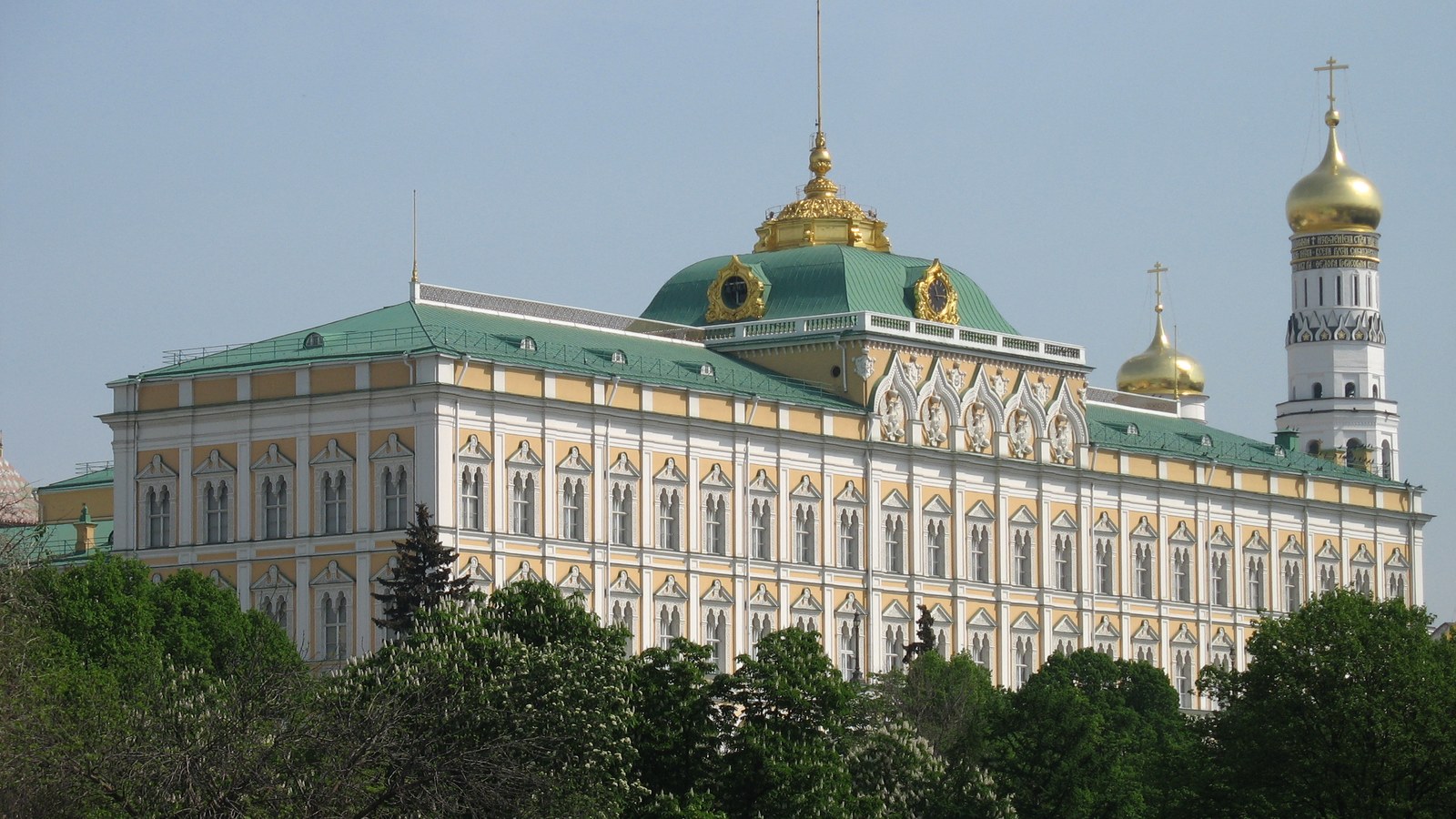
Cover: the Grand Kremlin Palace in Moscow, the state building in the years of signature; we do not claim the signing room. Wikimedia Commons, free licence.
Sources consulted: Treaty of Moscow (1970); The Moscow Treaty (German History in Documents and Images).











0 Comments
No comments on this article yet. Be the first!