


The African Nuclear-Weapon-Free Zone Treaty, known as the Treaty of Pelindaba, was opened for signature in Cairo on 11 April 1996. The text had been adopted by the Organization of African Unity at Pelindaba, near Pretoria, on 2 June 1995. Depositary: the Secretary-General of the OAU, now the African Union. Authentic texts: Arabic, English, French and Portuguese. It entered into force on 15 July 2009 upon deposit of the 28th instrument of ratification. Reservations are not permitted. Duration is unlimited.
The zone covers the African continent, island states members of the OAU and islands recognised by the organisation as part of Africa, with territory understood as land, internal waters, the territorial sea, airspace and the subsoil. Parties undertake not to research, manufacture, possess, test or station nuclear explosive devices in the zone, not to dump radioactive waste there and not to attack nuclear installations in the zone. Peaceful nuclear activities remain permitted under full-scope International Atomic Energy Agency safeguards. Dismantling and physical-protection procedures are not transcribed here as a handbook.
The treaty establishes the African Commission on Nuclear Energy (AFCONE), later seated in South Africa, as a compliance and regional cooperation mechanism for peaceful uses. Three protocols are open to nuclear-weapon states and, for Protocol III, to states with dependent territories in the zone: undertakings not to use or threaten use, not to test in the zone, and to apply certain provisions to dependent territories. The United States signed Protocols I and II without ratifying them at the time of opening; France, the United Kingdom, Russia and China have ratified. The status of Diego Garcia remains contested between the depositary and the administering powers.
The treaty is not Tlatelolco, not Rarotonga and not the 1968 Non-Proliferation Treaty, though it requires safeguards agreements of the kind associated with the last of these. The OAU first declared for a denuclearised Africa at its Cairo summit in July 1964. Egypt signed at the opening without ratifying; South Africa, which had dismantled its nuclear-weapons programme in the early 1990s, ratified on 27 March 1998.
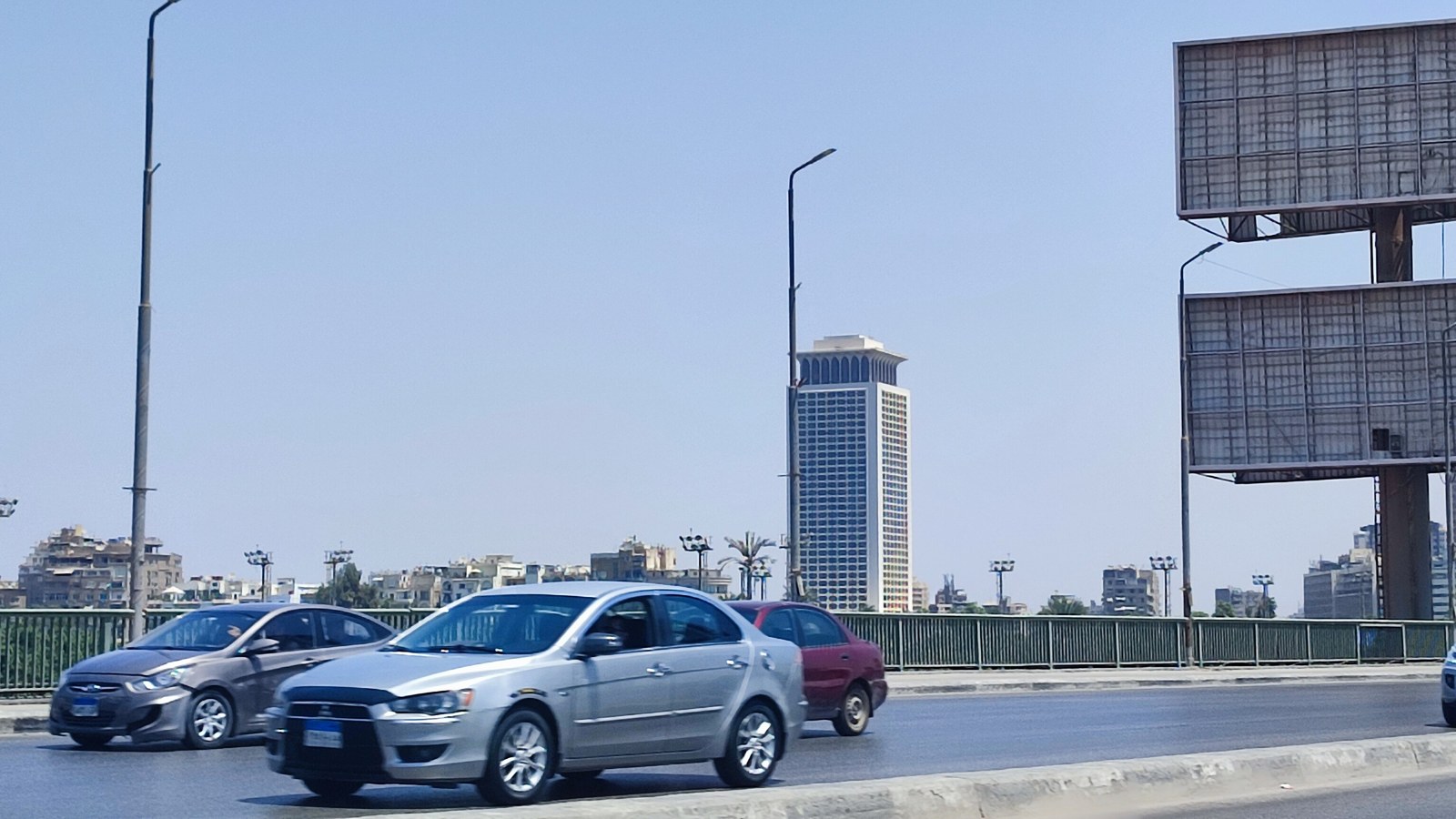
The register source, General Assembly resolution A/RES/60/49, is a later call for ratification, not the instrument. The official text is the one deposited with the African Union. Cover: Egypt's Ministry of Foreign Affairs in Cairo, the city of the opening for signature; no claim is made to the ceremonial hall. Wikimedia Commons, free licence.
Sources consulted: African Nuclear-Weapon-Free Zone Treaty; African Nuclear-Weapon-Free Zone Treaty (Pelindaba Treaty).











0 Comments
No comments on this article yet. Be the first!