


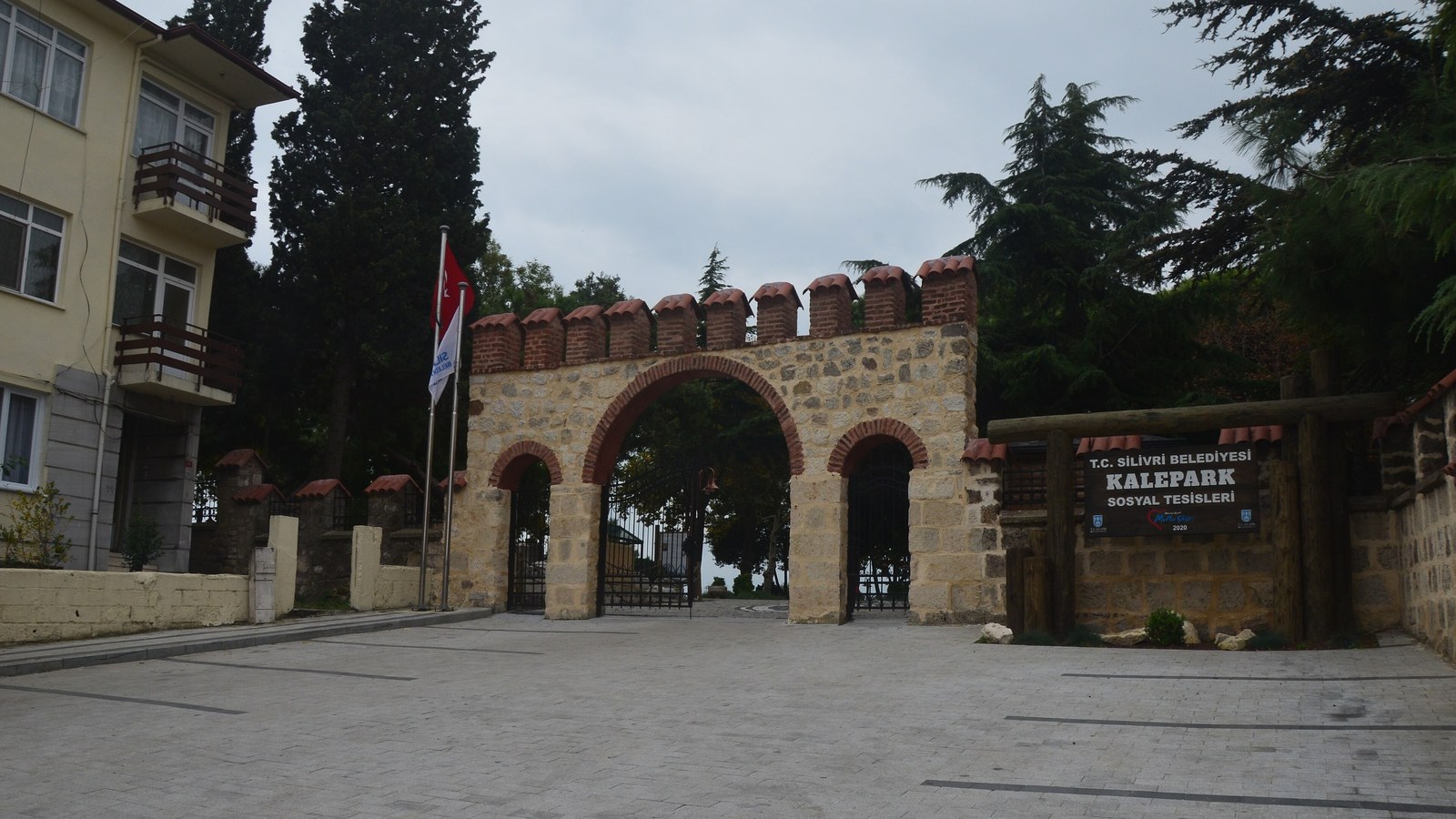
On 3 September 1411, at Selymbria (today Silivri) on the Sea of Marmara, the agreement between the Republic of Venice and the Ottoman prince Musa Çelebi, master of Rumelia, was ratified. Musa was besieging the town; the ambassador Giacomo Trevisan had already left, and the Captain of the Gulf, Pietro Loredan, signed in his place. A Venetian version of the text survives in the Serenissima’s archives.
After Musa overthrew his brother Süleyman, who had made the 1403 Treaty of Gallipoli with Venice, renewed in 1409, the Senate hesitated. A motion to seize Gallipoli failed. On 4 June Trevisan received detailed instructions: renew the peace, and open a Christian league with Manuel II Palaiologos only if the treaty failed.
Already by 7 June local Venetian agents, through the mediation of Pietro dei Greci, had a working accord: ships taken by Musa had been returned with their crews, though not the cargo. Trevisan reached the Ottoman camp in late July. The terms were arranged on 12 August before besieged Constantinople; disagreements deferred the seal until the siege moved to Selymbria.
Relations were to be peaceful, as under the treaties of 1403 and 1409. Venetian possessions, including recent acquisitions in Albania, were confirmed, against a tribute of a thousand ducats paid each August by the bailo at Constantinople. Lepanto was recognized only as the city with the houses and fields immediately adjoining it, for a hundred ducats.
For Patras the tribute remained five hundred ducats, but it was to be negotiated separately among Musa, the bailo and the Latin archbishop. This is not the Treaty of Gallipoli of 1403, not the 1409 renewal and not the settlement after Mehmed I defeated Musa in 1413. Musa, relying on the akinji, had resumed raids on Byzantium and Serbia that had stopped after 1403.
Trevisan’s instructions also asked for unmolested navigation at the Dardanelles and Tenedos, a five-mile strip on the shore opposite Negroponte, and the fate of the marquisate of Bodonitza; Kastritsis reads those as a mandate, not as articles shown in the Selymbria seal. If the treaty failed, Trevisan was to seek a one-year truce, then a league with Manuel II, keeping the purpose of his mission secret.
The walls at Silivri, the fortress of Selymbria under siege in the days of the ratification. Photograph: CeeGee, Wikimedia Commons, licence CC BY-SA 4.0.
For context: Treaty of Selymbria. The Venetian papers of 1411–1412, after N. Jorga: Σηλυβρία, 1411–1412.











0 Comments
No comments on this article yet. Be the first!