


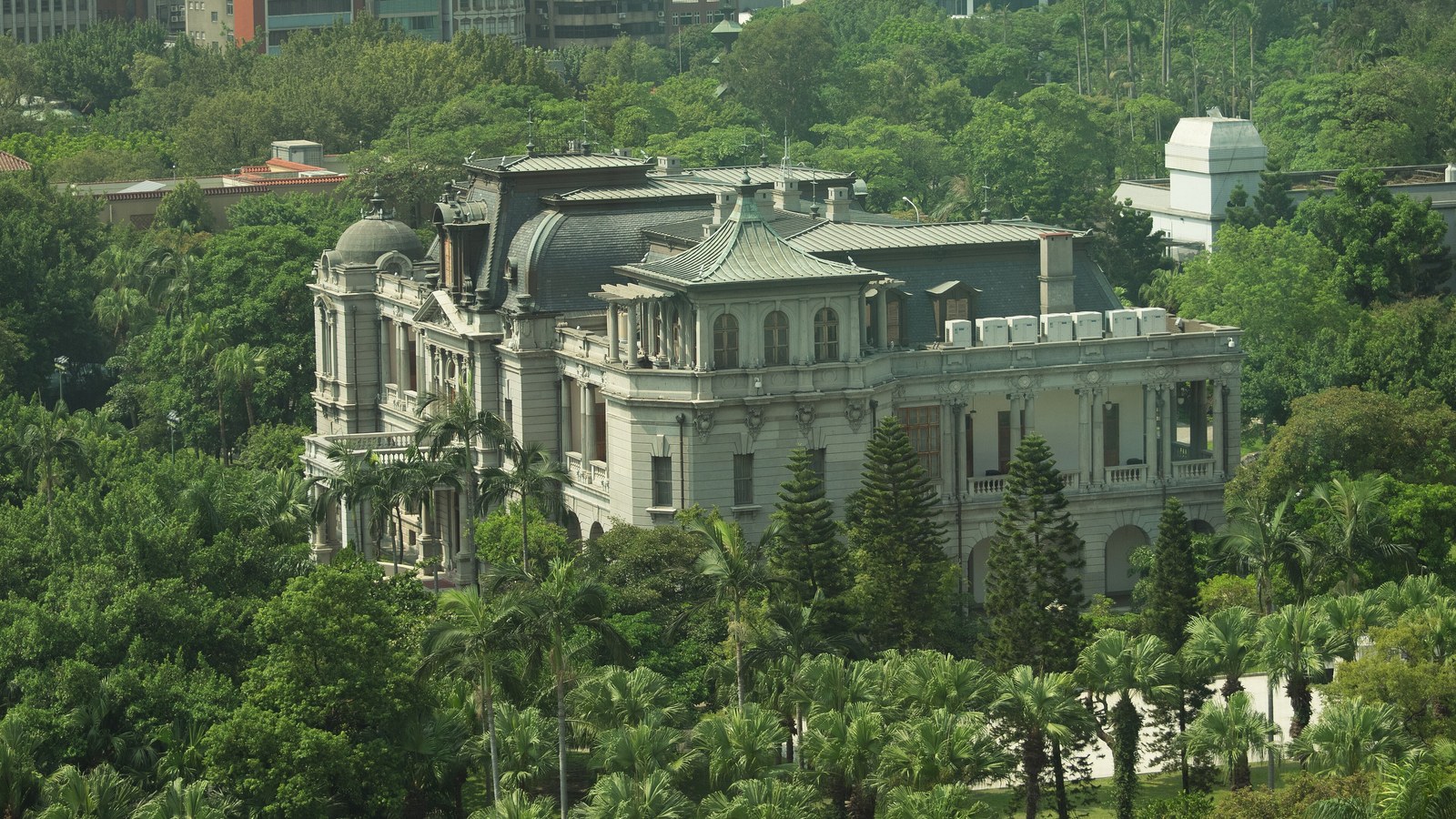
Neither the Republic of China nor the People’s Republic of China was invited to San Francisco: the Allies could not agree which was China’s government. The peace treaty with Japan, signed there on 8 September 1951, was ratified by Tokyo on the same day that, under United States pressure, a separate treaty was signed in Taipei. The Treaty of Peace between the Republic of China and Japan, fourteen articles, classical Chinese, Japanese and English, was signed on 28 April 1952, at the Taipei Guest House. For the Republic of China: Yeh Kung-chao, foreign minister. For Japan: Isao Kawada. In case of divergence, the English prevails.
Article I: the state of war ends from the day the treaty enters into force. Article II recognises that, under Article 2 of San Francisco, Japan has renounced all right, title and claim to Taiwan (Formosa) and Penghu (the Pescadores), as well as the Spratly Islands and the Paracel Islands. Article IV: all treaties, conventions and agreements concluded before 9 December 1941 between China and Japan have become null and void as a consequence of the war, including Shimonoseki.
Article V: Japan has also, under San Francisco, renounced the special rights from the Peking Protocol of 7 September 1901. Articles VII–IX call, as soon as possible, for agreements on trade and navigation, civil air transport and high-seas fisheries. Article X: for the purposes of this treaty, nationals of the Republic of China shall be deemed to include the inhabitants and former inhabitants of Taiwan and Penghu and their descendants, under the laws enforced there by the Republic of China.
The protocol: the Republic of China voluntarily waives, as a sign of goodwill, the services under Article 14(a)1 of San Francisco. Articles 11 and 18 of that treaty stay outside Article XI of Taipei. Exchange of notes No. 1: the terms shall, in respect of the Republic of China, apply to all the territories which are now, or which may hereafter be, under the control of its Government. The agreed minutes make “or” read as “and”.
Article XIII: ratification, instruments exchanged at Taipei as soon as possible; the treaty enters into force that day. The exchange, again at the Guest House, on 5 August 1952. China registered it with the United Nations on 25 September, series 138, No. 1858. After the 1972 joint communiqué with the People’s Republic, Japan treated the treaty as ended; the Tokyo High Court wrote, in 1980, that it had lost its significance. The cover is the Taipei Guest House, the place of signing; the table photograph is too small on Commons.
Sources: Treaty of Taipei; United Nations Treaty Series, No. 1858, Treaty of Peace between the Republic of China and Japan (Volume 138).











0 Comments
No comments on this article yet. Be the first!