


Afonso VI of Portugal and the States General of the United Provinces concluded at The Hague, on 6 August 1661, the Articles of Peace and Confederation: twenty-six articles, not a single cession. Portuguese plenipotentiary: Henrique de Sousa Tavares, Count of Miranda. Dutch deputies included Johan de Witt, Grand Pensionary of Holland; F. Cant; Christoffel Rodenburch; Van Glinstra; Mulart; J. Schuylenburgh. Latin text Articuli pacis et confoederationis; Dutch edition printed at The Hague by Hillebrandt van Wouw, 1663. Portuguese ratification, Lisbon, 24 May 1662; exchange of ratifications at the end of that year.
This is not the Taborda armistice of January 1654, signed after the Dutch garrison in Pernambuco surrendered: that was a provisional pact. After Guararapes (1648–1649) and the recovery of Angola, Lisbon already held the ground. Zeeland wanted New Holland back; De Witt preferred an indemnity and trade. The first Dutch demand, eight million guilders; Portugal refused to return the colony. Dutch fleets blockaded the Portuguese coast from 1657 to 1661, while the VOC took Ceylon and the Malabar Coast.
By the treaty, the United Provinces recognise Portuguese sovereignty over New Holland (Dutch Brazil) and Angola. The agreed indemnity, four million cruzados, often equated with eight million florins, over sixteen years. Article 25, on the WIC claims record: one million guilders from the salt revenues of Setúbal and Aveiro, administered by Dutchmen until the sum was paid, for the West India Company and private losers in Brazil.
Portugal recognises Dutch possession of Ceylon. The VOC, under Rijckloff van Goens, still took Cranganore, Cochin and Cannanore before the Asian ceasefire took effect in 1663. Lisbon used the delay as a pretext to postpone the indemnity, which the crown could not pay in full.
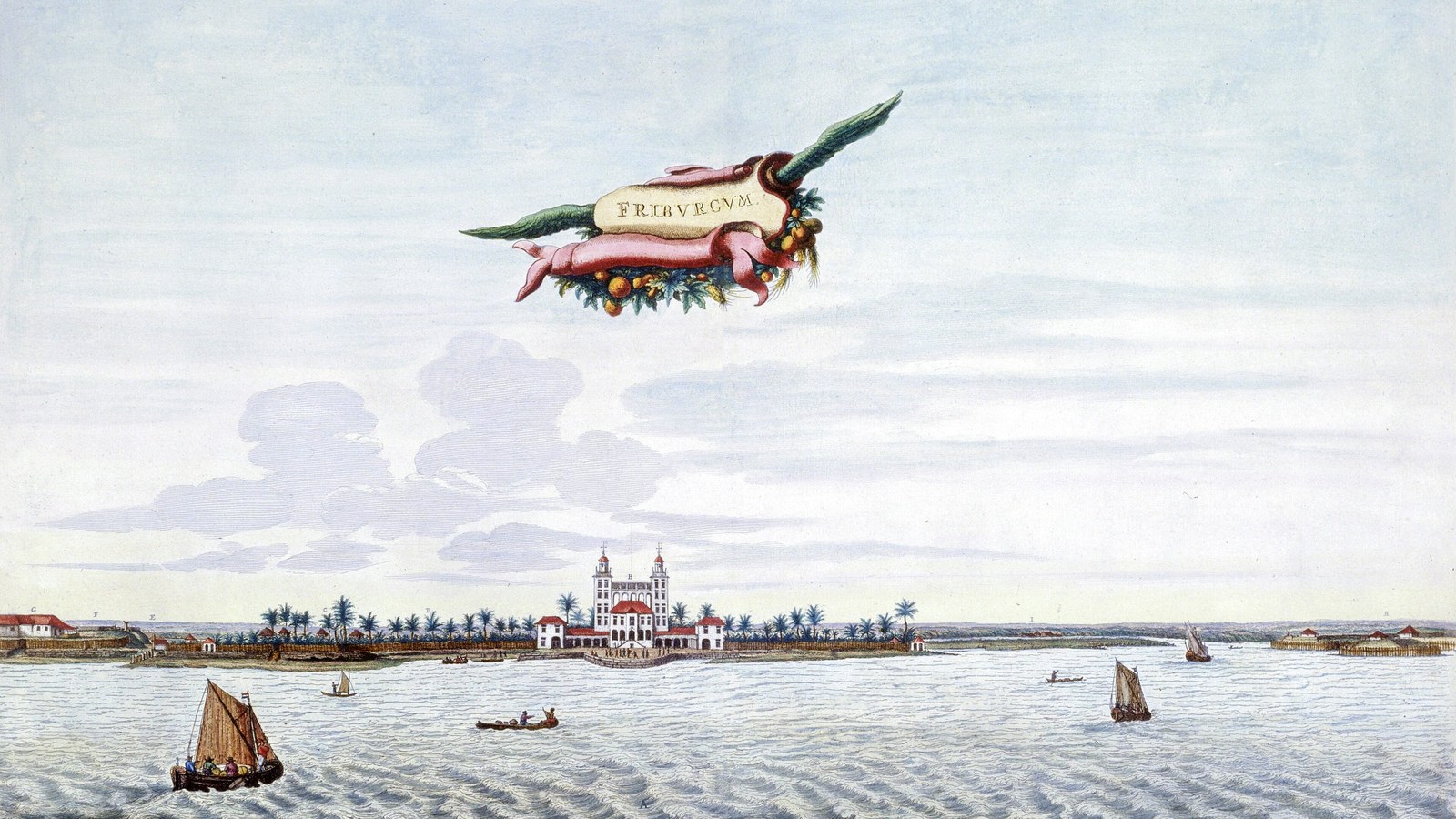
This is not the 1641 Treaty of The Hague (a ten-year truce, still in the Dutch–Portuguese war), not Charles II’s 1662 marriage to Catherine of Braganza, and not The Hague 1673, 1726 or 1795. The cover is Frans Post’s engraving of Recife (Friburgum), the capital of New Holland.
Sources: Treaty of The Hague (1661); Articulen van vrede en Confoederarie, Hillebrandt van Wouw, 1663.











0 Comments
No comments on this article yet. Be the first!