


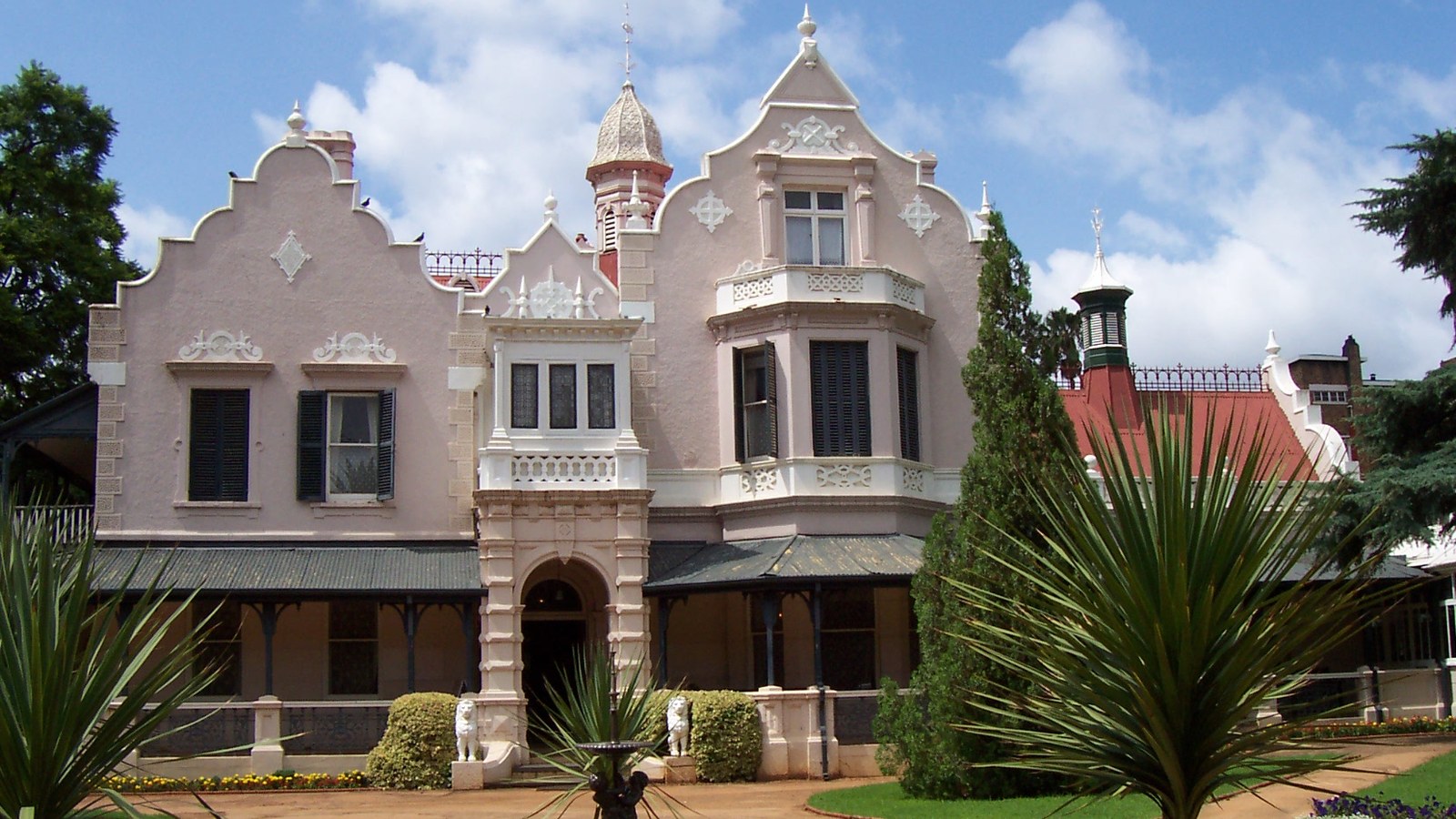
On 31 May 1902, at Melrose House in Pretoria, the Treaty of Vereeniging is signed — the peace ending the Second Boer War between the British Empire and the South African republics.
The Boers of the Transvaal and Orange Free State relinquish independence; British colonial rule takes over, with promises of later self-government and reconstruction aid. Dutch/Afrikaans remains admitted in schools and courts.
Negotiations followed the guerrilla campaign and Britain’s concentration-camp policy. Signatories include Lord Kitchener and Boer representatives, among them Louis Botha and Jan Smuts.
The peace opens the path to the Union of South Africa (1910). For the Boers, 31 May 1902 marks political defeat but also the basis of later Afrikaner nationalism.
The treaty is also known as the Peace of Vereeniging, though signing took place in Pretoria.
The official text appears in British diplomatic collections and South African archives.
The Treaty of Vereeniging of 31 May 1902 remains the act that closed the Second Boer War.
Image: Pretoria; Wikimedia Commons. Cropped to 16:9.
Source consulted: Treaty of Vereeniging. Treaty text: Peace Treaty of Vereeniging (SA History Online).











0 Comments
No comments on this article yet. Be the first!