


At Worms, Great Britain, Queen of Hungary Maria Theresa and King of Sardinia Charles Emmanuel III conclude the treaty of peace, union, friendship and mutual defence. The date of the instrument is 13 September 1743. It is not the Convention of Turin of February 1742, and it is not the Peace of Aix-la-Chapelle of 1748, which closes the War of the Austrian Succession.
John Carteret, secretary of state to George II, signs, with Ignaz Johann von Wasner for Maria Theresa and Chevalier Giuseppe Ossorio for Charles Emmanuel. The British king is at Worms after Dettingen. Thomas Robinson works, in parallel, in Vienna.
The parties defend one another; none makes peace or a truce without the others. Charles Emmanuel renounces his claims on the Duchy of Milan. Maria Theresa transfers to him the city and part of the Duchy of Piacenza, the Vigevanesco, part of the Duchy of Pavia and that part of the county of Anghiera west of Lake Maggiore, plus whatever rights she may have to the Marquisate of Finale.
Maria Theresa undertakes to keep 30,000 men in Italy, under Savoy’s command. Sardinia fields 45,000: 40,000 infantry and 5,000 cavalry. Britain keeps a fleet in the Mediterranean and pays Sardinia £200,000 a year, for as long as the war lasts, plus £300,000 for the cession of Finale.
Finale belonged in fact to Genoa: article 4 of the Quadruple Alliance of 2 August 1718 had guaranteed it to the Republic. The Treaty of Worms nonetheless passes the Austrian claim to Charles Emmanuel, as an outlet to the sea. Genoa is not a party.
A secret convention, concluded with the treaty but not formally ratified, provides an annual subsidy of £300,000 for Maria Theresa, for as long as the necessity of her affairs should require. The public text, in French and English in parallel columns, is printed in London by Edward Owen the same year.
The House of Commons receives the treaty on 9 January 1744. The Peace of Aix-la-Chapelle, in 1748, is made, in the main, on the status quo ante bellum: the Lombard slices promised at Worms do not, as such, remain Sardinia’s.
It is not Turin 1742 and it is not Aix-la-Chapelle. The signatures at Worms are Carteret’s, Wasner’s and Ossorio’s, on a text that calls itself definitive.
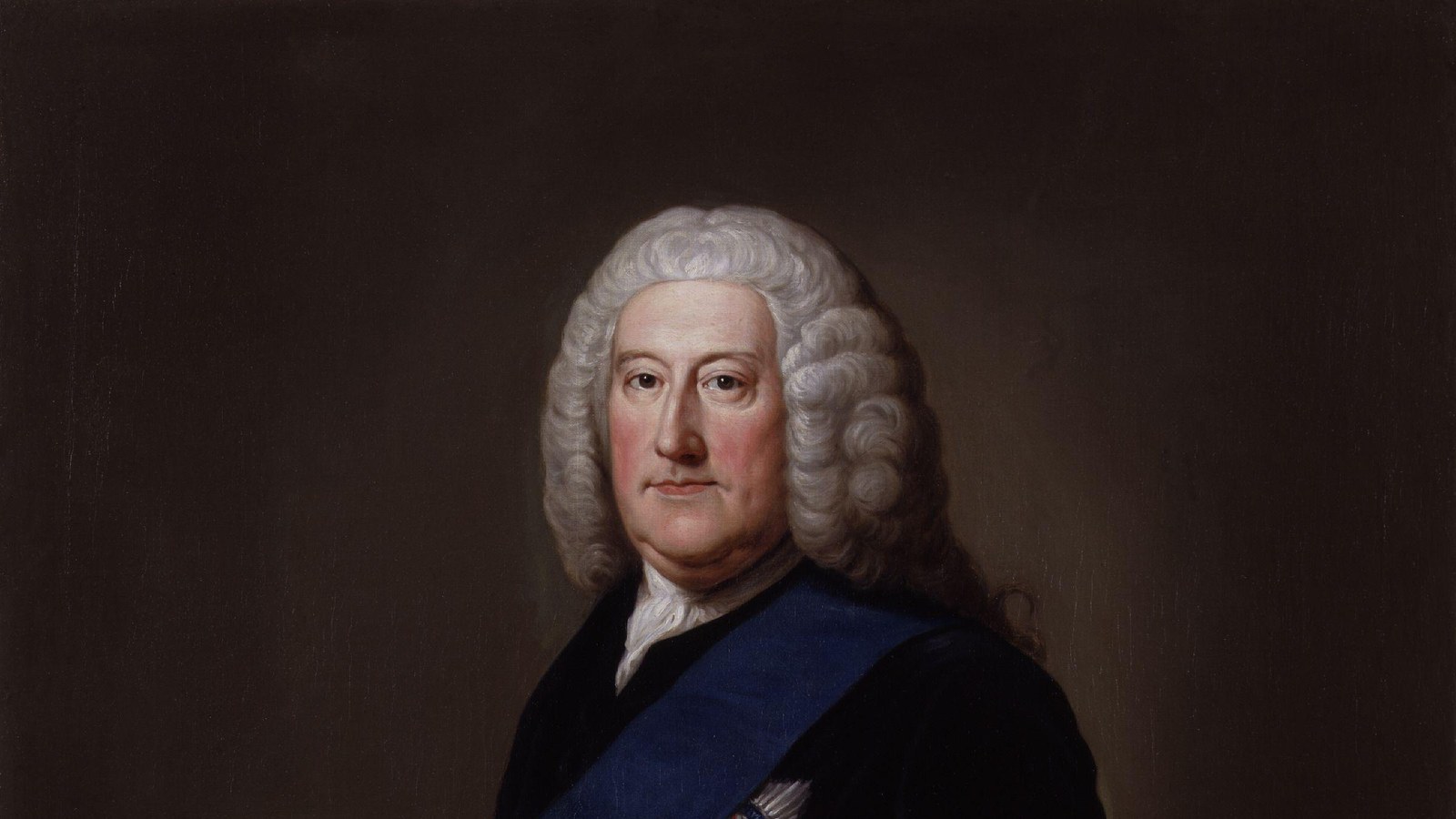
Image: John Carteret, 2nd Earl Granville; William Hoare, circa 1750–1752; public domain, Wikimedia Commons. Cropped to 16:9.
Source consulted: Treaty of Worms (1743). Treaty text: The Definitive Treaty concluded at Worms on the 2/13 of September, 1743 (London, Owen, 1743).











0 Comments
No comments on this article yet. Be the first!