


At York, Henry III of England and Alexander II of Scotland conclude a chirograph, in the presence of the papal legate Otto of Tonengo. The date of the instrument is 25 September 1237. It is not the Treaty of Falaise of 1174, and it is not the Treaty of York of 1464.
The Latin title: Scriptum cirographatum inter Henricum Regem Anglie et Alexandrum Regem Scocie de comitatu Northumbrie Cumbrie et Westmerland factum coram Ottone Legato. The act covers claims open up to the Friday before Michaelmas.
Alexander remits to Henry, for himself and his heirs, the counties of Northumberland, Cumberland and Westmorland. He also remits 15,000 marks of silver which John had taken from William, Alexander’s father, for agreements John did not keep. He frees Henry from the marriage conventions between Henry or his brother Richard and Alexander’s sisters — Margaret, Isabella and Marjory.
For this quitclaim, Henry grants Alexander two hundred librates of land in Northumberland and Cumberland, outside towns where castles stand. If they cannot be found there, they are made up in the nearest suitable places. The King of Scotland and his heirs, kings of Scotland, hold them of the King of England.
The annual render: one red falcon, at Carlisle, by the hand of the constable of the castle, on the Assumption of the Blessed Mary, for all services and demands. Alexander does homage and swears fealty for these lands — de praedictis terris — not for the kingdom of Scotland. The Scottish Steward sits in justice on certain issues; the King of Scotland is not answerable for them in an English court.
Earlier writings, if they do not conflict with this agreement, stand. Charters found concerning the three counties are restored to the King of England. Henry had told Otto of the meeting as early as 13 August.
It is not the Treaty of Perth of 1266, nor the peace of Edinburgh–Northampton of 1328. Berwick and the Debatable Lands are later adjustments, not clauses of this chirograph.
Alexander is the husband of Joan, Henry’s sister; Margaret, Alexander’s sister, had been the wife of Hubert de Burgh. The family ties do not replace the act. Matthew Paris’s chronicle puts hatred between the kings; the York text is a chirograph of claims, not a chronicle.
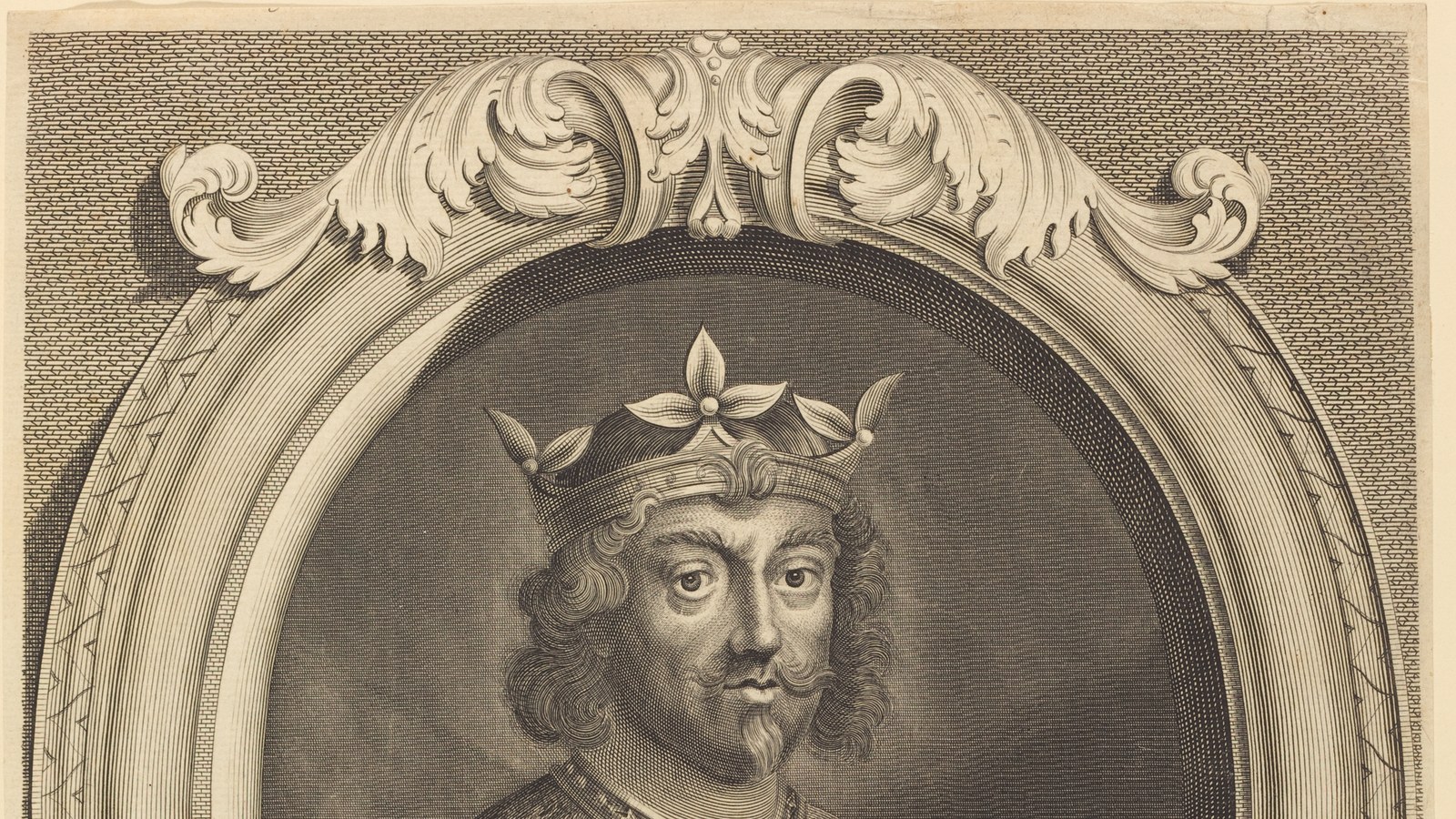
Image: King Henry III; Henry Roberts; CC0, National Gallery of Art / Wikimedia Commons. Cropped to 16:9.
Source consulted: Treaty of York. Treaty text: Wyckoff, Feudal Relations, 1897 (York chirograph, 25 September 1237; Foedera I, i, 233).











0 Comments
No comments on this article yet. Be the first!