


In Zaragoza, in the kingdom of Aragon, on 22 April 1529, before secretary Francisco de los Cobos, the plenipotentiaries of Charles V and Joanna — Mercurino Gattinara, grand chancellor; Fray García de Loaysa, bishop of Osma; Fray García de Padilla, commander of Calatrava — and the Portuguese ambassador António de Azevedo Coutinho concluded an asiento of sale with a compact of repurchase over the right, possession, navigation and trade of the Moluccas. Witnesses: Alonso de Valdés, Agustín de Urbina, Jerónimo Rancio, Fernán Rodríguez, António de Sousa and Alonso de Idiáquez. The emperor ratified at Lérida the next day; John III, at Lisbon, on 20 June 1530. It is not the asiento of 17 April, which was left unratified.
Article One sells to the King of Portugal, for him and for his crown, all Castilian right over Maluquo, the islands, places, lands and seas, for 350,000 gold ducats, each ducat at 375 maravedís in Castile. Payment: 150,000 at Lisbon within 15–20 days of the confirmed contract’s arrival; 20,000 at Valladolid and 10,000 at Seville by 20 May; 70,000 at the May fair of Medina del Campo; 100,000 at that town’s October fair. If the emperor wants the 100,000 already in May, he pays exchange of five or six per cent, as treasurer Hernand Álvarez is used to taking. The sale falls if Castile returns all the ducats, with nothing missing: each party then keeps the right it had before, as if the contract had not been made.
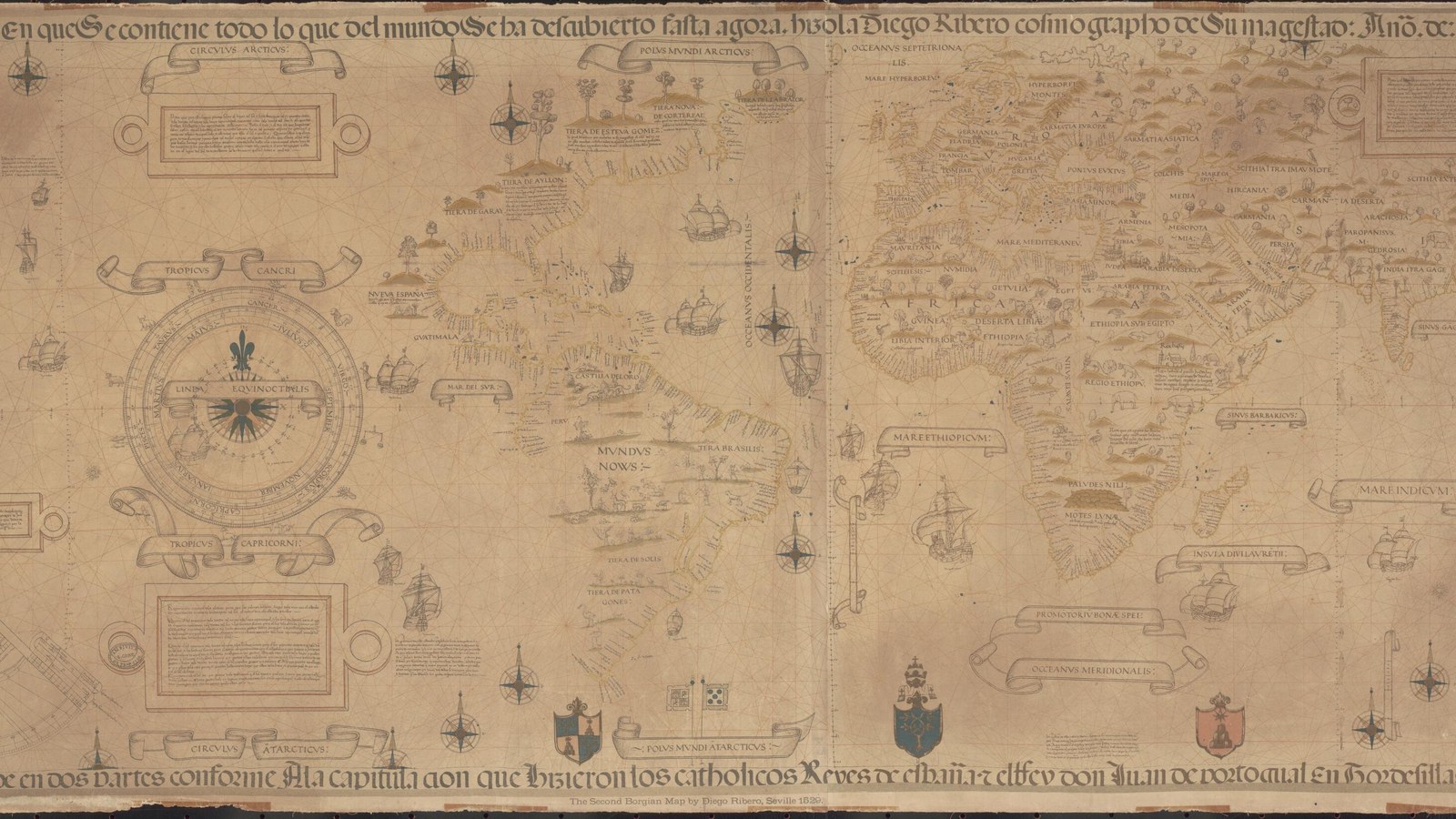
Article Two draws the line from pole to pole by a semicircle of nineteen degrees northeast by east from Maluquo, almost seventeen degrees on the equinoctial, 297 and a half leagues to the east, at 17.5 leagues per degree. On that meridian stand the islands of Las Velas and Santo Thomé. Within thirty days two persons from each side copy the padrón of the Casa de Contratación in Seville, draw the line, and sign and seal one chart each. The placing of the Moluccas on these charts remains conventional for the life of the contract, even if the true site lies farther east or west. Castile is to navigate thereafter by those charts.
Articles 5–7 forbid Castile’s ships and people, vassals or foreigners, to enter, navigate or trade inside the line; whoever crosses is treated as a privateer. Storm or ignorance draws no penalty, but once the line is known they must leave. Islands found by mistake inside remain Portugal’s. Castile may cross Portuguese seas toward India only as far as needed for a due course to the Strait of Magellan. If it sends new fleets, the compact of repurchase falls and the sale stands pure. Article 8 stops Portugal building a new fortress at Maluco, within twenty leagues of it or as far as the line; the fort already there may only be repaired. Article 10 orders Spanish captains in the islands to stop trading and return, with goods already loaded.
Article 13 leaves in force the capitulations of Ferdinand, Isabella and John II on the demarcation of the ocean sea, except where this contract changes them. If the price is repaid, Tordesillas returns entire. It is not the Treaty of Tordesillas of 7 June 1494, not the Junta of Badajoz–Elvas of 1524, and not the Treaty of Madrid of 1750. The Zaragoza signatories are not the emperor and the king in person: the instrument names Gattinara, Loaysa, Padilla, Coutinho and the notary Cobos.
Image: world map by Diogo Ribeiro, 1529; c. 1887 reproduction of the Casa de Contratación padrón, Museo de Propaganda Fide, Vatican; National Library of Australia; public domain, Wikimedia Commons. Cropped to 16:9.
Source consulted: Treaty of Zaragoza. Treaty text: Wikisource: The Philippine Islands, vol. 1, Treaty of Zaragoza.











0 Comments
No comments on this article yet. Be the first!