


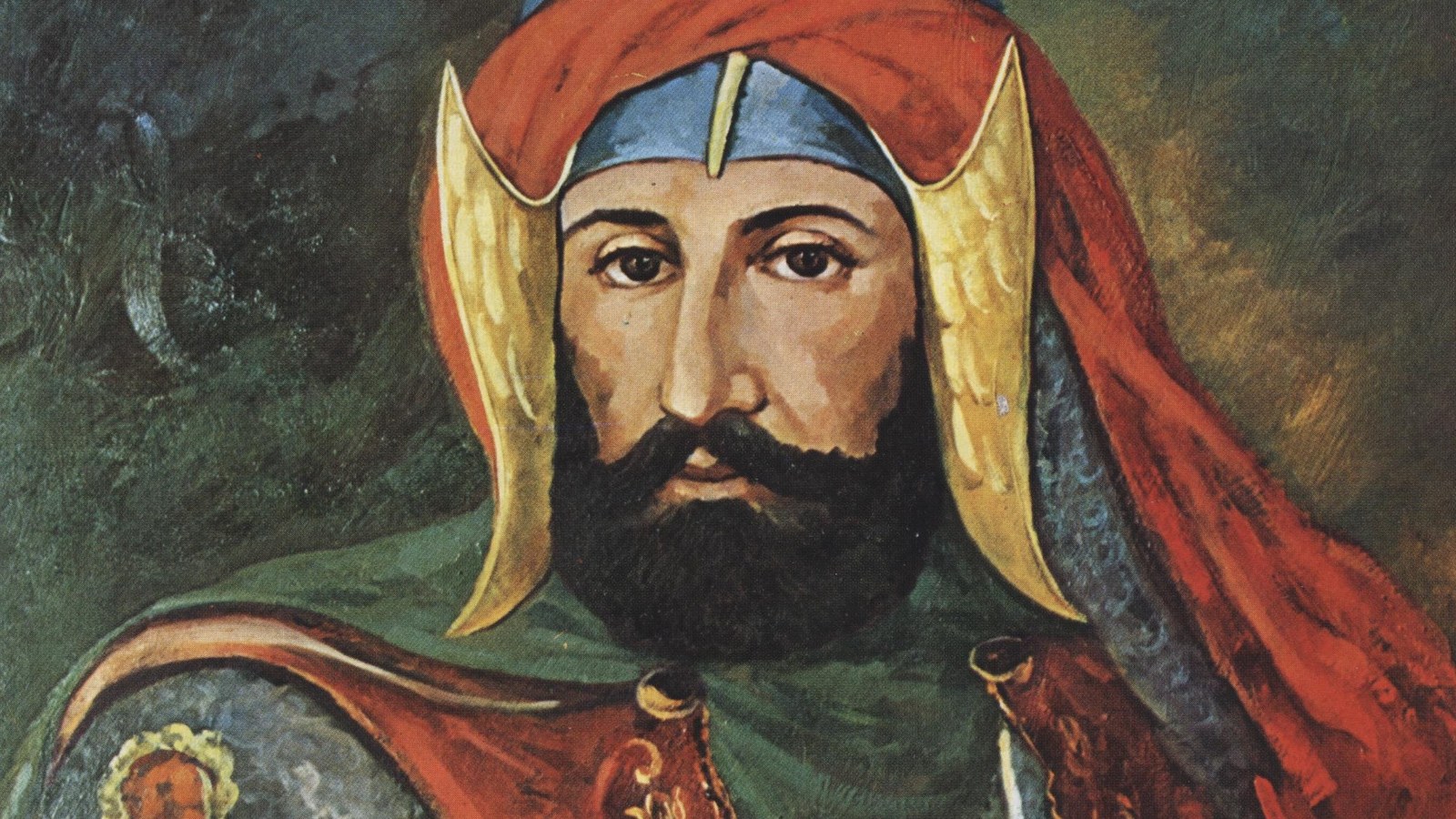
After Murad IV recaptured Baghdad, in December 1638, Shah Safi's Safavid army, under Rustam Khan, withdrew east of the Diyala, near Qasr-e Shirin. Grand vizier Kemankes Kara Mustafa Pasha crossed the river, refused a peace that would have given Kars to Iran, and advanced to the Zuhab plain. The instrument was signed on 17 May 1639, at Zuhab, near Qasr-e Shirin in western Iran. It closed the Ottoman-Safavid war of 1623-1639 and confirmed, in outline, the 1555 Peace of Amasya.
Murad had already left for Istanbul. On the Ottoman side the vizier signed. On the Safavid side: Saruhan, plenipotentiary, and Shemseddin Muhammed Kuli Khan, ambassador. The talks lasted three days, from 14 May. A copy went to Istanbul in July; the sultan's ratification came toward the end of November 1639. The bilateral original, archive tradition says, is lost; what remains is an Ottoman frontier letter sent to the shah.
Iraq-i Arab — Baghdad, Basra, Shahrizor — stayed Ottoman. Yerevan (Revan) stayed Safavid. In the Caucasus, eastern Armenia, eastern Georgia, Dagestan and Shirvan remained under Isfahan; western Georgia and most of western Armenia, under the Porte. Eastern Samtskhe passed wholly to the Ottomans. The fortresses of Zindjir, Kotur, Maku and Magazberd were to be razed; villages to the west to the sultan, those to the east to the shah.
The text required the Safavids not to molest Kars, Akhaltsikhe, Van, Shahrizor, Baghdad and Basra. The bargain opened the merchants' road: silk from New Julfa, through Baghdad toward Aleppo or through Mosul toward Diyarbekir. The border, vague in places, was taken up again in the treaties of Kerden (1746) and Erzurum (1823, 1847). Nineteenth-century commissions drew the line that, after 1918, became the limit between Iran, Turkey and Iraq.
This is not the Peace of Amasya and not Kerden. The cover is a portrait of Murad IV, the sultan who took Baghdad and in whose name the instrument was signed; Qasr-e Shirin on Commons is a modern palm, and the 1639 map is too small.
Sources: Treaty of Zuhab; Kasrışîrin Antlaşması.











0 Comments
No comments on this article yet. Be the first!