
Uganda has launched a nationwide programme to change how health workers respond to emergencies in which the first minutes can decide whether a patient survives. The Ministry of Health, with technical and financial support from the World Health Organization and partners, opened the Acute Care Transformation through Basic Emergency Care — ACTxBEC — initiative.
The programme is meant to improve rapid recognition, assessment and stabilisation of critically ill patients, and the systems that support that response. Over the next three years it is expected to reach 200 health facilities in 85 districts and about 2,400 healthcare providers. The stated aim is fewer avoidable deaths, not a result already recorded.
Why the first minutes matter
Health workers across Uganda regularly face very different emergencies. WHO cites children who cannot breathe properly because of severe pneumonia, women with postpartum haemorrhage, victims of road traffic crashes, severe asthma attacks and acute diabetic complications.
In many of these cases survival depends on triage, recognition of severe illness, stabilisation and referral. ACTxBEC is designed around that window.
More than half of recorded emergency cases were trauma-related
WHO says Uganda recorded 855.6 emergency cases per 100,000 population in the 2024/25 financial year. That figure is a population-based rate, not a national headcount of all emergencies. More than half of those cases were trauma-related.
Pneumonia remains a leading cause of death among children under five, and postpartum haemorrhage remains a major cause of maternal deaths. Road traffic injuries also kill thousands of people every year, WHO says.
How the programme works
ACTxBEC is not a one-off lecture. It combines self-paced online learning, hands-on training, team simulations, workplace drills, mentorship and continuous learning. Staff are trained to identify patients in danger quickly and to set treatment priorities, including triage, stabilisation and teamwork.
Participating facilities will have trained champions to run regular simulations, drills and mentoring so that skills do not fade after the first course. By 2028 Uganda aims to have the 200 participating facilities better equipped to deliver timely, safe and effective emergency care. Routine data and quality-improvement methods will be used to assess care and may later inform national emergency-care policy.
Previous Basic Emergency Care results
The Basic Emergency Care course was developed by WHO, the International Committee of the Red Cross (ICRC) and the International Federation for Emergency Medicine (IFEM). WHO says studies of earlier BEC implementation in Uganda and other low- and middle-income countries found reductions in hospital mortality ranging from 34% to 50%.
ACTxBEC is a new programme. Its impact in Uganda still has to be measured. The 34–50% range refers to studies of previous BEC implementations, not to a proven effect of the initiative launched now.
Four African countries
Uganda is one of four countries implementing ACTxBEC, alongside Ethiopia, Rwanda and Tanzania. The multi-country design is intended to generate comparable evidence on training, simulation, mentorship and continuous learning. Lessons from the four countries could later inform similar programmes elsewhere.
WHO also links stronger emergency care to health-system resilience: staff who can recognise a critical patient quickly can help in outbreaks, disasters, mass-casualty incidents and other public-health emergencies. The initiative is placed within Uganda’s wider effort towards universal health coverage.
Who is backing the programme
Implementation is led by Uganda’s Ministry of Health through a national coordination mechanism. WHO is providing technical support, oversight and implementation backing. WHO Foundation, the Laerdal Foundation, the African Federation for Emergency Medicine and the Emergency Care Association of Uganda are among the other partners involved.
WHO’s representative in Uganda, Dr Kasonde Mwinga, stressed at the launch that every day children, mothers and families reach situations in which survival depends on the quality of care in the first few minutes. Her point was that skills, systems and teamwork have to be built before the emergency, so that help exists where it is needed.
Through repeated simulation, mentorship and outcome data, Uganda will be able to see whether the model reduces mortality, shortens response times and identifies critical patients faster — and whether it should be scaled further.
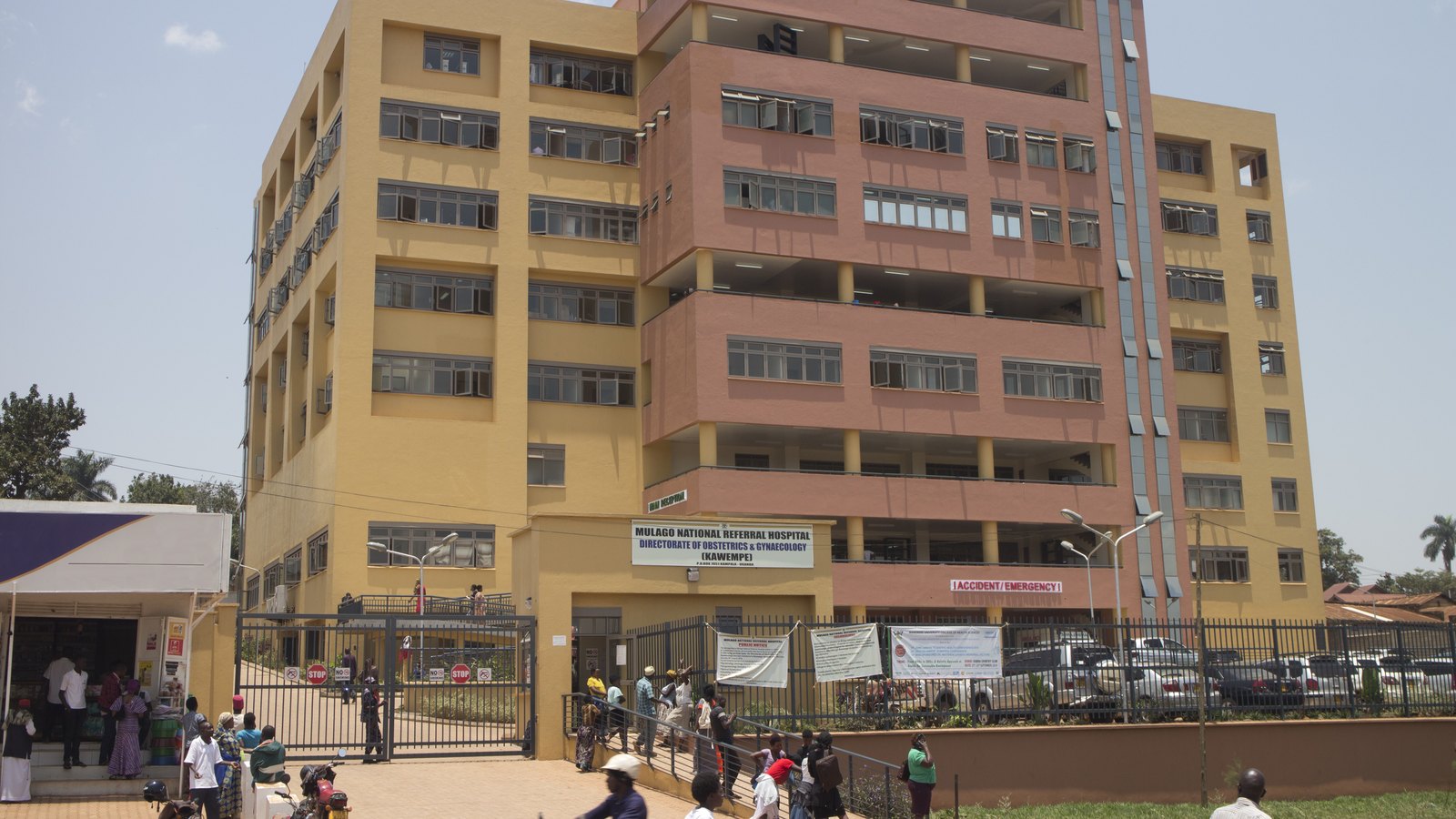
Photo: Kawempe General Hospital in Kampala, with the Accident / Emergency unit visible. Photograph from 2016, not from the ACTxBEC launch. Author: Thorkild Tylleskar, Wikimedia Commons, CC BY-SA 4.0.
Source consulted: Uganda launches new initiative to strengthen emergency care and save lives (WHO Regional Office for Africa).








0 Comments
No comments on this article yet. Be the first!