


UK energy secretary Miatta Fahnbulleh agreed on Wednesday, 21 October 2026, that the regulator could grant consent for gas production at the already licensed Jackdaw field in the North Sea. The North Sea Transition Authority said the same day that it had granted consent for the field development. That is a production consent on an existing licensed field, not a new exploration licence and not a decision on Rosebank.
Prime minister Andy Burnham welcomed the move. He said it would protect hundreds of jobs and help keep millions of homes warm this winter, that the government remained committed to renewable energy and to net zero by 2050, but that even on that path Britain would still need oil and gas for decades. That, he said, is why the government is taking a “pragmatic” approach to the North Sea.
Fahnbulleh assessed, among other points, that the project would not stop the UK meeting its legally binding carbon limits. The official release says Jackdaw gas could reach homes and businesses “from as early as the end of this month”; NSTA chief executive Stuart Payne said owners may produce after development work is completed. Neither sentence means gas was already flowing on Wednesday morning.
The government expects about a 6% rise in domestic gas production at peak, a lifespan of up to 11 years and an estimated £2.9 billion for the UK economy. Adura, the field’s owner, told The Independent the project could deliver around 6% of UK North Sea gas production. Those figures are projections, not output already measured.
On BBC Radio Scotland just after the announcement, Fahnbulleh said Jackdaw drilling would not bring bills down this winter. She said the test had been energy security, against a Middle East-driven energy crisis, and that it is “much better” to use home-produced gas than to import it. Fresh public consultations this year closed in August.
Rosebank, the North Sea’s largest untapped oil field, remains a separate file. Fahnbulleh said that decision would take “a bit longer”. Adura chief executive Neil McCulloch said attention now turns to Rosebank; that is the operator’s intent, not a government approval. Both fields received licences in June 2022 that Scottish courts later overturned.
Wednesday’s decision is presented as consistent with the 2024 pledge not to issue new exploration licences while managing already licensed fields for their full life. After the Supreme Court’s 2024 Finch ruling, the secretary also had to weigh the impact of burning the extracted gas in the environmental assessment.
Environmental groups called the approval “deeply disappointing”. Greenpeace UK’s Ami McCarthy spoke of 27 full-time jobs, not the hundreds in the government statement; those are two counts, not one. Oxfam Scotland’s Katherine May said the prime minister had folded at the first sign of industry pressure. The same day the chancellor announced an Energy Wealth Fund, with an initial £2 billion from North Sea revenues; the announcement is not the transfer of the money.
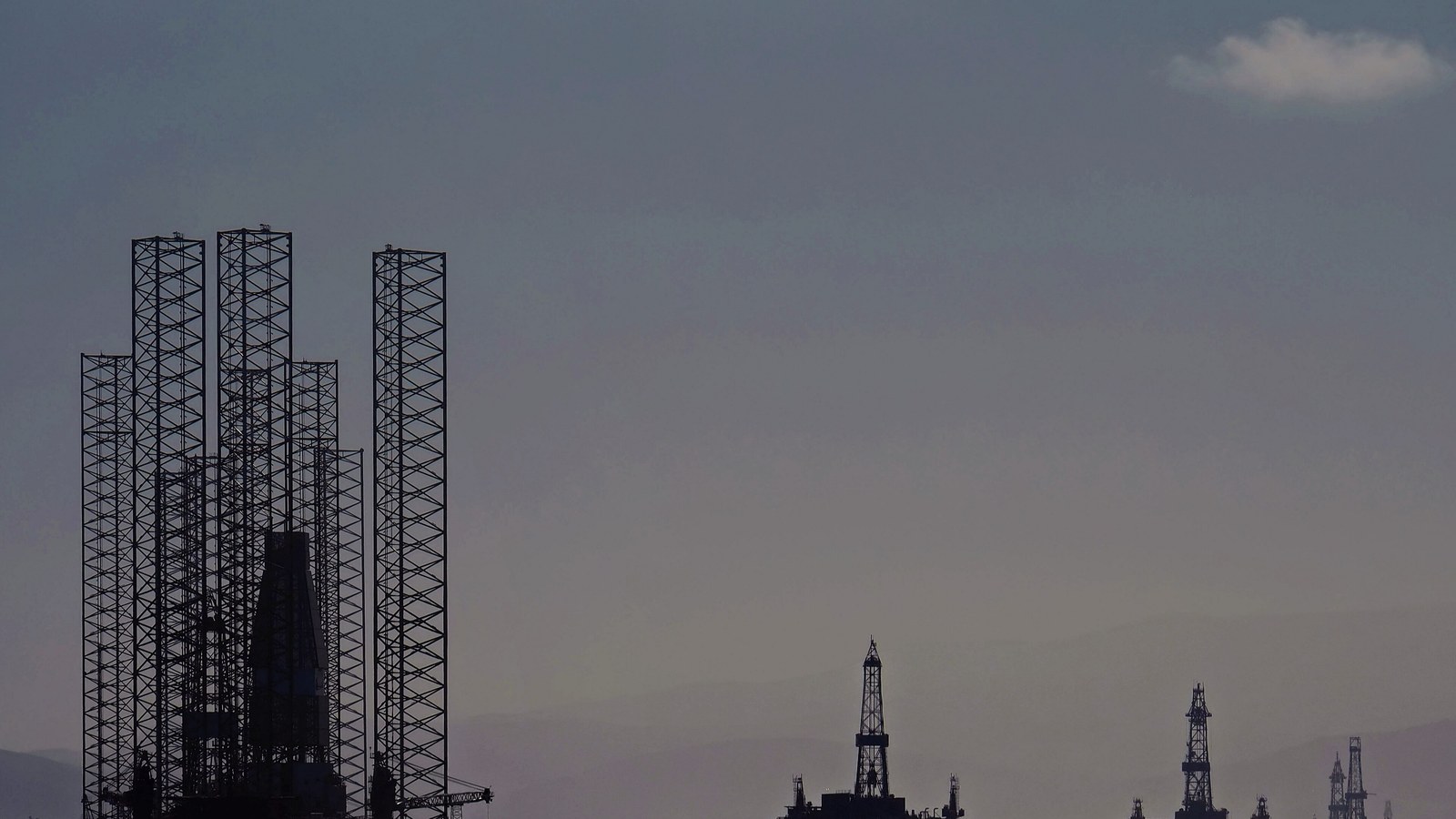
Image: oil platforms in the Cromarty Firth near Invergordon, Scotland, 5 June 2018, joiseyshowaa, CC BY-SA 2.0, Wikimedia Commons. Platforms in the firth, not the Jackdaw field on approval day.
Sources consulted: Government approves drilling in Jackdaw gas field in North Sea — The Independent; Jackdaw gas field gets green light — GOV.UK.











0 Comments
No comments on this article yet. Be the first!