


The 1961 Single Convention had covered opium, coca and cannabis. The synthetic substances that spread in the 1960s — LSD, amphetamines, barbiturates — stayed outside those schedules. The Economic and Social Council, by resolution 1474 (XLVIII) of 24 March 1970, called a conference of plenipotentiaries. The Commission on Narcotic Drugs prepared a draft protocol. The General Assembly had already asked for international control of psychotropics not yet regulated.
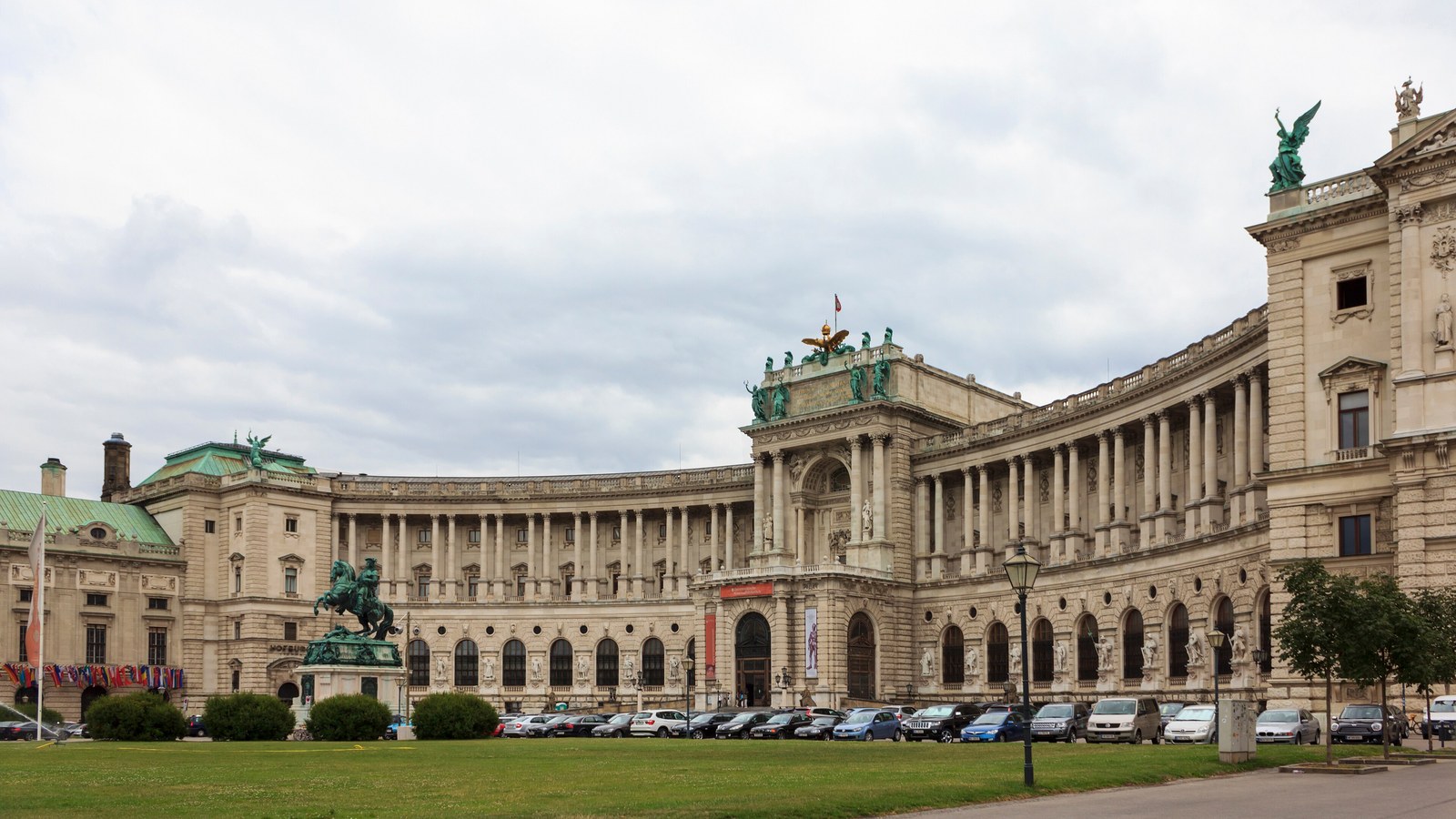
The United Nations Conference for the Adoption of a Protocol on Psychotropic Substances met in Vienna, in the Hofburg Congress Centre, from 11 January to 21 February 1971. Seventy-one states sent delegates; Czechoslovakia, Romania, the Republic of Vietnam and Uruguay observed. WHO, the International Narcotics Control Board and Interpol were present. The president was E. Nettel of Austria. The executive secretary was V. Kusevic. On opening day the Secretary-General was represented by V. Winspeare-Guicciardi.
The states split. Countries with strong pharmaceutical industries wanted weaker rules than those of the Single Convention. Plant-producing states, which had borne the 1961 restrictions, pressed for a hard regime on synthetics. The text that emerged was milder than the New York model: no mandatory production estimates, four schedules instead of a single ban. The draft called a protocol became a convention.
The Final Act and the Convention were signed on 21 February 1971, in Vienna, in a single copy in Chinese, English, French, Russian and Spanish, each equally authentic, deposited with the Secretary-General. Thirty-four states signed. Article 26 required forty ratifications; the treaty entered into force on 16 August 1976, the ninetieth day after that threshold. The United Nations Treaty Series records it as No. 14956, volume 1019. There are now 184 parties, including the Holy See and Palestine.
Schedule I covers substances whose therapeutic value the Commission does not currently recognise: LSD, MDA, MDMA, certain tryptamines. International trade is reserved to government authorities, with both export and import authorisation. Schedule II includes amphetamine and methylphenidate. Schedule III, fast-acting barbiturates and flunitrazepam. Schedule IV, weaker hypnotics and anxiolytic benzodiazepines. WHO makes the medical assessment; the Commission on Narcotic Drugs decides listing, also weighing economic and administrative factors.
The preamble recognises that medical and scientific use is indispensable and that availability should not be unduly restricted. Article 7 reserves Schedule I to research and very limited medical use in government-controlled establishments. Adolf Lande’s Commentary, published in 1976 by the UN Office of Legal Affairs, explains why alcohol and tobacco were left out: they do not fit the Convention’s administrative regime. The treaty is not self-executing; each party must write domestic penalties. In 1970 the United States enacted the Controlled Substances Act; in 1971 the United Kingdom passed the Misuse of Drugs Act.
The 1988 Convention against illicit traffic completed the two instruments, with precursors, money-laundering and related offences. The three texts form the present international drug-control framework. The official 1971 conference text, with the Final Act, resolutions and schedules, is published by UNODC.
Sources: Convention on Psychotropic Substances; UNODC, Convention on Psychotropic Substances, 1971.











0 Comments
No comments on this article yet. Be the first!