


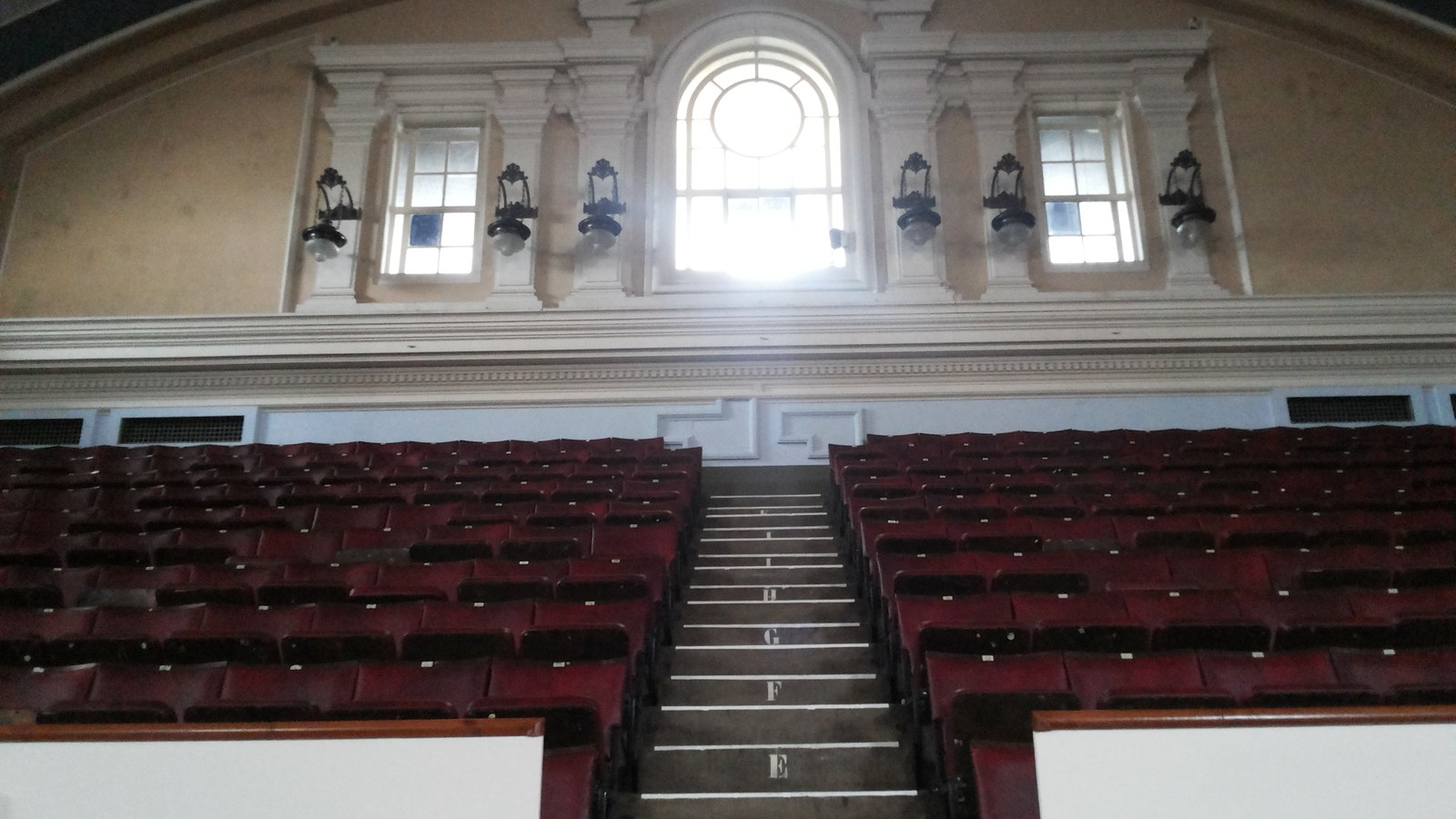
On 13 February 1946, at the 31st plenary meeting of the first session of the General Assembly, held at Methodist Central Hall in London, resolution 22(I)A was adopted without a vote: the Assembly approved the annexed convention on the privileges and immunities of the United Nations and proposed it for accession by each Member. It is not a signature. The Wikipedia infobox puts “Signed” and New York; UNTC heads the depositary as New York, but the meeting place is London. Working texts: English and French. Depositary: the Secretary-General. The Convention on the Privileges and Immunities of the Specialized Agencies, of 21 November 1947, is a distinct instrument.
Final Article, section 31: the convention is submitted to every Member for accession. Section 32: accession by deposit of an instrument; it comes into force for that Member on the date of deposit. UNTC: first, 17 September 1946, by the accession of the United Kingdom; registration UNTS No. 4, volume 1, 14 December 1946. Section 35: it continues in force while the Member remains a Member, or until a revised general convention. Section 36: supplementary agreements by the Secretary-General, subject to the Assembly. Reservations are common; we do not catalogue them.
The preamble invokes Articles 104 and 105 of the Charter — legal capacity and such privileges as are necessary for the functions, not a general diplomatic status. Article I: juridical personality; capacity to contract, to acquire property and to institute legal proceedings. Article II: immunity from legal process except insofar as it has been expressly waived; no waiver shall extend to execution. Premises shall be inviolable; property immune from search, requisition, confiscation. This is not a handbook for evading the law.
Article II, sections 5 to 8: freedom to hold and transfer funds, with due regard to representations by governments; exemption from direct taxes and from customs duties for official use, not from charges for public utility services. Article III: official communications treated no less favourably than those of diplomatic missions. Article VII: United Nations laissez-passer, recognised as a travel document; visas, where required, shall be dealt with as speedily as possible. We do not describe border procedures.
Articles IV to VI: functional immunity of representatives to organs, of officials and of experts on mission — for acts performed in their official capacity. The Secretary-General may waive the immunity of officials; the Security Council, his own. Article VIII, section 29: the United Nations shall provide for modes of settlement of private-law disputes. Section 30: disputes of interpretation may go to the International Court of Justice. This is not a handbook for invoking immunity.
Resolution 22(I)B, the same day, is a draft for discussion with the United States authorities on the seat in the United States — not this convention. The Headquarters Agreement of 1947 remains later. Spaak presided over the Assembly; Trygve Lie was Secretary-General.
Cover: Methodist Central Hall in Westminster, the hall of the first session — the photograph is of the building, not the rostrum. Wikimedia Commons, free licence.
For context: Convention on the Privileges and Immunities of the United Nations. The text: Convention on the Privileges and Immunities of the United Nations (UNTS No. 4).











0 Comments
No comments on this article yet. Be the first!